Recombinant Human T-cell surface glycoprotein CD1c (CD1C), partial
-
中文名稱(chēng):Recombinant Human T-cell surface glycoprotein CD1c(CD1C),partial
-
貨號(hào):CSB-BP004891HU
-
規(guī)格:
-
來(lái)源:Baculovirus
-
其他:
-
中文名稱(chēng):Recombinant Human T-cell surface glycoprotein CD1c(CD1C),partial
-
貨號(hào):CSB-EP004891HU-B
-
規(guī)格:
-
來(lái)源:E.coli
-
共軛:Avi-tag Biotinylated
E. coli biotin ligase (BirA) is highly specific in covalently attaching biotin to the 15 amino acid AviTag peptide. This recombinant protein was biotinylated in vivo by AviTag-BirA technology, which method is BriA catalyzes amide linkage between the biotin and the specific lysine of the AviTag.
-
其他:
-
中文名稱(chēng):Recombinant Human T-cell surface glycoprotein CD1c(CD1C),partial
-
貨號(hào):CSB-MP004891HU
-
規(guī)格:
-
來(lái)源:Mammalian cell
-
其他:
產(chǎn)品詳情
-
純度:Greater than 85% as determined by SDS-PAGE.
-
基因名:Name:CD1C
-
Uniprot No.:
-
別名:BDCA1; CD1; CD1A; CD1c; CD1c antigen; CD1C antigen c polypeptide; CD1c molecule; CD1C_HUMAN; Cortical thymocyte antigen CD1C; Differentiation antigen CD1 alpha 3; R7; T cell surface glycoprotein CD1c; T-cell surface glycoprotein CD1c
-
種屬:Homo sapiens (Human)
-
蛋白長(zhǎng)度:Partial
-
表達(dá)區(qū)域:18-302
-
氨基酸序列NAD ASQEHVSFHV IQIFSFVNQS WARGQGSGWL DELQTHGWDS ESGTIIFLHN WSKGNFSNEE LSDLELLFRF YLFGLTREIQ DHASQDYSKY PFEVQVKAGC ELHSGKSPEG FFQVAFNGLD LLSFQNTTWV PSPGCGSLAQ SVCHLLNHQY EGVTETVYNL IRSTCPRFLL GLLDAGKMYV HRQVRPEAWL SSRPSLGSGQ LLLVCHASGF YPKPVWVTWM RNEQEQLGTK HGDILPNADG TWYLQVILEV ASEEPAGLSC RVRHSSLGGQ DIILYWGHHF SM
-
蛋白標(biāo)簽:Tag?type?will?be?determined?during?the?manufacturing?process.
The tag type will be determined during production process. If you have specified tag type, please tell us and we will develop the specified tag preferentially. -
產(chǎn)品提供形式:Lyophilized powder
Note: We will preferentially ship the format that we have in stock, however, if you have any special requirement for the format, please remark your requirement when placing the order, we will prepare according to your demand. -
復(fù)溶:We recommend that this vial be briefly centrifuged prior to opening to bring the contents to the bottom. Please reconstitute protein in deionized sterile water to a concentration of 0.1-1.0 mg/mL.We recommend to add 5-50% of glycerol (final concentration) and aliquot for long-term storage at -20℃/-80℃. Our default final concentration of glycerol is 50%. Customers could use it as reference.
-
儲(chǔ)存條件:Store at -20°C/-80°C upon receipt, aliquoting is necessary for mutiple use. Avoid repeated freeze-thaw cycles.
-
保質(zhì)期:The shelf life is related to many factors, storage state, buffer ingredients, storage temperature and the stability of the protein itself.
Generally, the shelf life of liquid form is 6 months at -20°C/-80°C. The shelf life of lyophilized form is 12 months at -20°C/-80°C. -
貨期:Delivery time may differ from different purchasing way or location, please kindly consult your local distributors for specific delivery time.Note: All of our proteins are default shipped with normal blue ice packs, if you request to ship with dry ice, please communicate with us in advance and extra fees will be charged.
-
注意事項(xiàng):Repeated freezing and thawing is not recommended. Store working aliquots at 4°C for up to one week.
-
Datasheet :Please contact us to get it.
產(chǎn)品評(píng)價(jià)

相關(guān)產(chǎn)品
靶點(diǎn)詳情
-
功能:Antigen-presenting protein that binds self and non-self lipid and glycolipid antigens and presents them to T-cell receptors on natural killer T-cells.
-
基因功能參考文獻(xiàn):
- these results demonstrated the mechanism that suppression of CD1c by BCG infection is mediated by miR-381-3p PMID: 27296666
- We found a significant difference in the density of intraepidermal CD1c+ cells between the examined lesions; the mean CD1c cell count was 7.00/mm(2) for invasive melanomas, 2.94 for in situ melanomas, and 13.35 for dysplastic nevi PMID: 28331853
- Stressed beta-cells have little effect on human BDCA1-expressed dendritic cells activation and function, while enterovirus-infected beta-cells impact these cells significantly. PMID: 26888163
- Circulating atopic dermatitis pre-dendritic CD1c+ cells are premature and bear atopic characteristics even without tissue-specific stimulation, suggesting that their development is not only influenced by the skin microenvironment, but also by the local milieu in the blood. PMID: 27701668
- human CD1c adopts different conformations dependent on ligand occupancy of its groove, with CE and ASG stabilizing CD1c conformations that provide a footprint for binding of CD1c self-reactive T-cell receptors PMID: 26884207
- There was a significant increase of blood CD1c(+) myeloid dendritic cells in autoimmune uveitis patients. The mature phenotype and function of CD1c(+) mDC1 were regulated by TNFalpha via a p38 MAPK-dependent pathway. PMID: 25784146
- decidual CD1c(+) dendritic cells with Toxoplasma gondii infection have enhanced cytotoxicity of decidual natural killer cells PMID: 24573986
- hMPV-infected BDCA-1(+) and BDCA-3(+) mDCs induced expansion of Th17 cells, in response to RSV, BDCA-1(+) mDCs induced expansion of Th1 cells and BDCA-3(+) mDCs induced expansion of Th2 cells and Tregs PMID: 24918929
- mLPA-specific T cells efficiently kill CD1c(+) acute leukemia cells, poorly recognize nontransformed CD1c-expressing cells, and protect immunodeficient mice against CD1c(+) human leukemia cells. PMID: 24935257
- Activated dendritic cell subsets expressing CD141/CLEA9A/CD1c, likely recruited into the tubulointerstitium, are positioned to play a role in the development of fibrosis and, thus, progression to chronic kidney disease. PMID: 24049150
- CD1c+ myeloid dendritic cells were increased in idiopathic pulmonary fibrosis patients versus controls. PMID: 19556741
- RSV infection induces a distinct pattern of costimulatory molecule expression and cytokine production by BDCA-1(+) and BDCA-3(+) mDCs, and impairs their ability to stimulate T cell proliferation. PMID: 23829893
- Downregulation of both CD1c and CD1d expression through a Vpu-dependent and Nef-independent mechanism, and the concomitant HIV-1-induced production of host cholesterol decreased the extent of CD1c and CD1d modulation. PMID: 23347583
- Molecular mechanisms by which CD1c captures distinct classes of self- and mycobacterial antigens are reviewed. Review. PMID: 23468110
- CD1c-PM complexes stain T cell receptors (TCRs), providing direct evidence for a ternary interaction among CD1c-lipid-TCR. PMID: 23530121
- Data suggest that when CD1c is up-regulated, ILT4 is recruited to CD1c, thus reducing the inhibitory effect of immunoglobulin-like transcript 4 (ILT4) on CD1d recognition. PMID: 22888216
- Escherichia coli-activated CD1c(+) dendritic cells suppressed T-cell proliferation in an IL-10-dependent manner PMID: 22678905
- Identification of self-lipids presented by CD1c and CD1d proteins. PMID: 21900247
- Accumulation of BDCA-1 and BDCA-2 around neovessels showed that mDCs and pDCs are recruited to advanced arteriosclerotic plaques. PMID: 21436634
- both CD1d and CD1c are upregulated by retinoic acid receptor alpha signaling in human B cells PMID: 21451111
- Expression of dendritic cell markers CD11c/BDCA-1 and CD123/BDCA-2 in coronary artery disease upon activation in whole blood. PMID: 20888334
- B cell chronic lymphocytic leukemia cells significantly down-regulated transcripts from CD1c and CD1d genes, permitting cells to evade the immune response PMID: 12454749
- CD1c expression was detected on monocytes in the majority of sickle cell anemia patients, and was highly expressed in Sbeta thalassemia patients. PMID: 15556687
- Data show that CD1c represents the second member of the CD1 family to present lipopeptides. PMID: 19468063
- A model of CD1c with bound mannosyl-beta(1)-phosphomycoketide was constructed and analyzed through molecular dynamics simulations. PMID: 19828201
顯示更多
收起更多
-
亞細(xì)胞定位:Cell membrane; Single-pass type I membrane protein. Endosome membrane; Single-pass type I membrane protein. Lysosome.
-
組織特異性:Expressed on cortical thymocytes, on certain T-cell leukemias, and in various other tissues.
-
數(shù)據(jù)庫(kù)鏈接:
Most popular with customers
-
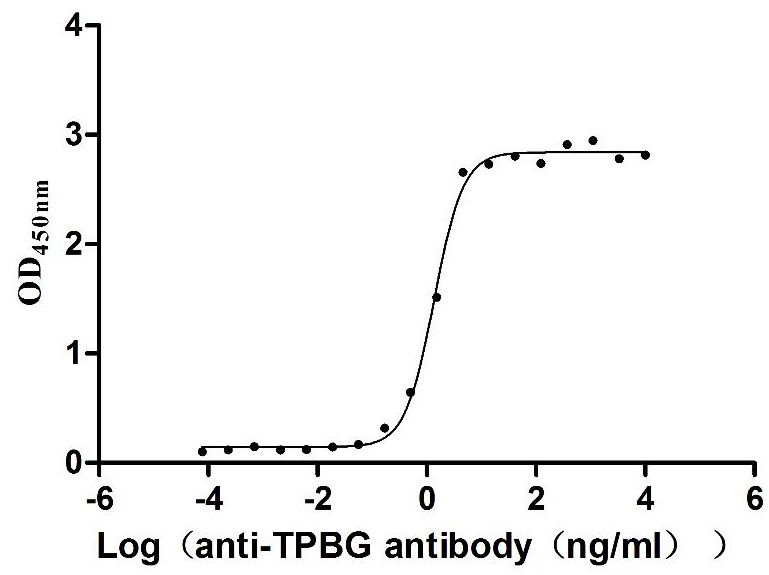
Recombinant Human Trophoblast glycoprotein (TPBG), partial (Active)
Express system: Mammalian cell
Species: Homo sapiens (Human)
-
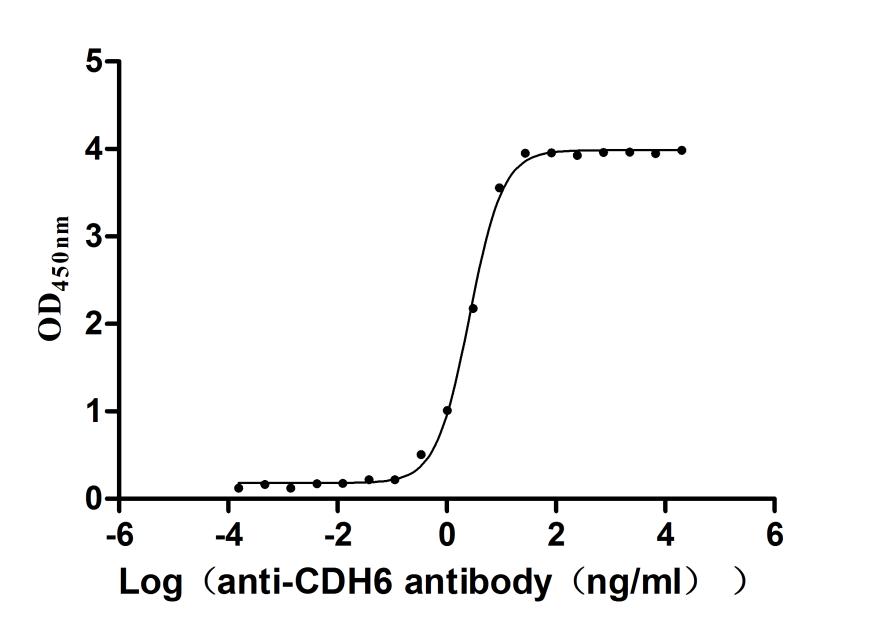
Recombinant Human Cadherin-6(CDH6),partial (Active)
Express system: Mammalian cell
Species: Homo sapiens (Human)
-
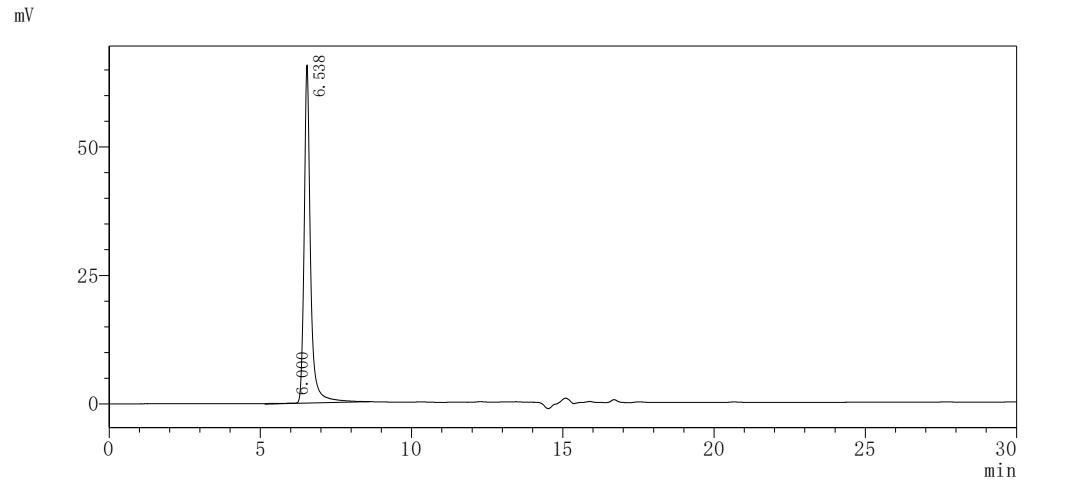
Recombinant Human C-C chemokine receptor type 9 (CCR9)-VLPs (Active)
Express system: Mammalian cell
Species: Homo sapiens (Human)
-
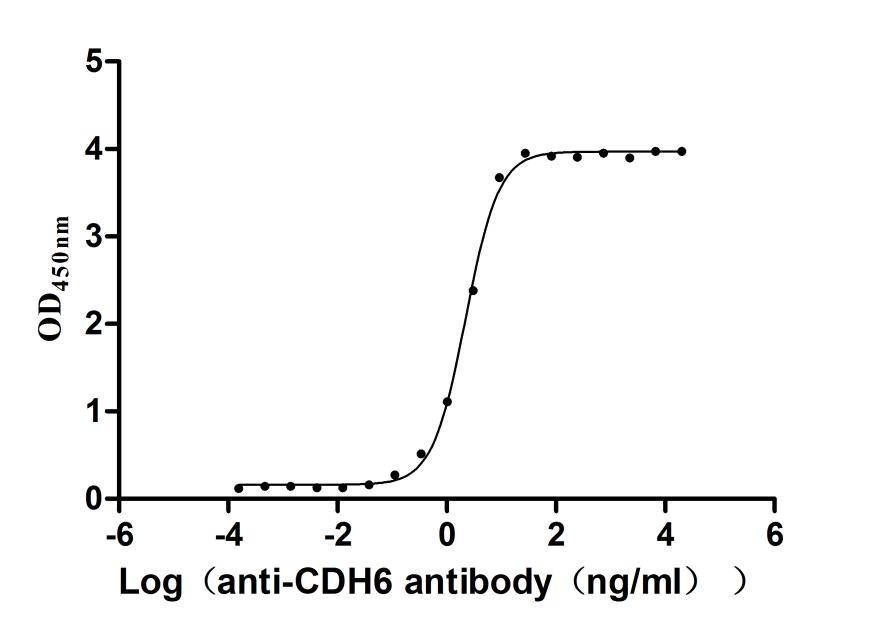
Recombinant Macaca fascicularis Cadherin 6(CDH6),partial (Active)
Express system: Mammalian cell
Species: Macaca fascicularis (Crab-eating macaque) (Cynomolgus monkey)
-
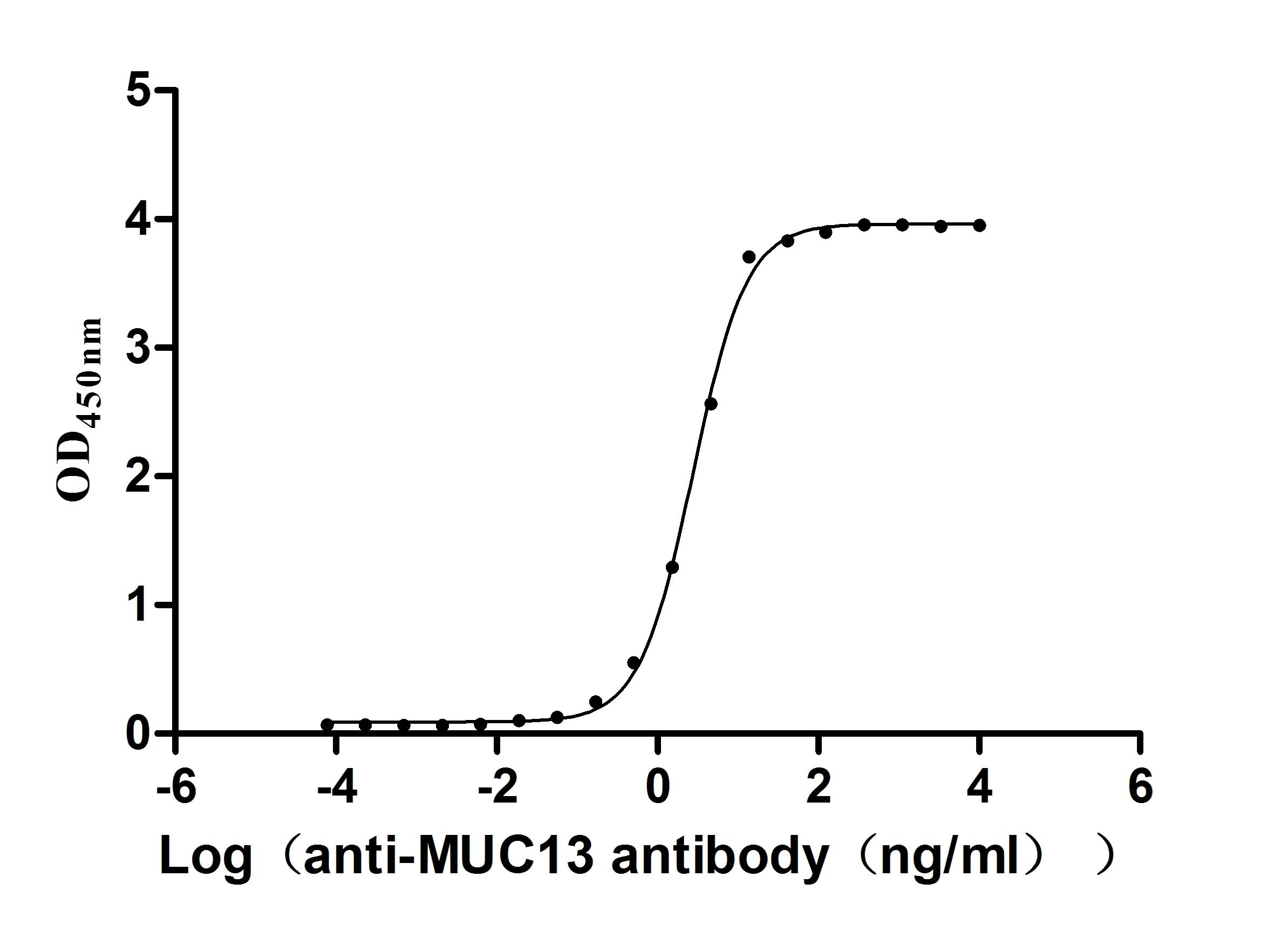
Recombinant Human Mucin-13(MUC13),partial (Active)
Express system: yeast
Species: Homo sapiens (Human)