Recombinant Human Calcium homeostasis modulator protein 1 (CALHM1)
-
中文名稱:Recombinant Human Calcium homeostasis modulator protein 1(CALHM1)
-
貨號:CSB-CF808532HU
-
規格:
-
來源:in vitro E.coli expression system
-
其他:
產品詳情
-
基因名:CALHM1
-
Uniprot No.:
-
別名:CALHM1; FAM26C; Calcium homeostasis modulator protein 1; Protein FAM26C
-
種屬:Homo sapiens (Human)
-
蛋白長度:full length protein
-
表達區域:1-346
-
氨基酸序列MMDKFRMIFQFLQSNQESFMNGICGIMALASAQMYSAFDFNCPCLPGYNAAYSAGILLAP PLVLFLLGLVMNNNVSMLAEEWKRPLGRRAKDPAVLRYMFCSMAQRALIAPVVWVAVTLL DGKCFLCAFCTAVPVSALGNGSLAPGLPAPELARLLARVPCPEIYDGDWLLAREVAVRYL RCISQALGWSFVLLTTLLAFVVRSVRPCFTQAAFLKSKYWSHYIDIERKLFDETCTEHAK AFAKVCIQQFFEAMNHDLELGHTHGTLATAPASAAAPTTPDGAEEEREKLRGITDQGTMN RLLTSWHKCKPPLRLGQEEPPLMGNGWAGGGPRPPRKEVATYFSKV
Note: The complete sequence may include tag sequence, target protein sequence, linker sequence and extra sequence that is translated with the protein sequence for the purpose(s) of secretion, stability, solubility, etc.
If the exact amino acid sequence of this recombinant protein is critical to your application, please explicitly request the full and complete sequence of this protein before ordering. -
蛋白標簽:N-terminal 10xHis-tagged
-
產品提供形式:Liquid or Lyophilized powder
Note: We will preferentially ship the format that we have in stock, however, if you have any special requirement for the format, please remark your requirement when placing the order, we will prepare according to your demand. -
緩沖液:Lyophilized from Tris/PBS-based buffer, 6% Trehalose, pH 8.0
-
儲存條件:Store at -20°C/-80°C upon receipt, aliquoting is necessary for mutiple use. Avoid repeated freeze-thaw cycles.
-
保質期:The shelf life is related to many factors, storage state, buffer ingredients, storage temperature and the stability of the protein itself.
Generally, the shelf life of liquid form is 6 months at -20°C/-80°C. The shelf life of lyophilized form is 12 months at -20°C/-80°C. -
貨期:Basically, we can dispatch the products out in 1-3 working days after receiving your orders. Delivery time may differ from different purchasing way or location, please kindly consult your local distributors for specific delivery time.Note: All of our proteins are default shipped with normal blue ice packs, if you request to ship with dry ice, please communicate with us in advance and extra fees will be charged.
-
注意事項:Repeated freezing and thawing is not recommended. Store working aliquots at 4°C for up to one week.
-
Datasheet & COA:Please contact us to get it.
產品評價

相關產品
靶點詳情
-
功能:Pore-forming subunit of a voltage-gated ion channel required for sensory perception of sweet, bitter and umami tastes. Specifically present in type II taste bud cells, where it plays a central role in sweet, bitter and umami taste perception by inducing ATP release from the cell, ATP acting as a neurotransmitter to activate afferent neural gustatory pathways. Together with CALHM3, forms a fast-activating voltage-gated ATP-release channel in type II taste bud cells (TBCs). Acts both as a voltage-gated and calcium-activated ion channel: mediates neuronal excitability in response to changes in extracellular Ca(2+) concentration. Has poor ion selectivity and forms a wide pore (around 14 Angstroms) that mediates permeation of Ca(2+), Na(+) and K(+), as well as permeation of monovalent anions. Acts as an activator of the ERK1 and ERK2 cascade. Triggers endoplasmic reticulum stress by reducing the calcium content of the endoplasmic reticulum. May indirectly control amyloid precursor protein (APP) proteolysis and aggregated amyloid-beta (Abeta) peptides levels in a Ca(2+) dependent manner.
-
基因功能參考文獻:
- Meta-analysis suggested that CALHM1 rs2986017 might be associated with increased Alzheimer's disease risk in Caucasian, but not Asian population PMID: 26700797
- In the presence of antibody, P86L-CALHM1 shifts the balance between neurodegeneration and neuronal survival toward the stimulation of pro-cytotoxic pathways, thus potentially contributing to its deleterious effects in Alzheimer's disease. PMID: 26416646
- CALHM1 polymorphism may be potential biomarker in patients with Alzheimer disease. [meta-analysis] PMID: 26944452
- The rare R154H variant interferes with CALHM1 control of cytosolic Ca2+ and Abeta accumulation. PMID: 25386646
- CALHM1 p.P86L variation may not be an AD susceptibility factor in the Han Chinese population. PMID: 24630757
- This study showed that No association between polymorphisms in the calcium homeostasis modulator 1 gene and mesial temporal lobe epilepsy risk in a Chinese population PMID: 24326043
- rare genetic variants in CALHM1 lead to Ca(2+) dysregulation and may contribute to the risk of EOAD through a mechanism independent from the classical Ass cascade. PMID: 24069280
- The study identifies a previously uncharacterized mechanism of control of Ca(2+)-dependent ERK1/2 signaling in neurons, and further establishes CALHM1 as a critical ion channel for neuronal signaling and function. PMID: 23345406
- Our data show that CLHM-1 is a functionally conserved ion channel that plays an important but potentially toxic role in excitable cell function. PMID: 23884934
- Structural and functional similarities of calcium homeostasis modulator 1 (CALHM1) ion channel with connexins, pannexins, and innexins. PMID: 23300080
- CALHM1 is a voltage-gated ATP-release channel required for sweet, bitter and umami taste perception PMID: 23467090
- A TGG haplotype defined by the rs4918016-rs2986017-rs2986018 block was associated with sporadic Creutzfeldt-Jakob disease. PMID: 22874670
- An association between the CALHM1 polymorphism and the risk for Alzheimer's disease, was not detected. PMID: 21378601
- Data show a significant association of CALHM1 P86L with elevated CSF Abeta42 and Abeta40 in the normal cohort at risk for Alzheimer's disease. PMID: 21629967
- CALHM1 increases Ca(2+) leak from the ER and, more importantly, reduces the endoplasmic reticulum Ca(2+) uptake by decreasing both the transport capacity and the Ca(2+) affinity of SERCA. PMID: 21574960
- These results indicate that the CALHM1 Pro86Leu polymorphism may modulate age of onset of Alzheimer's disease by interacting with the effect of the epsilon4 allele of apolipoprotein E. PMID: 20847397
- The results of this study provide the first evidence that the SNP rs11191692 in CALHM1 confers highly increased susceptibility to temporal lobe epilepsy. PMID: 21439911
- This study demonistrated that CALHM1 allele (13.5% vs 16.7%) and genotype frequency was not significantly different between Alzheimer's disease (AD) and controls. PMID: 19545933
- the CALHM1 P86L common variant may not influence Alzheimer disease risk in Japanese PMID: 19655363
- Meta-analysis of gene-disease association and gene-gene interaction. (HuGE Navigator) PMID: 20847397
- This study for the first time finds that the GOLPH2 modifies the ApoE[varepsilon]4-associated risk of Alzheimer's disease. PMID: 20592574
- Observational study and genome-wide association study of gene-disease association. (HuGE Navigator) PMID: 20534741
- Observational study of gene-disease association. (HuGE Navigator) PMID: 20574532
- Observational study of gene-disease association and gene-gene interaction. (HuGE Navigator) PMID: 20592574
- Observational study of gene-disease association. (HuGE Navigator) PMID: 20634593
- This study failed to show an association between theeight SNPs of the CALHM1 genes and alzheimer disease. PMID: 20164573
- The CALHM1-P86L polymorphism is associated with Alzheimer's disease in the ethnic Chinese Han population. PMID: 20061624
- The present study might help to highlight the CALMH1gene as an excellent candidate for AD genetic susceptibility. PMID: 20164592
- The results of this study did not confirm an association between the CALHM1 variation and AD, thus suggesting a genetic heterogeneity among the various populations. PMID: 20164602
- we found no evidence that CALHM1 P86L is associated with altered CSF levels of the investigated Alzheimer's disease biomarkers A beta 42, tau and phospho-tau PMID: 20005921
- Observational study of gene-disease association and gene-gene interaction. (HuGE Navigator) PMID: 20164573
- Observational study and meta-analysis of gene-disease association. (HuGE Navigator) PMID: 20164592
- Observational study of gene-disease association. (HuGE Navigator) PMID: 20164602
- Cells carrying the P86L mutation of CALHM1 channel may have mitochondria more vulnerable to Ca2+ overload and to apoptotic stimuli. PMID: 19944073
- Study determined that the CALHM1 P86L polymorphism is associated with Alzheimer's disease, further found that the P86L polymorphism increases amyloid-beta levels by interfering with CALHM1-mediated Ca(2+) permeability. PMID: 18585350
- [Review] Expression of CALHM1 is found in all brain regions and cells of neuronal lineage; it localizes predominantly to the endoplasmic reticulum but also exists at the plasma membrane, where it forms a novel calcium influx route to the cytosol. PMID: 18667147
- Protein may be a genetic determinant of Alzheimer disease, since a polymorphism reduces calcium permeability. PMID: 19038093
- Study assessed the potential association between Alzheimer's Disease risk and the Pro86Leu variant in the CALHM1 gene; no association was observed, either in the individual samples or in the combined analyses of more than 8100 subjects PMID: 19070563
- No association with risk of late-onset Alzheimer disease (p=0.368 for genotypes; p=0.796 for alleles) was observed in the study, however, a potential modest association of minor allele homozygosity (TT) with an earlier age-at-onset was seen. PMID: 19191331
- Study suggests the polymorphism does not contribute significantly to Alzheimer dementia risk in the Belgian population. PMID: 19191332
- CALHM1 polymorphism is not associated with late-onset Alzheimer disease. PMID: 19472444
- Observational study of gene-disease association. (HuGE Navigator) PMID: 20005921
- Observational study of gene-disease association. (HuGE Navigator) PMID: 20061624
- Observational study of gene-disease association. (HuGE Navigator) PMID: 19655363
- Observational study of gene-disease association and gene-gene interaction. (HuGE Navigator) PMID: 19545933
- Observational study of gene-disease association. (HuGE Navigator) PMID: 19472444
- Observational study of gene-disease association. (HuGE Navigator) PMID: 19191331
- Observational study of gene-disease association. (HuGE Navigator) PMID: 19191332
- Observational study of gene-disease association. (HuGE Navigator) PMID: 18585350
顯示更多
收起更多
-
亞細胞定位:Cell membrane; Multi-pass membrane protein. Endoplasmic reticulum membrane; Multi-pass membrane protein. Basolateral cell membrane; Multi-pass membrane protein.
-
蛋白家族:CALHM family
-
組織特異性:Predominantly expressed in adult brain. Detected also in retinoic acid-differentiated SH-SY5Y cells. Specifically expressed in circumvallate taste bud cells.
-
數據庫鏈接:
Most popular with customers
-
-AC1.jpg)
Recombinant Human Microtubule-associated protein tau (MAPT) (Active)
Express system: Mammalian cell
Species: Homo sapiens (Human)
-
-AC1.jpg)
Recombinant Human Interleukin-17A (IL17A) (T26A) (Active)
Express system: Baculovirus
Species: Homo sapiens (Human)
-
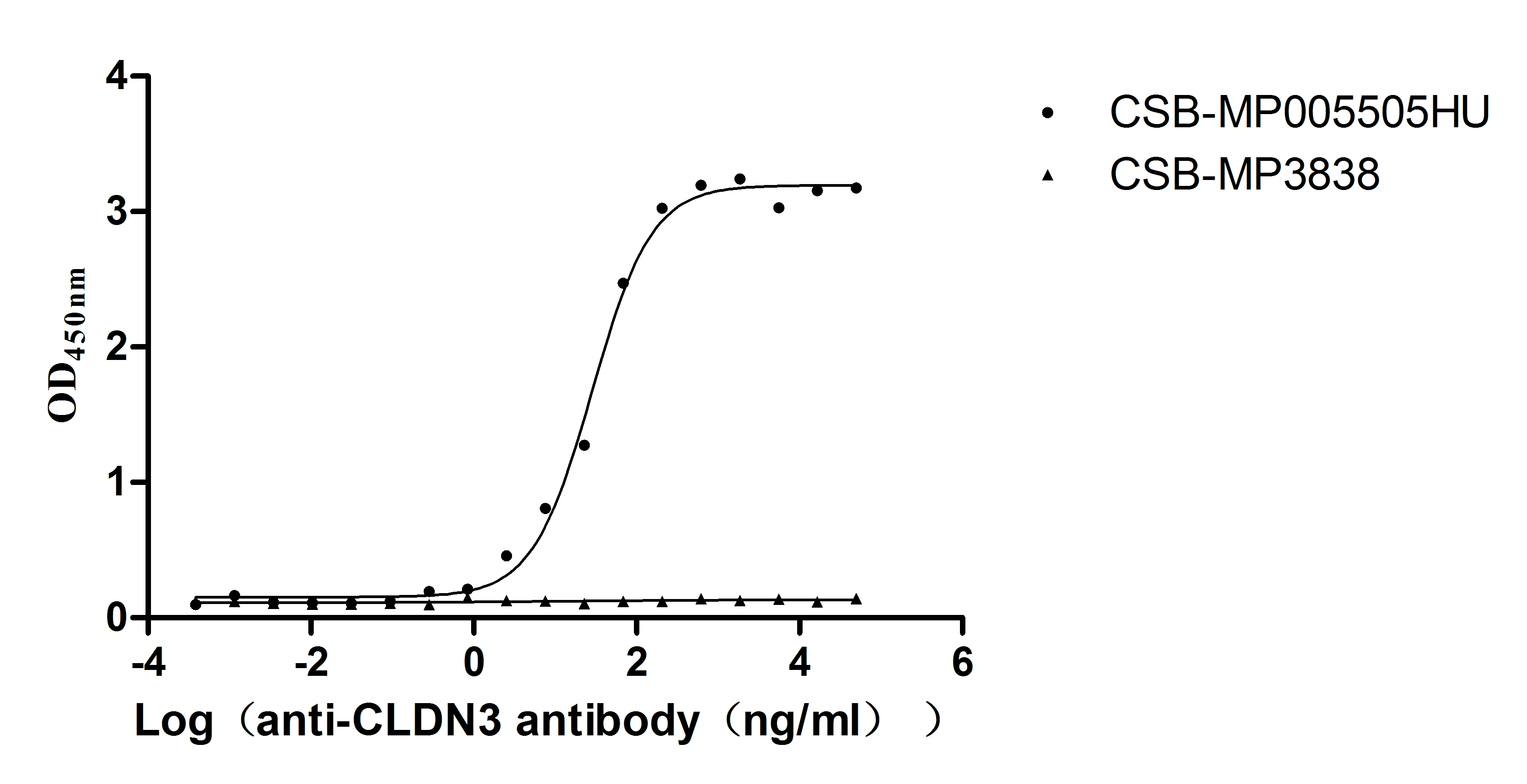
Recombinant Human Claudin-3 (CLDN3)-VLPs (Active)
Express system: Mammalian cell
Species: Homo sapiens (Human)
-
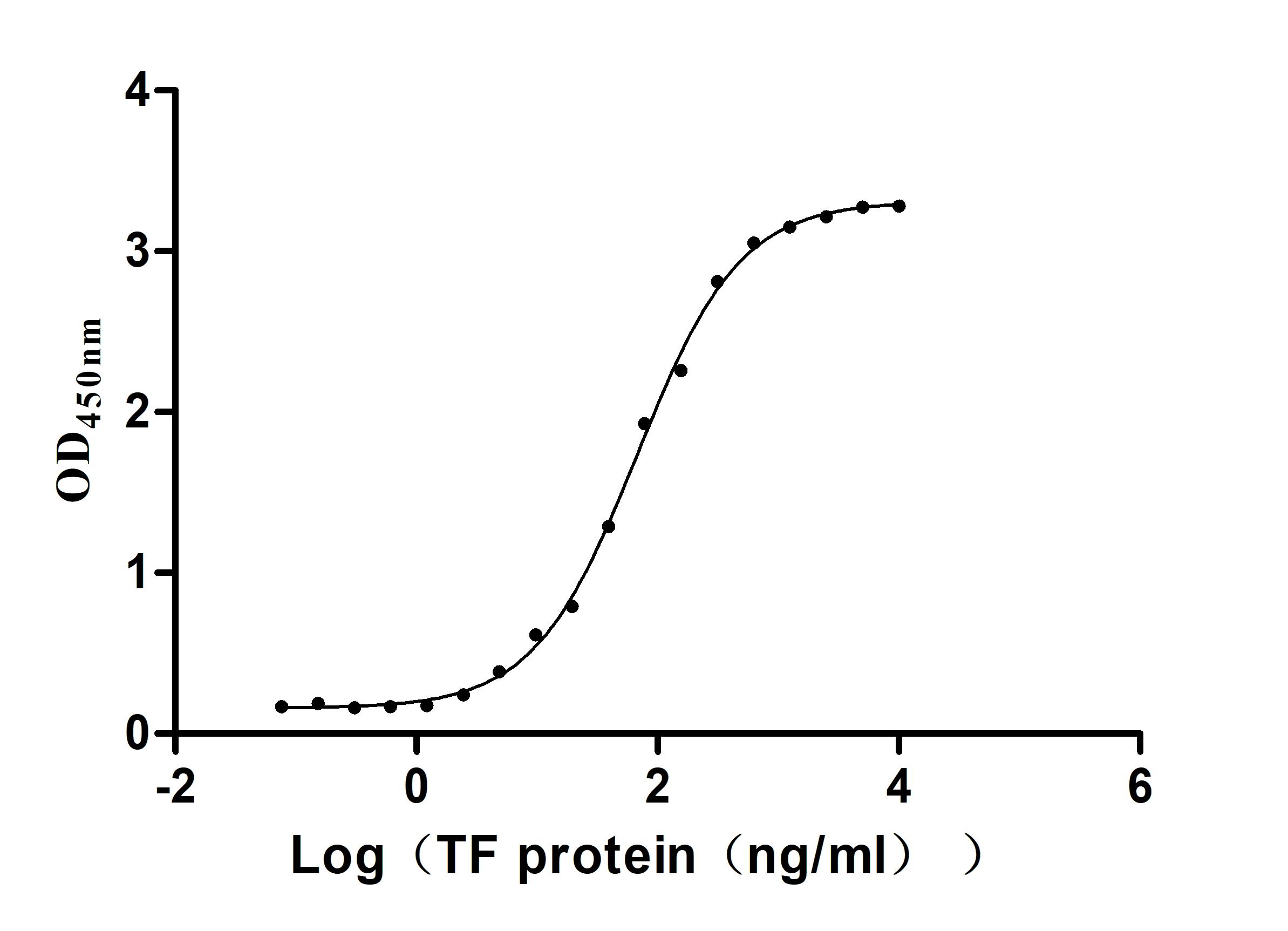
Recombinant Human Serotransferrin(TF) (Active)
Express system: Mammalian cell
Species: Homo sapiens (Human)
-
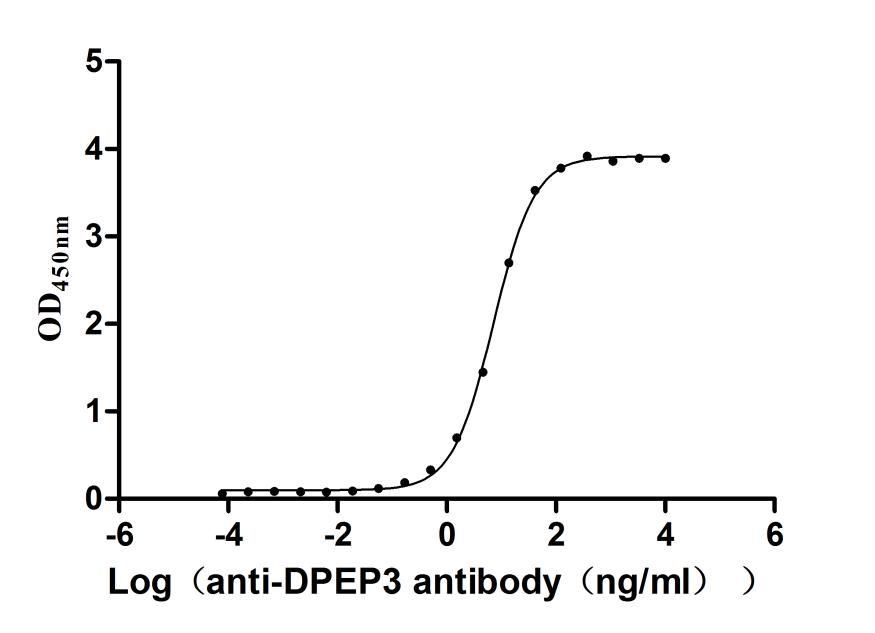
Recombinant Human Dipeptidase 3(DPEP3), partial (Active)
Express system: Mammalian cell
Species: Homo sapiens (Human)
-
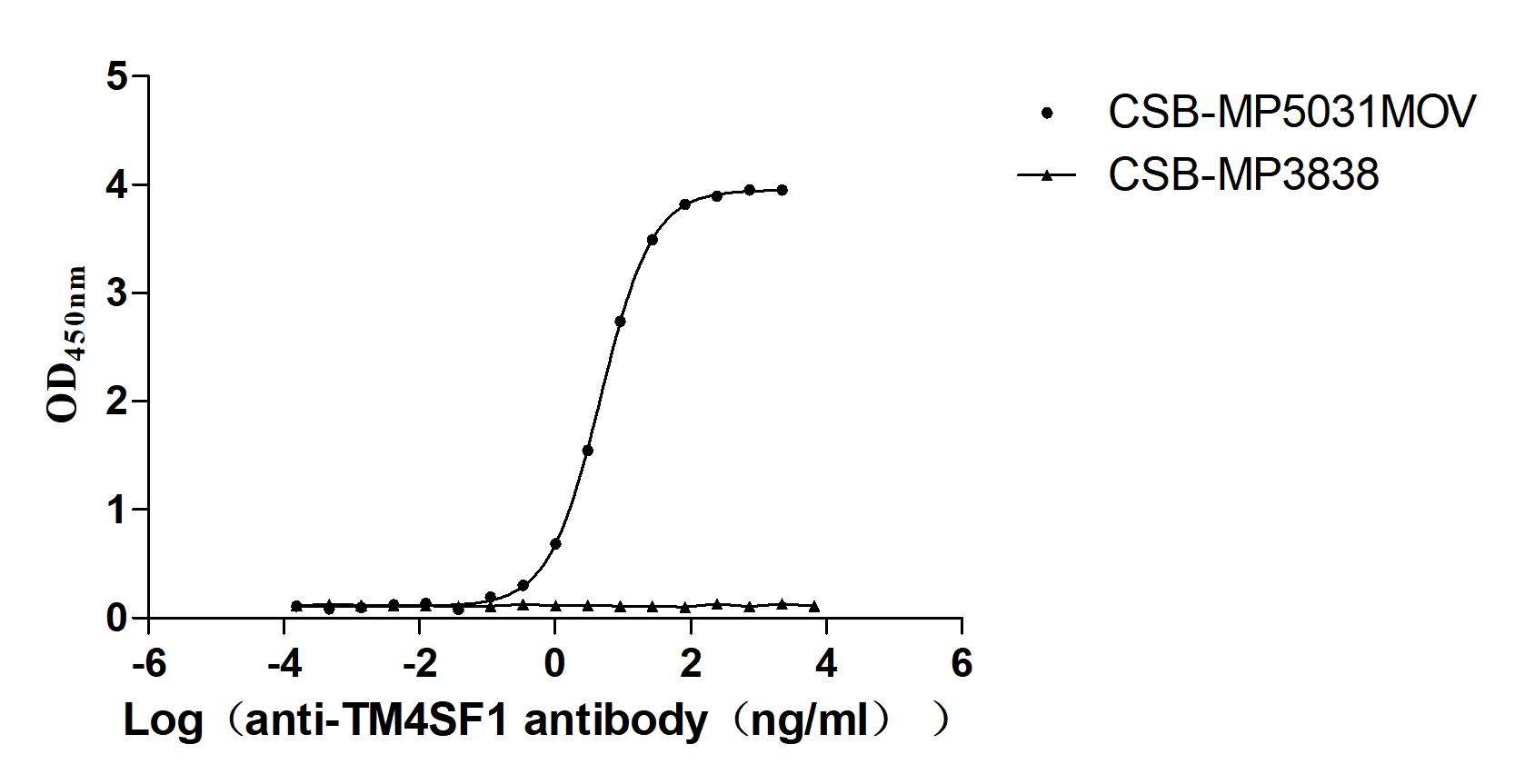
Recombinant Macaca fascicularis Transmembrane 4 L6 family member 1 (TM4SF1)-VLPs (Active)
Express system: Mammalian cell
Species: Macaca fascicularis (Crab-eating macaque) (Cynomolgus monkey)
-
-
Recombinant Human Cadherin-6 (CDH6), partial (Active)
Express system: Mammalian cell
Species: Homo sapiens (Human)