Recombinant Rat Acid-sensing ion channel 3 (Asic3), partial
-
中文名稱(chēng):Recombinant Rat Acid-sensing ion channel 3(Asic3),partial
-
貨號(hào):CSB-YP001143RA
-
規(guī)格:
-
來(lái)源:Yeast
-
其他:
-
中文名稱(chēng):Recombinant Rat Acid-sensing ion channel 3(Asic3),partial
-
貨號(hào):CSB-EP001143RA
-
規(guī)格:
-
來(lái)源:E.coli
-
其他:
-
中文名稱(chēng):Recombinant Rat Acid-sensing ion channel 3(Asic3),partial
-
貨號(hào):CSB-EP001143RA-B
-
規(guī)格:
-
來(lái)源:E.coli
-
共軛:Avi-tag Biotinylated
E. coli biotin ligase (BirA) is highly specific in covalently attaching biotin to the 15 amino acid AviTag peptide. This recombinant protein was biotinylated in vivo by AviTag-BirA technology, which method is BriA catalyzes amide linkage between the biotin and the specific lysine of the AviTag.
-
其他:
-
中文名稱(chēng):Recombinant Rat Acid-sensing ion channel 3(Asic3),partial
-
貨號(hào):CSB-BP001143RA
-
規(guī)格:
-
來(lái)源:Baculovirus
-
其他:
-
中文名稱(chēng):Recombinant Rat Acid-sensing ion channel 3(Asic3),partial
-
貨號(hào):CSB-MP001143RA
-
規(guī)格:
-
來(lái)源:Mammalian cell
-
其他:
產(chǎn)品詳情
-
純度:>85% (SDS-PAGE)
-
基因名:
-
Uniprot No.:
-
別名:Asic3; Accn3; DrasicAcid-sensing ion channel 3; ASIC3; Amiloride-sensitive cation channel 3; Dorsal root ASIC; DRASIC
-
種屬:Rattus norvegicus (Rat)
-
蛋白長(zhǎng)度:Partial
-
蛋白標(biāo)簽:Tag?type?will?be?determined?during?the?manufacturing?process.
The tag type will be determined during production process. If you have specified tag type, please tell us and we will develop the specified tag preferentially. -
產(chǎn)品提供形式:Lyophilized powder
Note: We will preferentially ship the format that we have in stock, however, if you have any special requirement for the format, please remark your requirement when placing the order, we will prepare according to your demand. -
復(fù)溶:We recommend that this vial be briefly centrifuged prior to opening to bring the contents to the bottom. Please reconstitute protein in deionized sterile water to a concentration of 0.1-1.0 mg/mL.We recommend to add 5-50% of glycerol (final concentration) and aliquot for long-term storage at -20℃/-80℃. Our default final concentration of glycerol is 50%. Customers could use it as reference.
-
儲(chǔ)存條件:Store at -20°C/-80°C upon receipt, aliquoting is necessary for mutiple use. Avoid repeated freeze-thaw cycles.
-
保質(zhì)期:The shelf life is related to many factors, storage state, buffer ingredients, storage temperature and the stability of the protein itself.
Generally, the shelf life of liquid form is 6 months at -20°C/-80°C. The shelf life of lyophilized form is 12 months at -20°C/-80°C. -
貨期:Delivery time may differ from different purchasing way or location, please kindly consult your local distributors for specific delivery time.Note: All of our proteins are default shipped with normal blue ice packs, if you request to ship with dry ice, please communicate with us in advance and extra fees will be charged.
-
注意事項(xiàng):Repeated freezing and thawing is not recommended. Store working aliquots at 4°C for up to one week.
-
Datasheet :Please contact us to get it.
產(chǎn)品評(píng)價(jià)

靶點(diǎn)詳情
-
功能:Cation channel with high affinity for sodium, which is gated by extracellular protons and inhibited by the diuretic amiloride. Generates a biphasic current with a fast inactivating and a slow sustained phase. In sensory neurons is proposed to mediate the pain induced by acidosis that occurs in ischemic, damaged or inflamed tissue. May be involved in hyperalgesia. May play a role in mechanoreception. Heteromeric channel assembly seems to modulate channel properties.
-
基因功能參考文獻(xiàn):
- Study shows that a ring of rat ASIC3 glutamates (Glu435), located above the channel gate, modulates proton sensitivity and contributes to the formation of the elusive Ca2+ block site, enhancing understanding of ASIC gating mechanisms and provide structural and energetic insights into this unique calcium-binding site. PMID: 29802295
- Upregulation of mRNA and protein levels of ASIC3 suggested its potential involvement in the development and maintenance of cancer-induced bone pain PMID: 25006846
- In this study, we made a homology model of ASIC3 and used extensive protein-protein docking to predict for the first time, the probable sites of APETx2 interaction on ASIC3. PMID: 24942880
- The predominant ASIC subtype responding to decreased meningeal pH is ASIC3. PMID: 23808707
- Experiments with Asic3 inhibitors show that Asic3 inhibition leads to loss of pressure-induced vasodilation due to pressure detection failure rather than endothelial mechanisms. PMID: 22842475
- Our data show that anions modulate a variety of ASIC properties and are dependent on the subunit composition, and the mechanism of modulation for ASIC2a and -3 is distinct from that of ASIC1a. PMID: 23135698
- Dimerization of stomatin is crucial for the repression of acid-sensing ion channel 3 (ASIC3) activity. PMID: 22850675
- Nonproton ligand sensing domain is required for paradoxical stimulation of acid-sensing ion channel 3 (ASIC3) channels by amiloride PMID: 21998313
- ASIC3 is involved in the development of acute gastric mucosal lesion, and sufentanil pretreatment offers protection of gastric mucosa by inhibiting the expression of ASIC3. PMID: 20501405
- these data demonstrate a significant role for peripheral ASIC3-containing channels in postoperative pain. PMID: 21508231
- ASICs remain the principal pH sensors of dorsal root ganglion neurons at 35 degrees C in the pH range >/=6. PMID: 20924599
- ASIC3 functions as a molecule for mechanosensation in the periodontal Ruffini endings PMID: 21078372
- Nonproton ligand sensing domain might represent a novel mechanism for activation or sensitization of ASIC3 channels underlying inflammatory pain-sensing under in vivo conditions. PMID: 21143836
- ASIC3 has a more prominent role in the development of mechanical hypersensitivity in a model of acid-induced muscle pain; the results from the present study demonstrate a prominent role for peripheral ASIC3 in ongoing inflammatory pain PMID: 20860671
- mRNA expression of ASIC3 was significantly higher in SHR than in WKY carotid bodies before hypertension developed. PMID: 20019330
- determination of expression in sensory neurons by nerve growth factor PMID: 14522957
- ASIC3 is regulated by ASIC2b via the partner protein PICK-1 PMID: 14976185
- Results describe a new toxin (APETx2) from the sea anemone Anthopleura elegantissima, which inhibits ASIC3 homomeric channels in rat sensory neurons. PMID: 15044953
- Here we show that, in addition to modulating the apparent H+ affinity, Ca2+ blocks ASIC1a in the open state (IC50 approximately 3.9 mM at pH 5.5), whereas ASIC1b is blocked with reduced affinity (IC50 > 10 mM at pH 4.7) PMID: 15452199
- Sensory neurons that innervate muscle are more likely to express ASIC3 than those that innervate skin. PMID: 16305749
- ASIC3-containing neurons have a wide variety of sensory modalities in the vagal and glossopharyngeal sensory ganglia. PMID: 16510130
- specific conformation change associated with desensitization PMID: 17389250
- NGF serves to maintain the basal expression of ASIC3 through p75NTR and ERK signaling in discal cells. PMID: 17696763
- Vascular smooth muscle ASIC3 is required for normal cell migration. PMID: 17936312
- Results suggest that peripheral ASIC3 channels are essential sensors of acidic pain and integrators of molecular signals produced during inflammation where they contribute to primary hyperalgesia. PMID: 18923424
- analysis of amiloride derivatives modified at the 5-position of the pyrazine ring inhibitors of acid-sensing ion channel-3 (ASIC3) PMID: 19339181
- we demonstrate for the first time the presence of ASIC3 mRNA and its protein in several subregions of the rat brain, including prefrontal cortex, hippocampus, amygdala, caudate putamen and hypothalamus PMID: 19356693
顯示更多
收起更多
-
亞細(xì)胞定位:Cytoplasm. Cell membrane; Multi-pass membrane protein.
-
蛋白家族:Amiloride-sensitive sodium channel (TC 1.A.6) family, ASIC3 subfamily
-
組織特異性:Expressed in sciatic nerve and dorsal root ganglion (at protein level). Expressed in sensory neurons of dorsal root ganglion. Expressed in Golgi interneurons in the granular layer. Also found in superior cervical ganglia, spinal chord and brain stem.
-
數(shù)據(jù)庫(kù)鏈接:
Most popular with customers
-
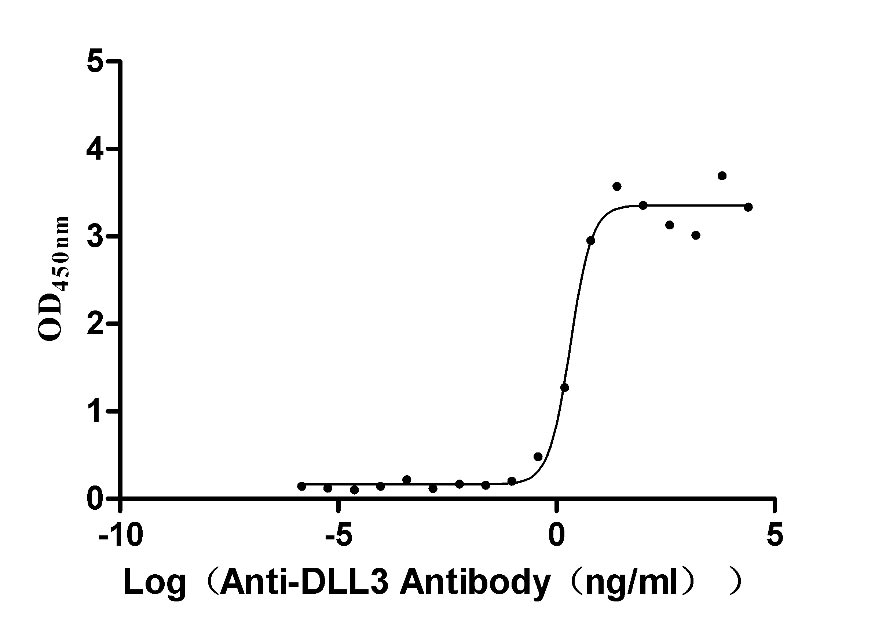
Recombinant Macaca fascicularis Delta-like protein 3 (DLL3), partial (Active)
Express system: Mammalian cell
Species: Macaca fascicularis (Crab-eating macaque) (Cynomolgus monkey)
-
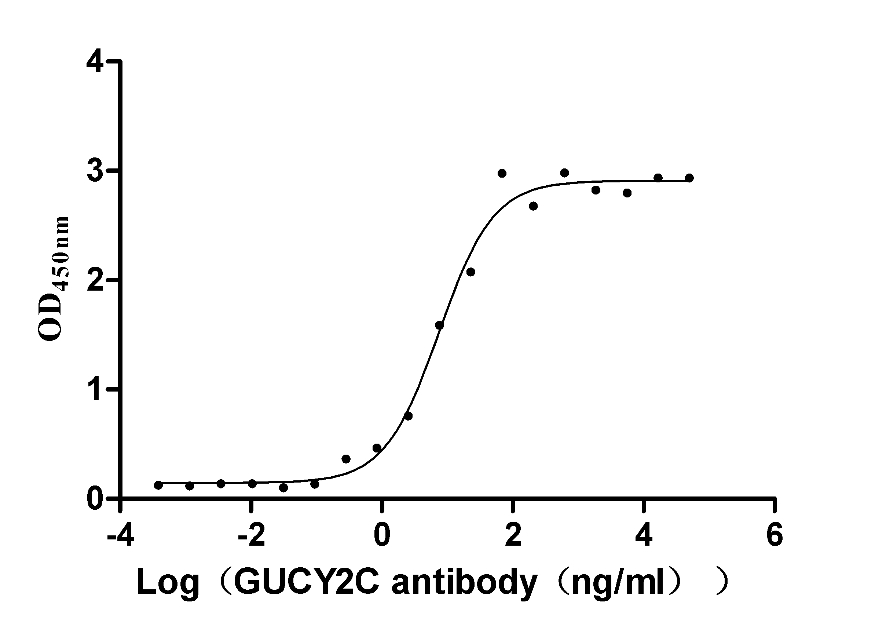
Recombinant Human Heat-stable enterotoxin receptor (GUCY2C), partial (Active)
Express system: Mammalian cell
Species: Homo sapiens (Human)
-
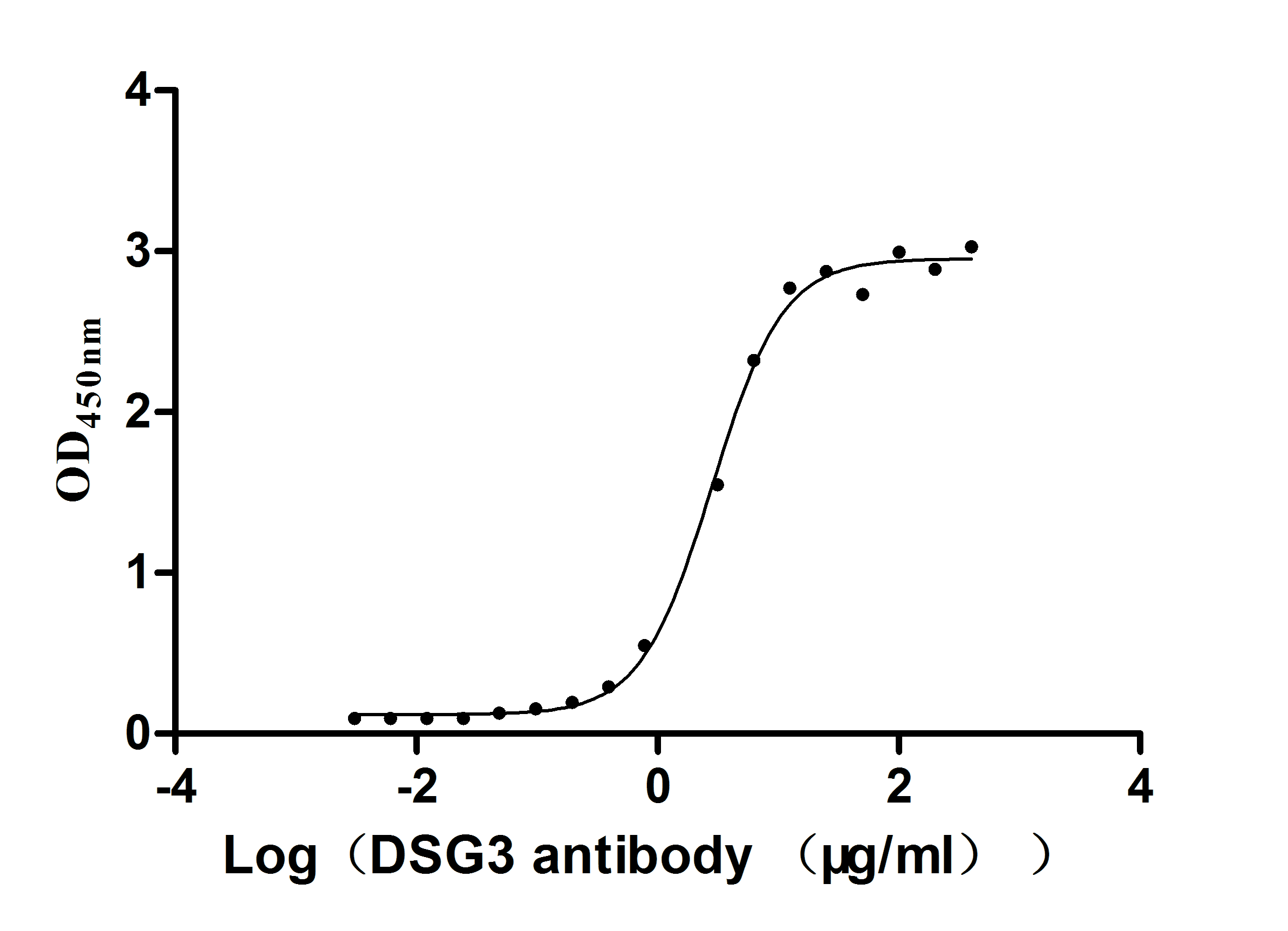
Recombinant Mouse Desmoglein-3 (Dsg3), partial (Active)
Express system: Mammalian cell
Species: Mus musculus (Mouse)
-
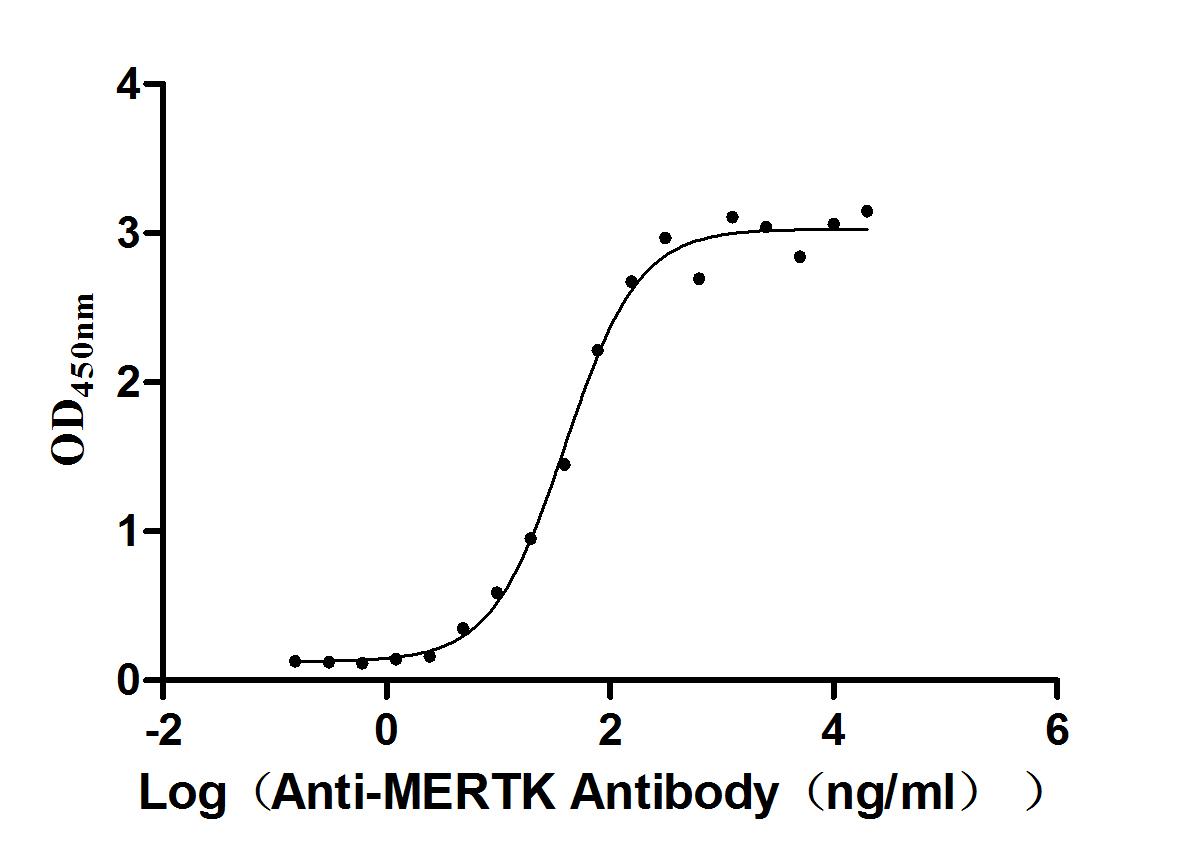
Recombinant Human Tyrosine-protein kinase Mer (MERTK), partial (Active)
Express system: Mammalian cell
Species: Homo sapiens (Human)
-
-AC1.jpg)
Recombinant Human C-X-C chemokine receptor type 4 (CXCR4)-VLPs (Active)
Express system: Mammalian cell
Species: Homo sapiens (Human)
-
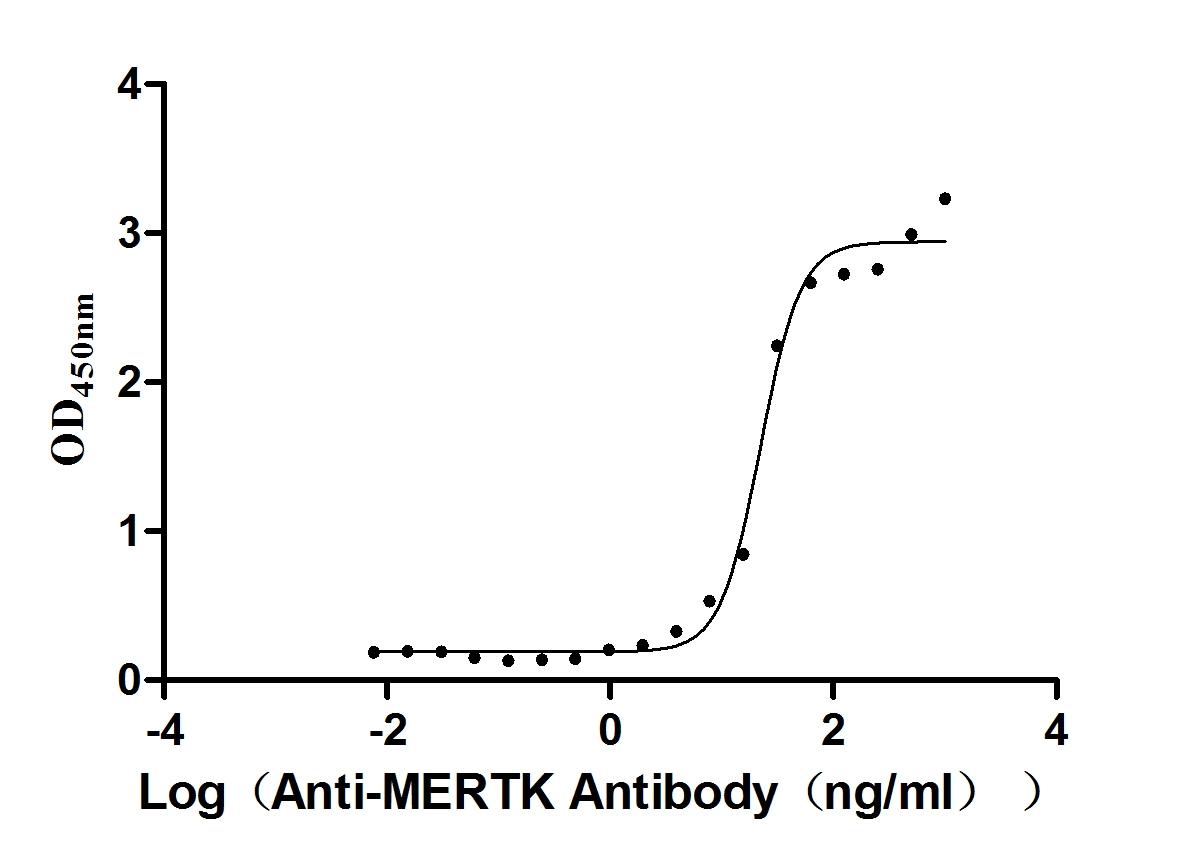
Recombinant Mouse Tyrosine-protein kinase Mer (Mertk), partial (Active)
Express system: Mammalian cell
Species: Mus musculus (Mouse)
-
Recombinant Mouse Complement component C1q receptor (Cd93), partial (Active)
Express system: Mammalian cell
Species: Mus musculus (Mouse)
-
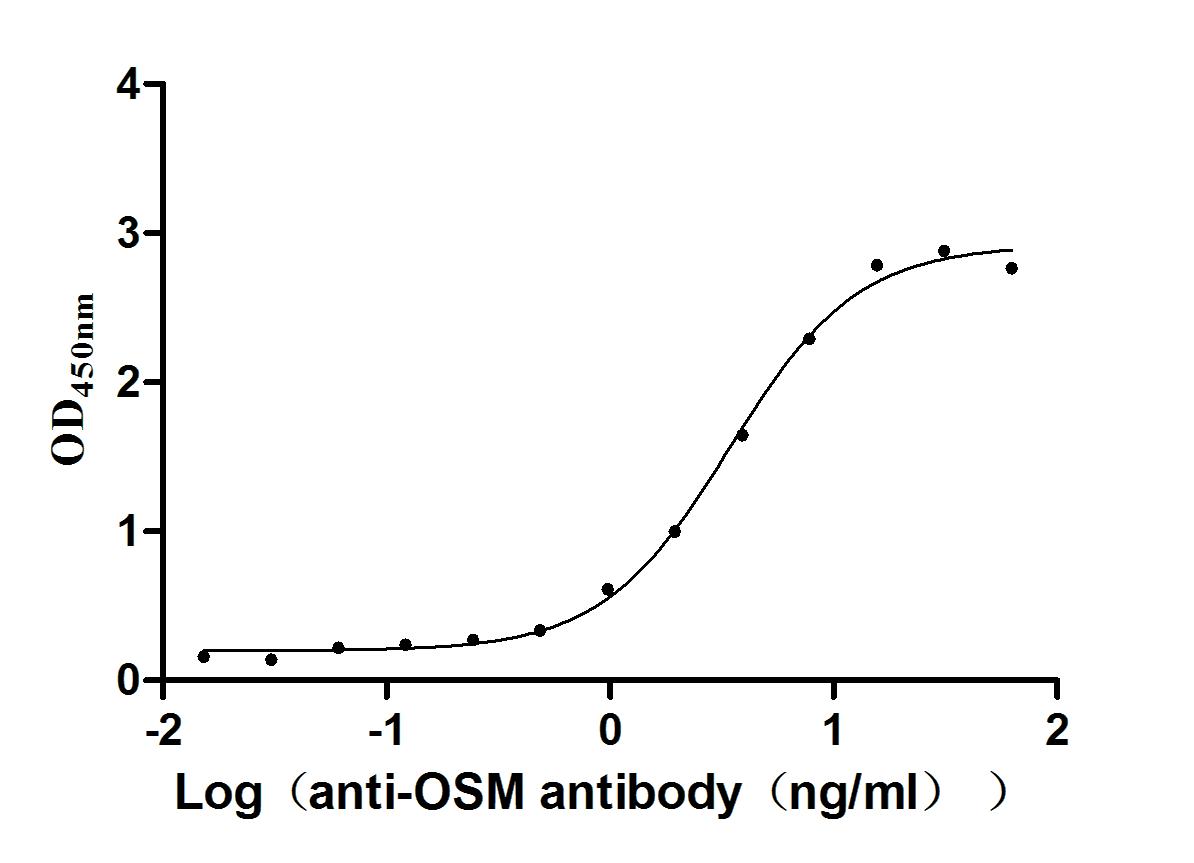
Recombinant Human Oncostatin-M (OSM), partial (Active)
Express system: Mammalian cell
Species: Homo sapiens (Human)