Recombinant Human Ubiquitin carboxyl-terminal hydrolase 4 (USP4), partial
-
中文名稱:人USP4重組蛋白
-
貨號:CSB-YP614393HU
-
規格:
-
來源:Yeast
-
其他:
-
中文名稱:人USP4重組蛋白
-
貨號:CSB-EP614393HU
-
規格:
-
來源:E.coli
-
其他:
-
中文名稱:人USP4重組蛋白
-
貨號:CSB-EP614393HU-B
-
規格:
-
來源:E.coli
-
共軛:Avi-tag Biotinylated
E. coli biotin ligase (BirA) is highly specific in covalently attaching biotin to the 15 amino acid AviTag peptide. This recombinant protein was biotinylated in vivo by AviTag-BirA technology, which method is BriA catalyzes amide linkage between the biotin and the specific lysine of the AviTag.
-
其他:
-
中文名稱:人USP4重組蛋白
-
貨號:CSB-BP614393HU
-
規格:
-
來源:Baculovirus
-
其他:
-
中文名稱:人USP4重組蛋白
-
貨號:CSB-MP614393HU
-
規格:
-
來源:Mammalian cell
-
其他:
產品詳情
-
純度:>85% (SDS-PAGE)
-
基因名:
-
Uniprot No.:
-
別名:Deubiquitinating enzyme 4; MGC149848; MGC149849; Proto oncogene; Protooncogene; Ubiquitin carboxyl terminal hydrolase 4; Ubiquitin carboxyl-terminal hydrolase 4; Ubiquitin specific peptidase 4 (proto oncogene); Ubiquitin specific peptidase 4 (protooncogene); Ubiquitin specific peptidase 4; Ubiquitin specific processing protease 4; Ubiquitin specific protease 4 (proto oncogene); Ubiquitin specific protease 4 (protooncogene); Ubiquitin specific protease 4; Ubiquitin specific protease proto oncogene; Ubiquitin specific protease protooncogene; Ubiquitin thioesterase 4; Ubiquitin thiolesterase 4; Ubiquitin-specific-processing protease 4; Ubiquitous nuclear protein homolog; UBP4_HUMAN; UNP; UNPH; USP 4; USP4
-
種屬:Homo sapiens (Human)
-
蛋白長度:Partial
-
蛋白標簽:Tag?type?will?be?determined?during?the?manufacturing?process.
The tag type will be determined during production process. If you have specified tag type, please tell us and we will develop the specified tag preferentially. -
產品提供形式:Lyophilized powder
Note: We will preferentially ship the format that we have in stock, however, if you have any special requirement for the format, please remark your requirement when placing the order, we will prepare according to your demand. -
復溶:We recommend that this vial be briefly centrifuged prior to opening to bring the contents to the bottom. Please reconstitute protein in deionized sterile water to a concentration of 0.1-1.0 mg/mL.We recommend to add 5-50% of glycerol (final concentration) and aliquot for long-term storage at -20℃/-80℃. Our default final concentration of glycerol is 50%. Customers could use it as reference.
-
儲存條件:Store at -20°C/-80°C upon receipt, aliquoting is necessary for mutiple use. Avoid repeated freeze-thaw cycles.
-
保質期:The shelf life is related to many factors, storage state, buffer ingredients, storage temperature and the stability of the protein itself.
Generally, the shelf life of liquid form is 6 months at -20°C/-80°C. The shelf life of lyophilized form is 12 months at -20°C/-80°C. -
貨期:Delivery time may differ from different purchasing way or location, please kindly consult your local distributors for specific delivery time.Note: All of our proteins are default shipped with normal blue ice packs, if you request to ship with dry ice, please communicate with us in advance and extra fees will be charged.
-
注意事項:Repeated freezing and thawing is not recommended. Store working aliquots at 4°C for up to one week.
-
Datasheet :Please contact us to get it.
產品評價

相關產品
靶點詳情
-
功能:Deubiquitinating enzyme that removes conjugated ubiquitin from target proteins. Deubiquitinates PDPK1. Deubiquitinates TRIM21. Deubiquitinates receptor ADORA2A which increases the amount of functional receptor at the cell surface. May regulate mRNA splicing through deubiquitination of the U4 spliceosomal protein PRPF3. This may prevent its recognition by the U5 component PRPF8 thereby destabilizing interactions within the U4/U6.U5 snRNP. May also play a role in the regulation of quality control in the ER.
-
基因功能參考文獻:
- Data showed significantly increased expression of USP4 in cancer tissues compared to that in para-carcinoma tissues. PMID: 28946564
- The data indicate that USP4 interacts with and deubiquitinates IRF4, and also stabilizes IRF4 protein and promotes IRF4 function to facilitate IL-4 expression in Th2 cells, which may be related to the pathological process of rheumatic heart disease. PMID: 28791349
- These results identify USP4 as a novel regulator of Dvl in Wnt/beta-catenin signal and show its involvement in Wnt3a-induced osteoblast differentiation PMID: 27128386
- Data suggest that ubiquitin specific protease 4 (USP4) interacts with interferon regulatory factor 8 (IRF8) and, by its Lys48-specific deubiquitinase/endopeptidase activity, stabilizes IRF8 protein levels in regulatory T-lymphocytes; USP4 and IRF8 are also expressed in helper T-lymphocytes. PMID: 28477415
- USP4 inhibits p53 and NF-kappaB through deubiquitinating and stabilizing HDAC2 PMID: 26411366
- ubiquitin-specific protease 4 (USP4) is a binding partner of RNPS1. PMID: 27990632
- Data indicate that programmed cell death 4 (PDCD4) was identified to be a target of ubiquitin-specific protease 4 (USP4), which plays a role as a tumor suppressor. PMID: 27430936
- Ubiquitin-specific protease 4 (USP4), recently identified as a beta-catenin-specific deubiquitinylating enzyme, was highly expressed in PC14PE6/LvBr4 cells and involved in the increased stability of beta-catenin protein. PMID: 26883469
- USP4 knockdown in HCT116, a colon cancer cell line, reduced invasion and migration activity. PMID: 26189775
- USP4 cooperates with CtIP in DNA double-strand break end resection. PMID: 26387952
- Results demonstrate that aberrant expression of USP4 contributes to the development and progression of colorectal cancer and reveal a critical mechanism underlying USP4-mediated oncogenic activity. PMID: 26669864
- findings thus identify USP4 as a novel DNA repair regulator and invoke a model in which ubiquitin adducts regulate USP enzyme interactions and functions. PMID: 26455393
- USP4 and IL-17 mRNA, but not RORgammat mRNA, were significantly elevated in CD4(+) T cells from patients with rheumatic heart disease PMID: 25821221
- USP4 overexpression is associated with hepatocellular carcinoma. PMID: 24798342
- Authors identified USP4 as a new positive regulator for RIG-I that acts through deubiquitinating K48-linked ubiquitin chains and stabilizing RIG-I. PMID: 23388719
- Data suggest that USP4 down-regulates RIP1 (receptor-interacting serine-threonine kinase 1)-mediated TNFalpha (tumor necrosis factor-alpha) activation and promotes TNFalpha-induced apoptosis via deubiquitination of RIP1 in head/neck carcinoma. PMID: 23313255
- the interaction with USP4 may regulate the structure and function of the proteasome or the turnover of specific proteasomal substrates. PMID: 23022198
- USP4 plays an essential role in negative regulation of the TLR/IL-1R signaling-mediated innate immune response PMID: 22262844
- Results uncover USP4 as an important determinant for crosstalk between TGF-beta/TGF-beta type I receptor and AKT signalling pathways. PMID: 22706160
- identify the Ubiquitin-Specific Protease 4 (USP4) as an enzyme that removes ubiquitin from PDK1 in vivo and in vitro and co-localizes with PDK1 at the plasma membrane when the two proteins are overexpressed, indicating direct deubiquitination PMID: 22347420
- Results demonstrate that USP4 serves as a critical control to downregulate TNFalpha-induced NF-kappaB activation through deubiquitinating TAK1. PMID: 21331078
- USP4 deubiquitinates both TRAF2 and TRAF6 in vivo and in vitro in a deubiquitinase activity-dependent manner and inhibits TNFalpha-induced cancer cell migration. PMID: 22029577
- Studies indicate that the cylindromatosis/turban tumor syndrome gene (CYLD) ranked highest, followed by acylaminoacyl-peptidase (APEH), dystroglycan (DAG1), macrophage-stimulating protein (MST1) and ubiquitin-specific peptidase 4 (USP4). PMID: 21931648
- modulation of USP4 expression may provide a new means to interfere with canonical Wnt signalling in a variety of physiological and pathological conditions PMID: 20141612
- These results suggest that UnpEL colocalizes with the unubiquitinated form of Ro52 to the cytoplasmic rod-like structures. PMID: 16316627
- Ro52 and UnpEL transregulate each other by ubiquitination and deubiquitination PMID: 16472766
顯示更多
收起更多
-
亞細胞定位:Cytoplasm. Nucleus.
-
蛋白家族:Peptidase C19 family, USP4 subfamily
-
組織特異性:Overexpressed in small cell tumors and adenocarcinomas of the lung compared to wild-type lung (at protein level). Expressed in the hippocampal neurons.
-
數據庫鏈接:
Most popular with customers
-
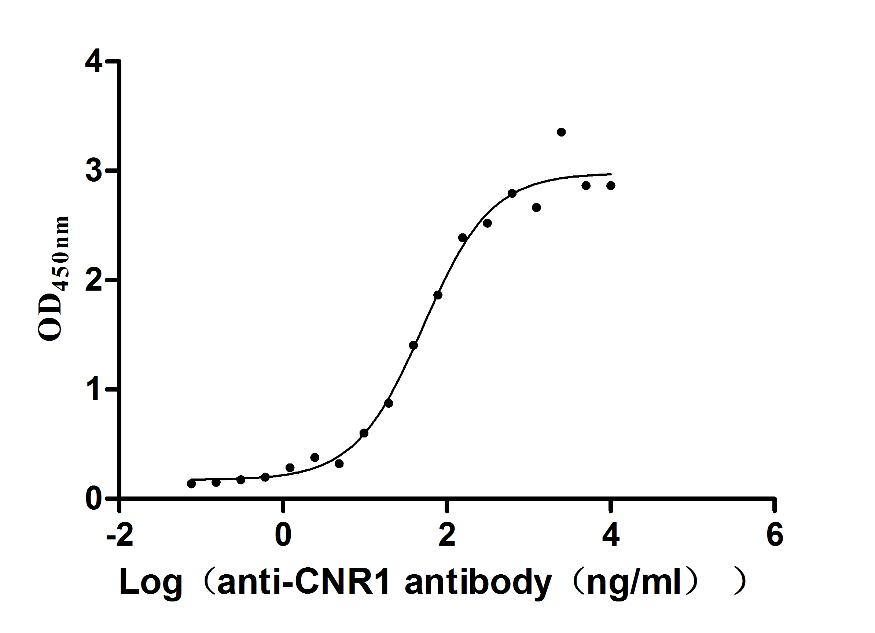
Recombinant Human Cannabinoid receptor 1 (CNR1)-VLPs (Active)
Express system: Mammalian cell
Species: Homo sapiens (Human)
-
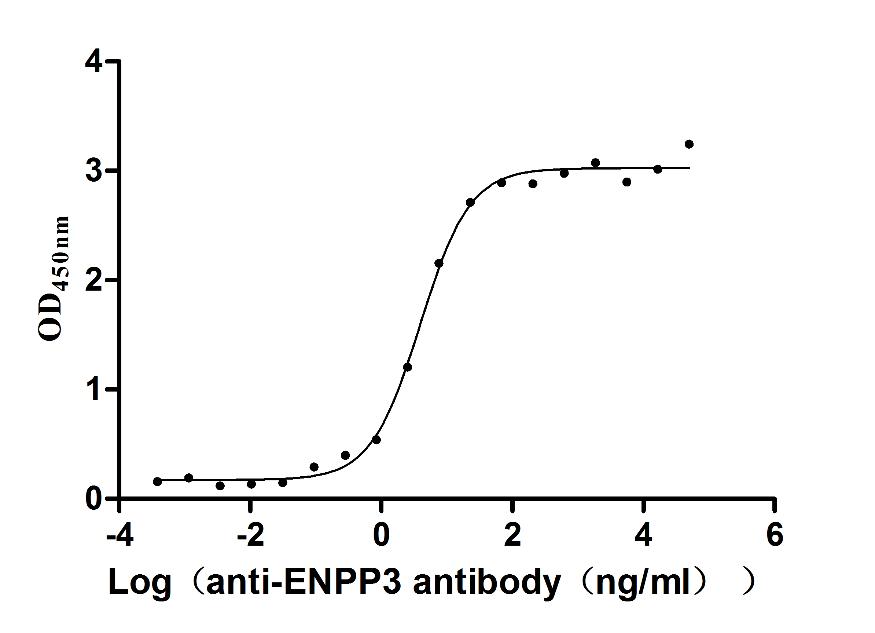
Express system: Mammalian cell
Species: Macaca fascicularis (Crab-eating macaque) (Cynomolgus monkey)
-
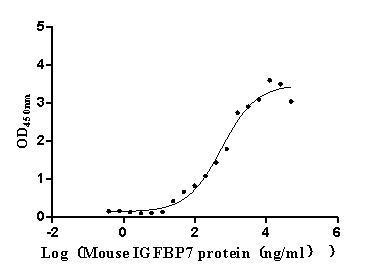
Recombinant Mouse Complement component C1q receptor (Cd93), partial (Active)
Express system: Mammalian cell
Species: Mus musculus (Mouse)
-
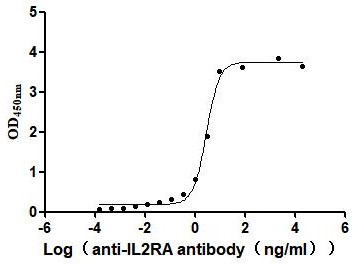
Recombinant Human Interleukin-2 receptor subunit alpha (IL2RA), partial (Active)
Express system: Mammalian cell
Species: Homo sapiens (Human)
-
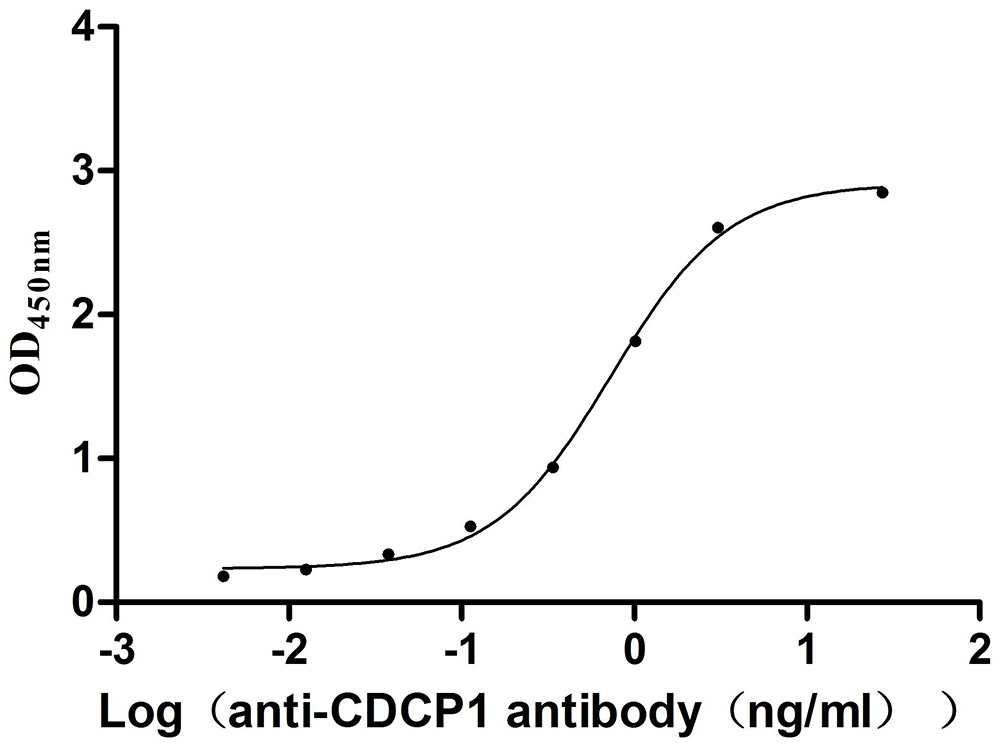
Recombinant Mouse CUB domain-containing protein 1 (Cdcp1), partial (Active)
Express system: Mammalian cell
Species: Mus musculus (Mouse)
-
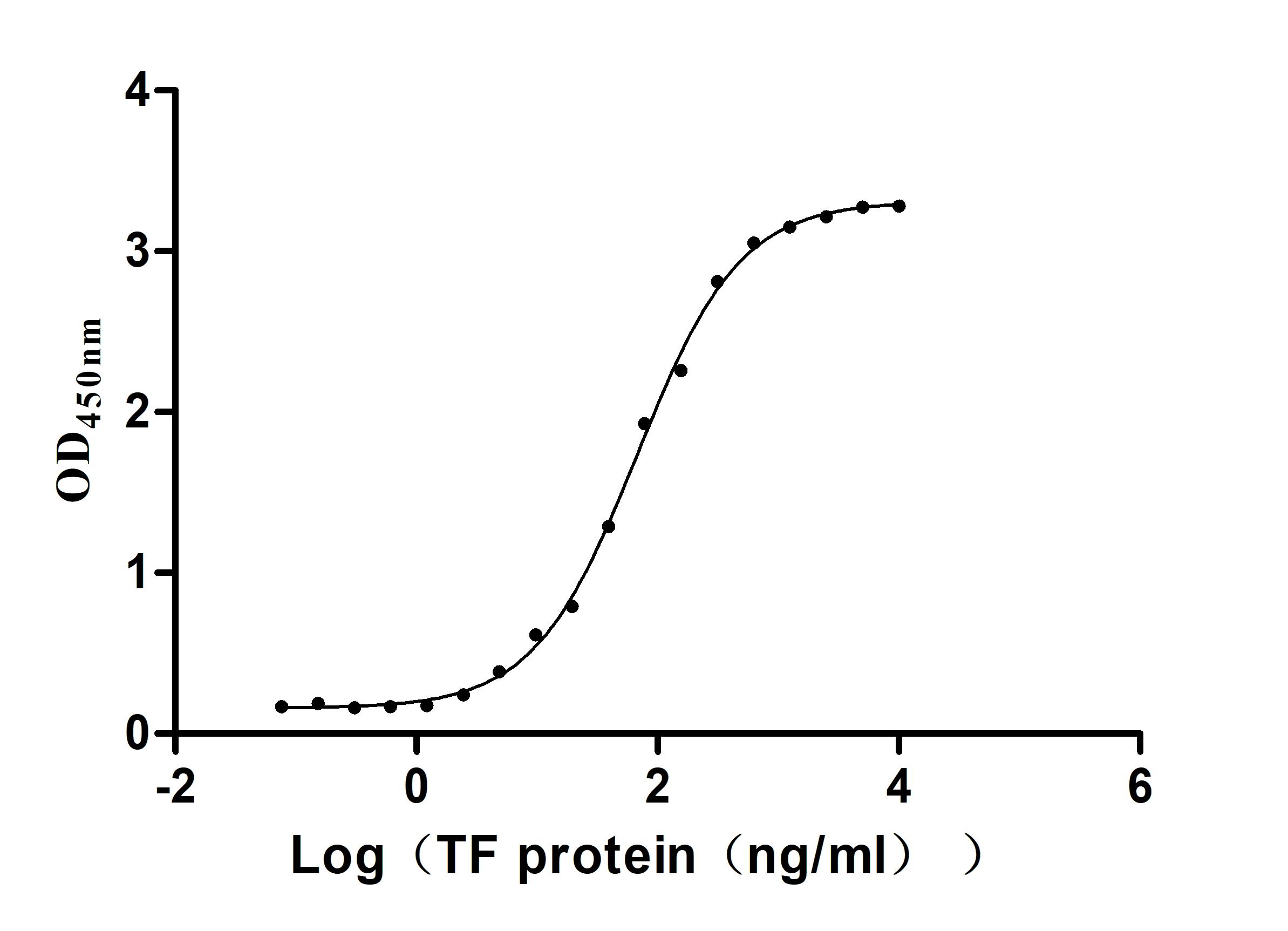
Recombinant Human Serotransferrin(TF) (Active)
Express system: Mammalian cell
Species: Homo sapiens (Human)
-