Recombinant Human Monocarboxylate transporter 5 (SLC16A4), partial
-
中文名稱:人SLC16A4重組蛋白
-
貨號:CSB-YP021411HU
-
規格:
-
來源:Yeast
-
其他:
-
中文名稱:人SLC16A4重組蛋白
-
貨號:CSB-EP021411HU-B
-
規格:
-
來源:E.coli
-
共軛:Avi-tag Biotinylated
E. coli biotin ligase (BirA) is highly specific in covalently attaching biotin to the 15 amino acid AviTag peptide. This recombinant protein was biotinylated in vivo by AviTag-BirA technology, which method is BriA catalyzes amide linkage between the biotin and the specific lysine of the AviTag.
-
其他:
-
中文名稱:人SLC16A4重組蛋白
-
貨號:CSB-BP021411HU
-
規格:
-
來源:Baculovirus
-
其他:
-
中文名稱:人SLC16A4重組蛋白
-
貨號:CSB-MP021411HU
-
規格:
-
來源:Mammalian cell
-
其他:
產品詳情
-
純度:>85% (SDS-PAGE)
-
基因名:SLC16A4
-
Uniprot No.:
-
別名:SLC16A4; MCT4; MCT5; Monocarboxylate transporter 5; MCT 5; Monocarboxylate transporter 4; MCT 4; Solute carrier family 16 member 4
-
種屬:Homo sapiens (Human)
-
蛋白長度:Partial
-
蛋白標簽:Tag?type?will?be?determined?during?the?manufacturing?process.
The tag type will be determined during production process. If you have specified tag type, please tell us and we will develop the specified tag preferentially. -
產品提供形式:Lyophilized powder
Note: We will preferentially ship the format that we have in stock, however, if you have any special requirement for the format, please remark your requirement when placing the order, we will prepare according to your demand. -
復溶:We recommend that this vial be briefly centrifuged prior to opening to bring the contents to the bottom. Please reconstitute protein in deionized sterile water to a concentration of 0.1-1.0 mg/mL.We recommend to add 5-50% of glycerol (final concentration) and aliquot for long-term storage at -20℃/-80℃. Our default final concentration of glycerol is 50%. Customers could use it as reference.
-
儲存條件:Store at -20°C/-80°C upon receipt, aliquoting is necessary for mutiple use. Avoid repeated freeze-thaw cycles.
-
保質期:The shelf life is related to many factors, storage state, buffer ingredients, storage temperature and the stability of the protein itself.
Generally, the shelf life of liquid form is 6 months at -20°C/-80°C. The shelf life of lyophilized form is 12 months at -20°C/-80°C. -
貨期:Delivery time may differ from different purchasing way or location, please kindly consult your local distributors for specific delivery time.Note: All of our proteins are default shipped with normal blue ice packs, if you request to ship with dry ice, please communicate with us in advance and extra fees will be charged.
-
注意事項:Repeated freezing and thawing is not recommended. Store working aliquots at 4°C for up to one week.
-
Datasheet :Please contact us to get it.
產品評價

相關產品
靶點詳情
-
功能:Proton-linked monocarboxylate transporter. Catalyzes the rapid transport across the plasma membrane of many monocarboxylates such as lactate, pyruvate, branched-chain oxo acids derived from leucine, valine and isoleucine, and the ketone bodies acetoacetate, beta-hydroxybutyrate and acetate.
-
基因功能參考文獻:
- MCT4 knockdown reduced the activation of Akt and increased Bax/Bcl-2 ratios, cytochrome c release and caspase-3 cleavage.Consequently, MCT4 could serve as a promising biomarker for esophageal squamous cell carcinoma to identify patients with poor prognosis PMID: 30226548
- High MCT-4 expression is associated with clear cell renal cell carcinoma. PMID: 29657088
- Nrf2 overexpression upregulated MCT1, but decreased MCT4 expression in premalignant and malignant colonic epithelial cells. PMID: 28846107
- These results demonstrate that Monocarboxylate transporters tend to play a role in the aggressive breast cancer subtypes through the dynamic interaction between breast cancer cells and adipocytes. PMID: 29775610
- Elevated MCT4 protein expression in clinical prostate cancer specimens was associated with increases in Gleason grade, prolonged treatment of patients with neoadjuvant hormone therapy, castration resistant prostate cancer, and early disease relapse. PMID: 26755530
- our finding that the expression of MCT1 and MCT4 is reduced in mutant IDH1 gliomas highlights the unusual metabolic reprogramming that occurs in mutant IDH1 tumors and has important implications for our understanding of these tumors and their treatment PMID: 27144334
- Results suggest that MCT4 plays a central role in tumor metabolism in gastric cancer (GC) with peritoneal carcinomatosis and targeting MCT4 in combination with chemotherapy could be a novel strategy in the treatment of GC. PMID: 27224918
- TOMM20, MCT1, and MCT4 expression was significantly different in Hodgkin and Reed Sternberg (HRS) cells. High MCT4 expression was found in tumor associated macrophages, but absent in HRS cells in all but one case. Tumor-infiltrating lymphocytes had absent MCT4 expression. Reactive lymph nodes in contrast to cHL tumors had low TOMM20, MCT1, and MCT4 expression in lymphocytes and macrophages. PMID: 29248133
- Stromal cells in diffuse large B-cell lymphoma samples strongly expressed MCT4, displaying a glycolytic phenotype, a feature not seen in stromal elements of non-neoplastic lymphatic tissue. PMID: 29248132
- The structures and functions of hMCT1 and hMCT4 transporters. PMID: 28559188
- MCT1 inhibitor AZD3965 increased MCT4-dependent accumulation of intracellular lactate, inhibiting monocarboxylate influx and efflux. PMID: 28923861
- The reversible H(+)/lactate(-) symporter MCT4 cotransports lactate and proton, leading to the net extrusion of lactic acid in glycolytic tumors. A model of its role in pH control in tumor cells is described. Review. PMID: 26944480
- Increased miR-210 and concomitant decreased ISCU RNA levels were found in ~40% of tumors and this was significantly associated with HIF-1alpha and CAIX, but not MCT1 or MCT4, over-expression. PMID: 28099149
- High expression of MCT4 is associated with inflammation in arsenite-induced liver carcinogenesis. PMID: 28419250
- The loss expression of Cav-1 on CAFs and the up-regulation of MCT4 may be the possible mechanisms of CAFs in tumorigenesis. PMID: 28625953
- MCT1 and MCT4 expression levels were associated with worse prognosis and shorter overall survival. PMID: 27105345
- We demonstrated that the expression levels of glycolysis-related proteins glucose transporter 1, hexokinase II, carbonic anhydrase IX, and monocarbonylate transporter 4 differ between thyroid cancer subtypes and are correlated with poorer prognosis PMID: 28347233
- Data suggest that inhibition of mnocarboxylate transporters MCT1 and MCT4 may have clinical relevance in pancreatic ductal adenocarcinoma (PDAC). PMID: 26765963
- MCT1 inhibition impairs proliferation of glycolytic breast cancer cells co-expressing MCT1 and MCT4 via disruption of pyruvate rather than lactate export. PMID: 26876179
- MCT1 expression was not clearly associated with overall or disease-free survival. MCT4 and CD147 expression correlate with worse prognosis across many cancer types. These results warrant further investigation of these associations PMID: 26779534
- Prognostic significance of CD147 protein expression could not surpass that of MCT4, especially of SLC16A3 DNA methylation, corroborating the role of MCT4 as prognostic biomarker for ccRCC. PMID: 26384346
- MCT4 expression is regulated by the PI3K-Akt signalling pathway and highly expressed in HER2-positive breast cancers where it regulates tumor cell metabolism and survival. PMID: 25965974
- Knockdown of MCT4 blocks lactate efflux to result in lactic acid accumulation and pH dropping, which is involved in triggering apoptosis in HUVECs. PMID: 26363456
- we showed that genetic disruption of Mct4 and/or Ampk dramatically reduced tumourigenicity in a xenograft mouse model suggesting a crucial role for these two actors in establishment of tumours in a nutrient-deprived environment PMID: 26059436
- synovial fibroblasts from patients with rheumatoid arthritis exhibited up-regulated transcription of MCT4 mRNA compared with osteoarthritis patients. Knockdown of MCT4 induced intrinsic apoptosis of fibroblasts, thereby inhibiting their proliferation. PMID: 26213210
- The first IF method has been developed and optimised for detection of MCT 1 and MCT4 in cancer patient circulating tumour cells . PMID: 25957999
- Findings demonstrate that the histidine residue His382 in the extracellular loop of the transporter is essential for pH regulation of MCT4-mediated substrate transport activity. PMID: 25919709
- Decreased astroglial monocarboxylate transporter 4 expression in temporal lobe epilepsy PMID: 24464262
- MCT4 expression can predict survival and trans-arterial chemoembolization treatment response for hepatocellular carcinoma patients. MCT4 plays a role in cell proliferation and migration/invasion. PMID: 25446815
- we sought to evaluate the associations of nine functional SNPs in genes encoding MCT1, MCT2, and MCT4 with the prognosis in a cohort of 500 Chinese NSCLC patients. PMID: 25578492
- High monocarboxylate transporter 4 protein expression in stromal cells is associated with invasiveness in gastric cancer. PMID: 25374230
- These results indicate there are no additional benefits of IHT when compared to similar normoxic training. Hence, the addition of the hypoxic stimulus on anaerobic performance or MCT expression after a three-week training period is ineffective. PMID: 24797797
- MCT4 upregulation correlated with the aggressive mesenchymal subset of glioblastoma (GBM), and MCT4 downregulation correlated with the less aggressive G-CIMP (Glioma CpG Methylator Phenotype) subset of GBM. PMID: 24077291
- MCT4 is up-regulated in inflammation-activated macrophages and required for innate immune response. PMID: 25406319
- Aberrant expression of MCT4 in carcinoma cells serves as a novel, independent prognostic factor for HCC, indicating a poorer patient outcome. PMID: 24433439
- MCT4 demonstrated the strongest deleterious impact on survival in triple negative breast cancer patients.MCT4 should serve as a new prognostic factor in node-negative breast cancers. PMID: 25058459
- The critical role of MCT4 in cell proliferation. PMID: 24498219
- Upregulation of MCT4 expression via SLC16A3 promoter DNA methylation is associated with clear cell renal cell carcinoma. PMID: 23881922
- Results suggest that Arginine-278 in transmembrane-spanning domains TMD8 is a critical residue involved in L-lactate recognition by monocarboxylate transporter 4 (hMCT4). PMID: 23935841
- Coexpression of CAIV with MCT1 and MCT4 resulted in a significant increase in MCT transport activity. PMID: 24338019
- Alterations in Cav-1 and MCT4 expression may mark a critical point in the progression from in situ to invasive breast cancer. PMID: 23907124
- MCT1 and MCT4 biomarkers were employed to determine the metabolic state of proliferative cancer cells. PMID: 23574725
- High MCT4 contributes to the growth of colorectal cancer with vascular endothelial growth factor. PMID: 23780984
- Overexpression of MCT4 is associated with gliomas. PMID: 23258846
- Report SNPs in MCT4 (SLC16A3) gene in the Chinese and Indian populations of Singapore. PMID: 22240841
- Combined application of GLUT-1, MCT-1, and MCT-4 immunohistochemistry might be useful in differentiating malignant pleural mesothelioma from reactive mesothelial hyperplasia. PMID: 23187830
- High GLUT1 plus high MCT4 expression indicated an aggressive tumor behavior in adenocarcinomas. PMID: 22153830
- Data suggest that MCT4 may serve as a novel metabolic target to reverse the Warburg effect and limit disease progression in renal cell carcinoma. PMID: 22362593
- Data show that a significant increase of MCT2 and MCT4 expression in the cytoplasm of tumour cells and a significant decrease in both MCT1 and CD147 expression in prostate tumour cells was observed when compared to normal tissue. PMID: 21787388
- both MCT1 and CD147, but not MCT4, were associated with GLUT1 and CAIX expression in a large series of invasive breast carcinoma samples PMID: 21870331
顯示更多
收起更多
-
亞細胞定位:Cell membrane; Multi-pass membrane protein.
-
蛋白家族:Major facilitator superfamily, Monocarboxylate porter (TC 2.A.1.13) family
-
數據庫鏈接:
Most popular with customers
-

Recombinant Human Intestinal-type alkaline phosphatase (ALPI) (Active)
Express system: Mammalian cell
Species: Homo sapiens (Human)
-
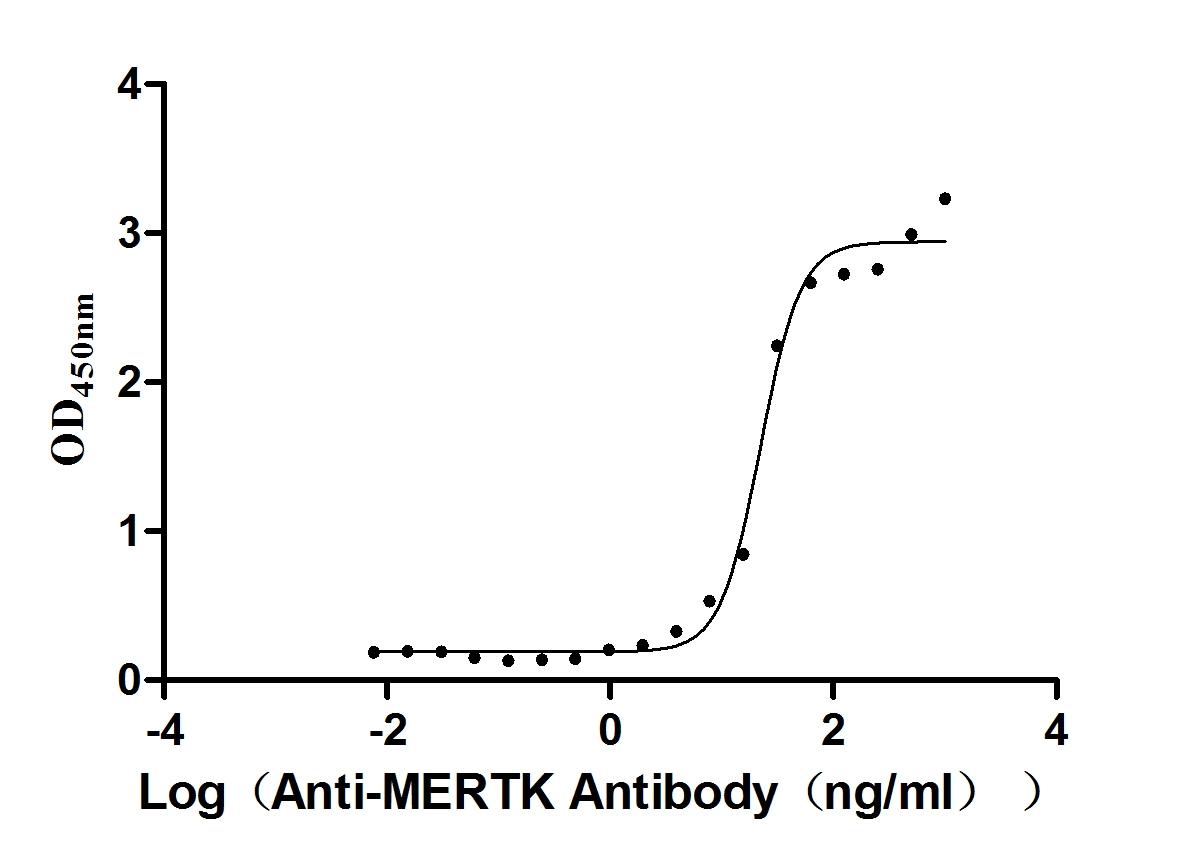
Recombinant Mouse Tyrosine-protein kinase Mer (Mertk), partial (Active)
Express system: Mammalian cell
Species: Mus musculus (Mouse)
-
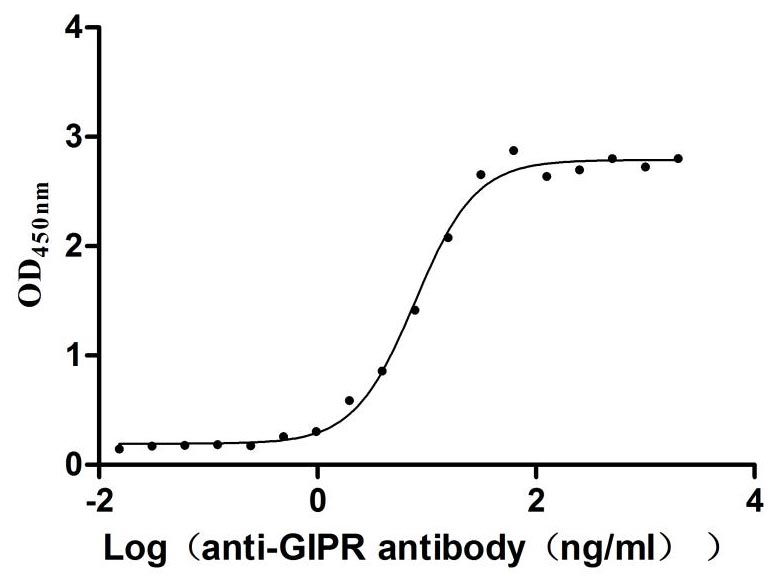
Recombinant Rat Gastric inhibitory polypeptide receptor (Gipr), partial (Active)
Express system: Mammalian cell
Species: Rattus norvegicus (Rat)
-
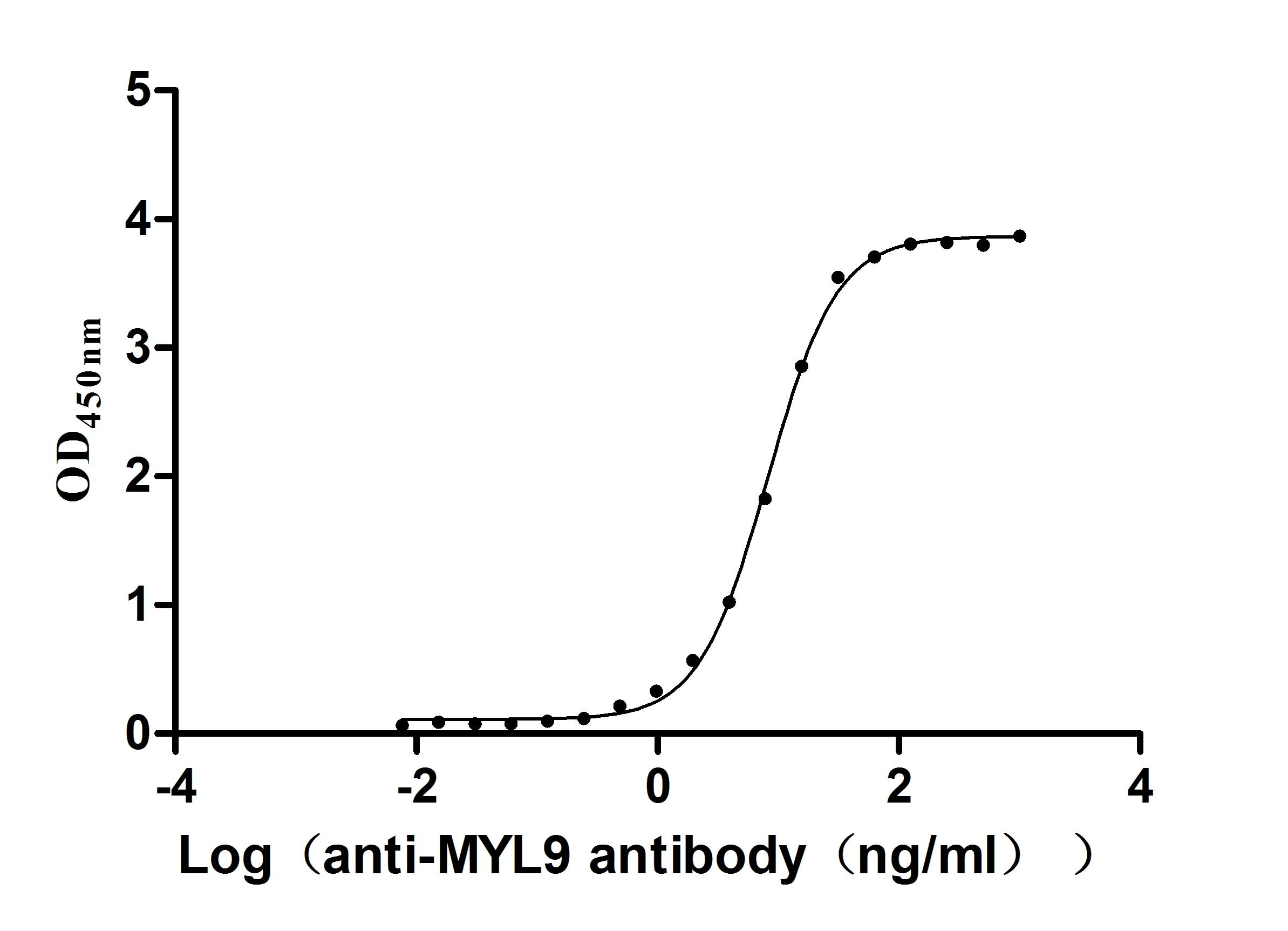
Recombinant Human Myosin regulatory light chain 12B (MYL12B) (Active)
Express system: E.coli
Species: Homo sapiens (Human)
-
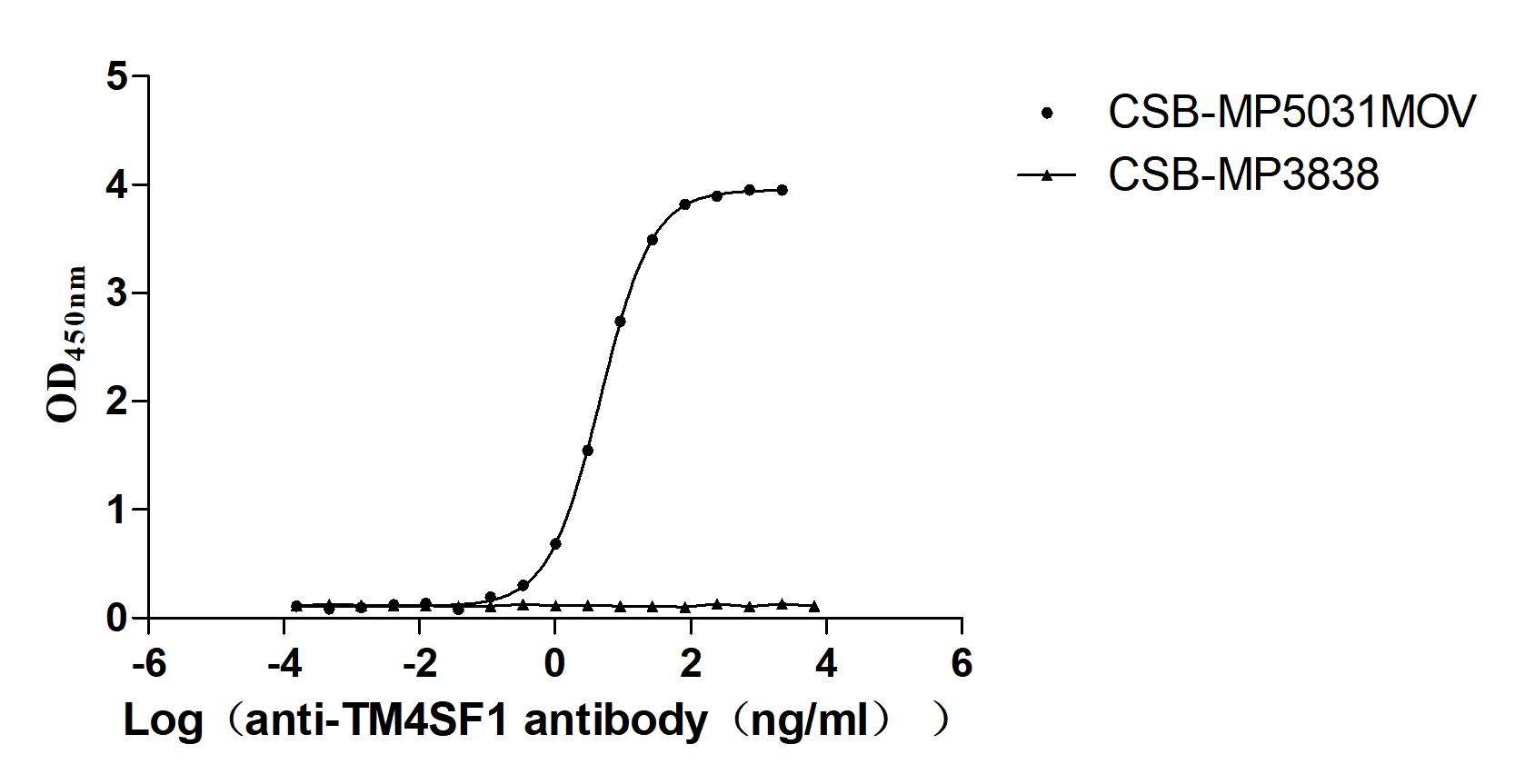
Recombinant Macaca fascicularis Transmembrane 4 L6 family member 1 (TM4SF1)-VLPs (Active)
Express system: Mammalian cell
Species: Macaca fascicularis (Crab-eating macaque) (Cynomolgus monkey)
-
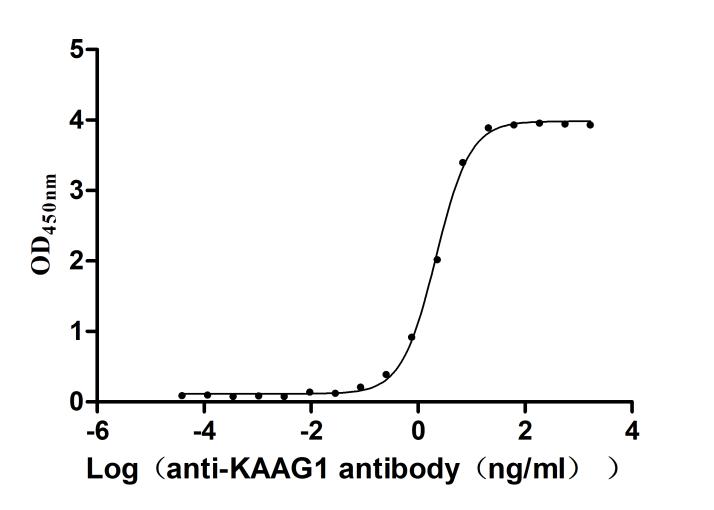
Recombinant Human Kidney-associated antigen 1 (KAAG1) (Active)
Express system: E.coli
Species: Homo sapiens (Human)
-
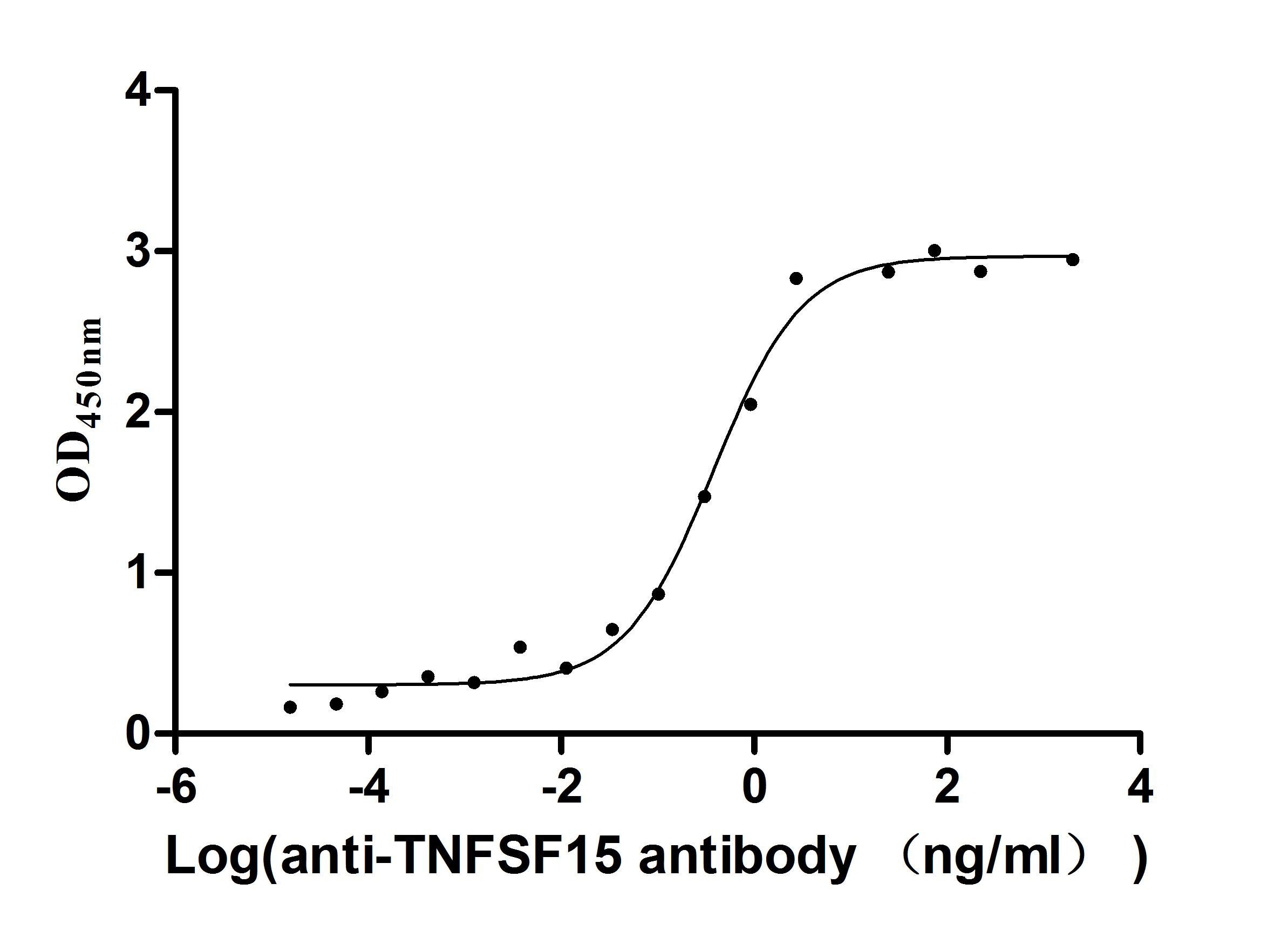
Express system: Mammalian cell
Species: Homo sapiens (Human)