Recombinant Human Calmodulin-regulated spectrin-associated protein 3 (CAMSAP3), partial
-
中文名稱:Recombinant Human Calmodulin-regulated spectrin-associated protein 3(CAMSAP3) ,partial
-
貨號:CSB-YP889175HU
-
規格:
-
來源:Yeast
-
其他:
-
中文名稱:Recombinant Human Calmodulin-regulated spectrin-associated protein 3(CAMSAP3) ,partial
-
貨號:CSB-EP889175HU
-
規格:
-
來源:E.coli
-
其他:
-
中文名稱:Recombinant Human Calmodulin-regulated spectrin-associated protein 3(CAMSAP3) ,partial
-
貨號:CSB-EP889175HU-B
-
規格:
-
來源:E.coli
-
共軛:Avi-tag Biotinylated
E. coli biotin ligase (BirA) is highly specific in covalently attaching biotin to the 15 amino acid AviTag peptide. This recombinant protein was biotinylated in vivo by AviTag-BirA technology, which method is BriA catalyzes amide linkage between the biotin and the specific lysine of the AviTag.
-
其他:
-
中文名稱:Recombinant Human Calmodulin-regulated spectrin-associated protein 3(CAMSAP3) ,partial
-
貨號:CSB-BP889175HU
-
規格:
-
來源:Baculovirus
-
其他:
-
中文名稱:Recombinant Human Calmodulin-regulated spectrin-associated protein 3(CAMSAP3) ,partial
-
貨號:CSB-MP889175HU
-
規格:
-
來源:Mammalian cell
-
其他:
產品詳情
-
純度:>85% (SDS-PAGE)
-
基因名:CAMSAP3
-
Uniprot No.:
-
別名:Calmodulin regulated spectrin associated protein family; member 3; Calmodulin-regulated spectrin-associated protein 3; CAMP3_HUMAN; KIAA1543; NEZHA; Protein Nezha
-
種屬:Homo sapiens (Human)
-
蛋白長度:Partial
-
蛋白標簽:Tag?type?will?be?determined?during?the?manufacturing?process.
The tag type will be determined during production process. If you have specified tag type, please tell us and we will develop the specified tag preferentially. -
產品提供形式:Lyophilized powder
Note: We will preferentially ship the format that we have in stock, however, if you have any special requirement for the format, please remark your requirement when placing the order, we will prepare according to your demand. -
復溶:We recommend that this vial be briefly centrifuged prior to opening to bring the contents to the bottom. Please reconstitute protein in deionized sterile water to a concentration of 0.1-1.0 mg/mL.We recommend to add 5-50% of glycerol (final concentration) and aliquot for long-term storage at -20℃/-80℃. Our default final concentration of glycerol is 50%. Customers could use it as reference.
-
儲存條件:Store at -20°C/-80°C upon receipt, aliquoting is necessary for mutiple use. Avoid repeated freeze-thaw cycles.
-
保質期:The shelf life is related to many factors, storage state, buffer ingredients, storage temperature and the stability of the protein itself.
Generally, the shelf life of liquid form is 6 months at -20°C/-80°C. The shelf life of lyophilized form is 12 months at -20°C/-80°C. -
貨期:Delivery time may differ from different purchasing way or location, please kindly consult your local distributors for specific delivery time.Note: All of our proteins are default shipped with normal blue ice packs, if you request to ship with dry ice, please communicate with us in advance and extra fees will be charged.
-
注意事項:Repeated freezing and thawing is not recommended. Store working aliquots at 4°C for up to one week.
-
Datasheet :Please contact us to get it.
產品評價

靶點詳情
-
功能:Key microtubule-organizing protein that specifically binds the minus-end of non-centrosomal microtubules and regulates their dynamics and organization. Specifically recognizes growing microtubule minus-ends and autonomously decorates and stabilizes microtubule lattice formed by microtubule minus-end polymerization. Acts on free microtubule minus-ends that are not capped by microtubule-nucleating proteins or other factors and protects microtubule minus-ends from depolymerization. In addition, it also reduces the velocity of microtubule polymerization. Required for the biogenesis and the maintenance of zonula adherens by anchoring the minus-end of microtubules to zonula adherens and by recruiting the kinesin KIFC3 to those junctional sites. Required for orienting the apical-to-basal polarity of microtubules in epithelial cells: acts by tethering non-centrosomal microtubules to the apical cortex, leading to their longitudinal orientation. Plays a key role in early embryos, which lack centrosomes: accumulates at the microtubule bridges that connect pairs of cells and enables the formation of a non-centrosomal microtubule-organizing center that directs intracellular transport in the early embryo. Couples non-centrosomal microtubules with actin: interaction with MACF1 at the minus ends of non-centrosomal microtubules, tethers the microtubules to actin filaments, regulating focal adhesion size and cell migration. Plays a key role in the generation of non-centrosomal microtubules by accumulating in the pericentrosomal region and cooperating with KATNA1 to release non-centrosomal microtubules from the centrosome. Through the microtubule cytoskeleton, also regulates the organization of cellular organelles including the Golgi and the early endosomes. Through interaction with AKAP9, involved in translocation of Golgi vesicles in epithelial cells, where microtubules are mainly non-centrosomal. Plays an important role in motile cilia function by facilitatating proper orientation of basal bodies and formation of central microtubule pairs in motile cilia.
-
基因功能參考文獻:
- data suggest that CDH23-C is a CAMSAP3/Marshalin-binding protein that can modify MT networks indirectly through its interaction with CAMSAP3/Marshalin. PMID: 27349180
- CAMSAP3-dependent Golgi vesicle clustering and graded microtubule dynamics PMID: 28089391
- in mammalian intestinal epithelial cells, the spectraplakin ACF7 (also known as MACF1) specifically binds to CAMSAP3 and is required for the apical localization of CAMSAP3-decorated microtubule minus ends. PMID: 27802168
- ACF7, a member of the spectraplakin family of cytoskeletal crosslinking proteins, interacts with Nezha (also called CAMSAP3) at the minus ends of noncentrosomal microtubules and anchors them to actin filaments. PMID: 27693509
- These findings demonstrate that apically localized CAMSAP3 determines the proper orientation of microtubules, and in turn that of organelles, in mature mammalian epithelial cells. PMID: 26715742
- The CKK domain binds microtubules and represents a domain that evolved with the metazoa. PMID: 19508979
- KIAA1543 is a non-centrosomal minus end binding protein. It is termed Nezha(a character in Chinese mythic novel (Journey to the West)). PMID: 19041755
顯示更多
收起更多
-
亞細胞定位:Cytoplasm, cytoskeleton. Cell junction, adherens junction. Cytoplasm. Cytoplasm, cytoskeleton, cilium axoneme. Cytoplasm, cytoskeleton, cilium basal body.
-
蛋白家族:CAMSAP1 family
-
數據庫鏈接:
Most popular with customers
-
Recombinant Human B-lymphocyte antigen CD20 (MS4A1)-VLPs (Active)
Express system: Mammalian cell
Species: Homo sapiens (Human)
-
Recombinant Rabbit Tissue factor pathway inhibitor (TFPI) (Active)
Express system: Mammalian cell
Species: Oryctolagus cuniculus (Rabbit)
-
Recombinant Macaca fascicularis CD93 molecule (CD93), partial (Active)
Express system: Mammalian cell
Species: Macaca fascicularis (Crab-eating macaque) (Cynomolgus monkey)
-
Recombinant Rat Gastric inhibitory polypeptide receptor (Gipr), partial (Active)
Express system: Mammalian cell
Species: Rattus norvegicus (Rat)
-
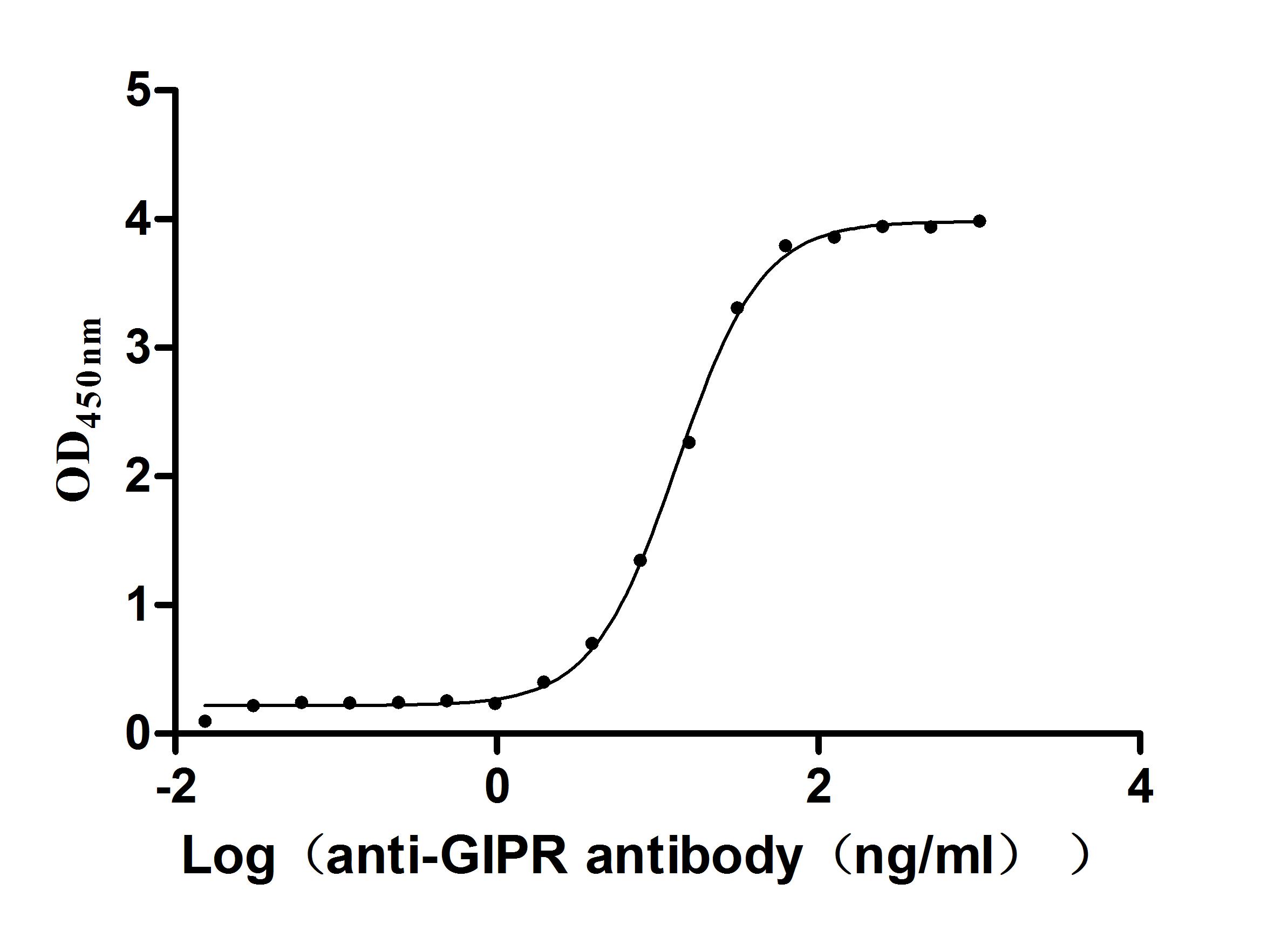
Recombinant Macaca fascicularis Gastric inhibitory polypeptide receptor (GIPR), partial (Active)
Express system: yeast
Species: Macaca fascicularis (Crab-eating macaque) (Cynomolgus monkey)
-
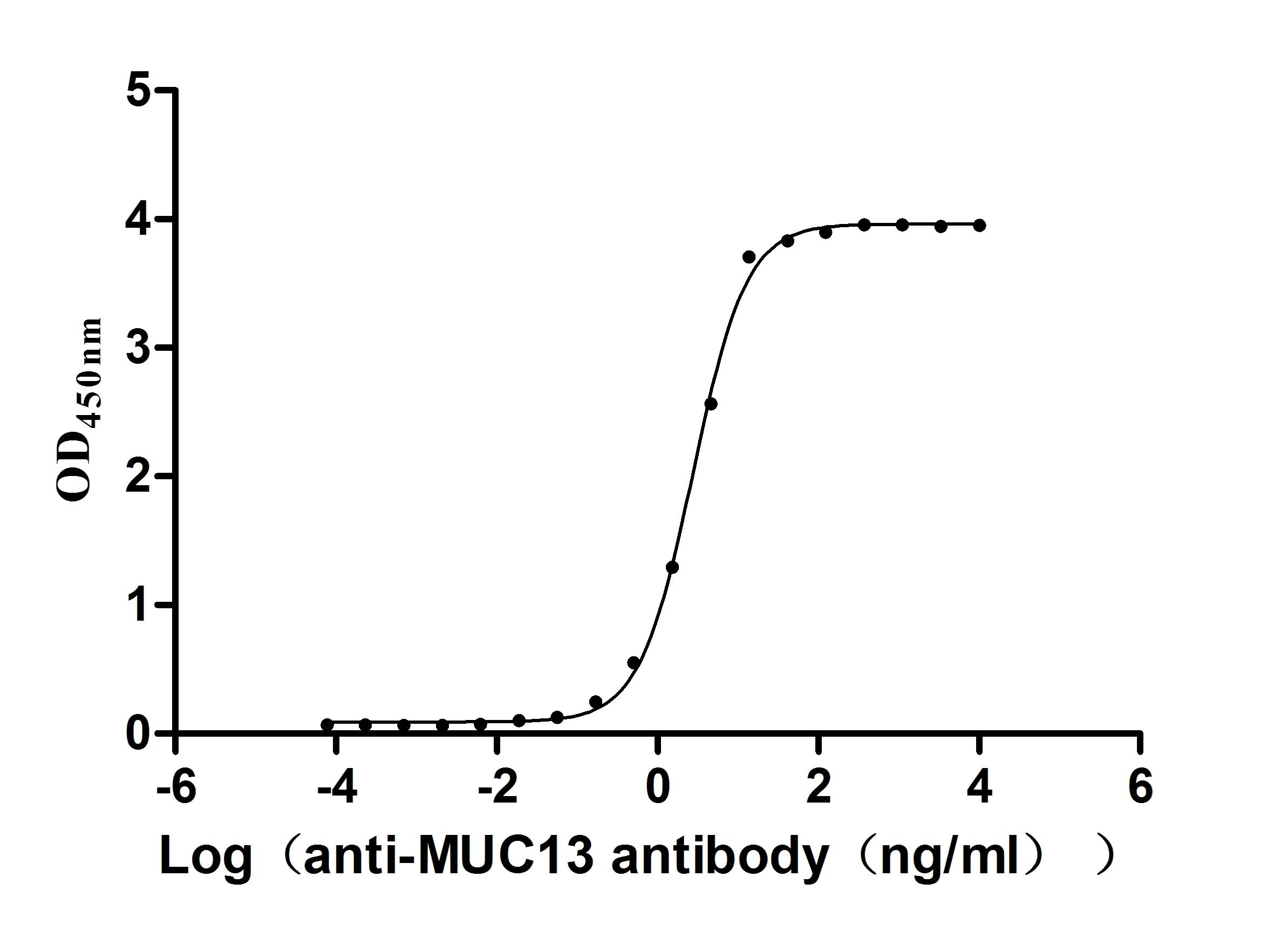
Recombinant Human Mucin-13(MUC13),partial (Active)
Express system: yeast
Species: Homo sapiens (Human)
-
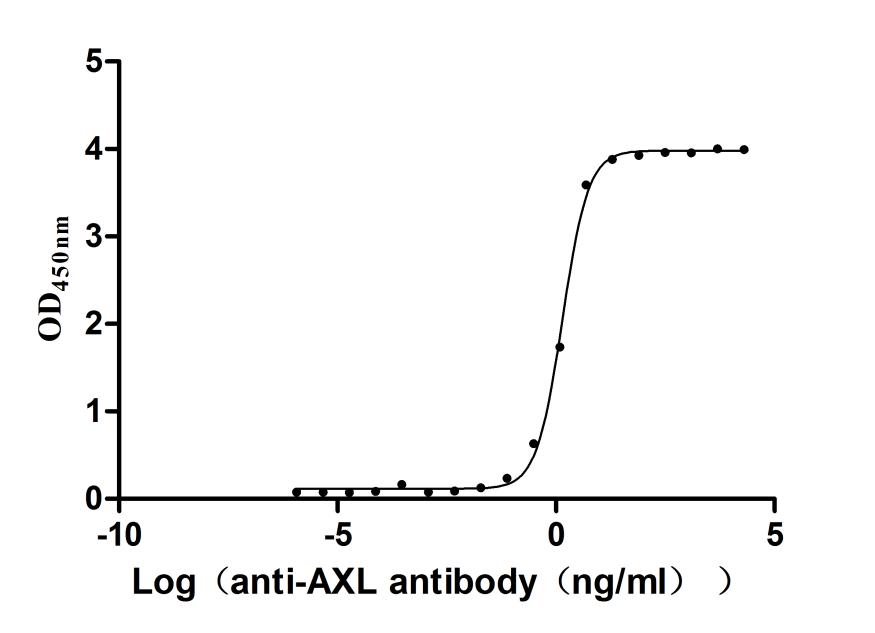
Recombinant Human Tyrosine-protein kinase receptor UFO(AXL),partial (Active)
Express system: Mammalian cell
Species: Homo sapiens (Human)