Recombinant Epstein-Barr virus Serine/threonine-protein kinase BGLF4 (BGLF4)
-
中文名稱:Recombinant Epstein-Barr virus Serine/threonine-protein kinase BGLF4 (BGLF4)
-
貨號(hào):CSB-YP313735EFC
-
規(guī)格:
-
來源:Yeast
-
其他:
-
中文名稱:Recombinant Epstein-Barr virus Serine/threonine-protein kinase BGLF4 (BGLF4)
-
貨號(hào):CSB-EP313735EFC
-
規(guī)格:
-
來源:E.coli
-
其他:
-
中文名稱:Recombinant Epstein-Barr virus Serine/threonine-protein kinase BGLF4 (BGLF4)
-
貨號(hào):CSB-EP313735EFC-B
-
規(guī)格:
-
來源:E.coli
-
共軛:Avi-tag Biotinylated
E. coli biotin ligase (BirA) is highly specific in covalently attaching biotin to the 15 amino acid AviTag peptide. This recombinant protein was biotinylated in vivo by AviTag-BirA technology, which method is BriA catalyzes amide linkage between the biotin and the specific lysine of the AviTag.
-
其他:
-
中文名稱:Recombinant Epstein-Barr virus Serine/threonine-protein kinase BGLF4 (BGLF4)
-
貨號(hào):CSB-BP313735EFC
-
規(guī)格:
-
來源:Baculovirus
-
其他:
-
中文名稱:Recombinant Epstein-Barr virus Serine/threonine-protein kinase BGLF4 (BGLF4)
-
貨號(hào):CSB-MP313735EFC
-
規(guī)格:
-
來源:Mammalian cell
-
其他:
產(chǎn)品詳情
-
純度:>85% (SDS-PAGE)
-
基因名:BGLF4
-
Uniprot No.:
-
別名:BGLF4Serine/threonine-protein kinase BGLF4; EC 2.7.11.1
-
種屬:Epstein-Barr virus (strain GD1) (HHV-4) (Human herpesvirus 4)
-
蛋白長(zhǎng)度:full length protein
-
表達(dá)區(qū)域:1-429
-
氨基酸序列MDVNMAAELS PTNSSSSGEL SVSPEPPRET QAFLGKVTVI DYFTFQHKHL KVTNIDDMTE TLYVKLPENM TRCDHLPITC EYLLGRGSYG AVYAHADNAT VKLYDSVTEL YHELMVCDMI QIGKATAEDG QDKALVDYLS ACTSCHALFM PQFRCSLQDY GHWHDGSIEP LVRGFQGLKD AVYFLNRHCG LFHSDISPSN ILVDFTDTMW GMGRLVLTDY GTASLHDRNK MLDVRLKSSK GRQLYRLYCQ REPFSIAKDT YKPLCLLSKC YILRGAGHIP DPSACGPVGA QTALRLDLQS LGYSLLYGIM HLADSTHKIP YPNPDMGFDR SDPLYFLQFA APKVVLLEVL SQMWNLNLDM GLTSCGESPC VDVTAEHMSQ FLQWCRSLKK RFKESYFFNC RPRFEHPHLP GLVAELLADD FFGPDGRRG
-
蛋白標(biāo)簽:Tag?type?will?be?determined?during?the?manufacturing?process.
The tag type will be determined during production process. If you have specified tag type, please tell us and we will develop the specified tag preferentially. -
產(chǎn)品提供形式:Lyophilized powder
Note: We will preferentially ship the format that we have in stock, however, if you have any special requirement for the format, please remark your requirement when placing the order, we will prepare according to your demand. -
復(fù)溶:We recommend that this vial be briefly centrifuged prior to opening to bring the contents to the bottom. Please reconstitute protein in deionized sterile water to a concentration of 0.1-1.0 mg/mL.We recommend to add 5-50% of glycerol (final concentration) and aliquot for long-term storage at -20℃/-80℃. Our default final concentration of glycerol is 50%. Customers could use it as reference.
-
儲(chǔ)存條件:Store at -20°C/-80°C upon receipt, aliquoting is necessary for mutiple use. Avoid repeated freeze-thaw cycles.
-
保質(zhì)期:The shelf life is related to many factors, storage state, buffer ingredients, storage temperature and the stability of the protein itself.
Generally, the shelf life of liquid form is 6 months at -20°C/-80°C. The shelf life of lyophilized form is 12 months at -20°C/-80°C. -
貨期:Delivery time may differ from different purchasing way or location, please kindly consult your local distributors for specific delivery time.Note: All of our proteins are default shipped with normal blue ice packs, if you request to ship with dry ice, please communicate with us in advance and extra fees will be charged.
-
注意事項(xiàng):Repeated freezing and thawing is not recommended. Store working aliquots at 4°C for up to one week.
-
Datasheet :Please contact us to get it.
產(chǎn)品評(píng)價(jià)

靶點(diǎn)詳情
-
功能:Plays many key roles by phosphorylating several proteins including the viral DNA processivity factor BMRF1, EBNA1 or EBNA2. Modifies the host nuclear envelope structure and induces the redistribution of nuclear envelope-associated proteins by phosphorylating host nucleoporins. Subsequently, promotes the nuclear transport of EBV lytic proteins. Required for efficient lytic DNA replication and release of nucleocapsids from the nucleus. Contributes to the compaction of host cell chromatin in cells undergoing lytic replication, presumably by phosphorylating the host condensin complex and host TOP2A. Induces disassembly of the nuclear lamina by phosphorylating with host LMNA. Phosphorylates substrates involved in capsid assembly and DNA packaging. Facilitates the switch from latent to lytic DNA replication by down-regulating EBNA1 replication function. Phosphorylates the viral immediate-early protein BZLF1 and inhibits its sumoylation by interacting with host SUMO1 and SUMO2. Phosphorylates also host SAMHD1 and thereby counteracts its antiviral effect by reducing its dNTP hydrolase activity.
-
基因功能參考文獻(xiàn):
- The region of aa 250-295 of BGLF4 is essential for the BGLF4/Hsp90 interaction. PMID: 26982469
- The data presented here suggest that BGLF4 interferes with the normal functions of Nup62 and Nup153 and preferentially helps the nuclear import of viral proteins for viral DNA replication and assembly. PMID: 25410863
- Epstein-Barr virus BGLF4 kinase downregulates NF-kappaB transactivation through phosphorylation of coactivator UXT PMID: 22933289
- BGLF4 may directly or indirectly induce a DNA damage signal that eventually interferes with host DNA synthesis and delays S-phase progression. PMID: 22768064
- SUMO2 binding by the Epstein-Barr virus protein kinase BGLF4 is crucial for BGLF4 function. PMID: 22398289
- During Epstein-Barr virus replication, TIP60 activation by the BGLF4 kinase triggers Epstein-Barr virus-induced DNA damage response and also mediates induction of viral lytic gene expression. PMID: 22018239
- Site-directed mutagenesis has been employed to generate mutations targeting residues involved in nuclear localization of the EBV-PK. PMID: 20704565
- different promoter usage and 5'UTR-mediated translation enhancement may ensure the proper expression of BGLF4 at various stages of virus replication PMID: 20444992
- Epstein-Barr virus kinase BGLF4 regulates microtubule dynamics through phosphorylation on stathmin PMID: 20110360
- These results suggest that essential roles of Epstein-Barr virus BGLF4 during lytic viral replication include the phosphorylation and dispersion of lamin A/C. PMID: 20147387
- These data show that Epstein-Barr virus BGLF4 (protein kinase) but not BXLF1 (thymidine kinase) mediates acyclovir and ganciclovir susceptibilities. PMID: 20181711
- These results suggest that the sumoylation of BZLF1 helps to promote viral latency, and that Epstein-Barr virus protein kinase inhibits BZLF1 sumoylation during viral reactivation. PMID: 20181712
- it was found that aa 1-26 of BGLF4 are dispensable for EA-D phosphorylation, whereas deletion of aa 27-70 reduced kinase activity. PMID: 16298966
- phosphorylation of the MCM complex by redundant actions of CDK and EBV-PK during lytic replication might provide one mechanism to block chromosomal DNA replication in the infected cells through inactivation of DNA unwinding by the MCM4-6-7 complex. PMID: 17005684
- BGLF4 interacts with condensin complexes and induces condensin phosphorylation at Cdc2 consensus motifs. BGLF4 also stimulates the decatenation activity of topoisomerase II and induces chromosome condensation. PMID: 17360754
- Our results provide evidence that EBV protein kinase (BGLF4) plays an important role in nuclear egress of the virus and ultimately is crucial for lytic virus replication. PMID: 17360761
- BGLF4 kinase phosphorylates lamin A/C to promote the reorganization of the nuclear lamina. PMID: 18815303
- The data presented here thus suggest a novel mechanism by which herpesviral protein kinases suppress host innate immune responses and facilitate virus replication. PMID: 19052084
- BGLF4 contributes to effective EBV lytic cycle progression, not only through phosphorylation of EBV lytic DNA replication and virion proteins, but also by interfering with the EBNA1 replication function. PMID: 19244323
- These results indicate that formation of a stable complex of BGLF4-BZLF1 enables downregulation of BZLF1 autoregulation activity and it appears that BGLF4 phosphorylation of BZLF1 may be involved in these processes. PMID: 19321754
- The kinase activity of the BGLF4 gene product plays an important role in virus maturation during virus lytic infection. PMID: 19427010
- Data suggest that the BGLF4/BGLF5 enzyme pair builds a regulatory loop that allows fine-tuning of virus protein production, which is required for efficient viral replication. PMID: 19710145
顯示更多
收起更多
-
亞細(xì)胞定位:Virion tegument. Host nucleus.
-
蛋白家族:Protein kinase superfamily, Ser/Thr protein kinase family
-
數(shù)據(jù)庫(kù)鏈接:
KEGG: vg:3783704
Most popular with customers
-
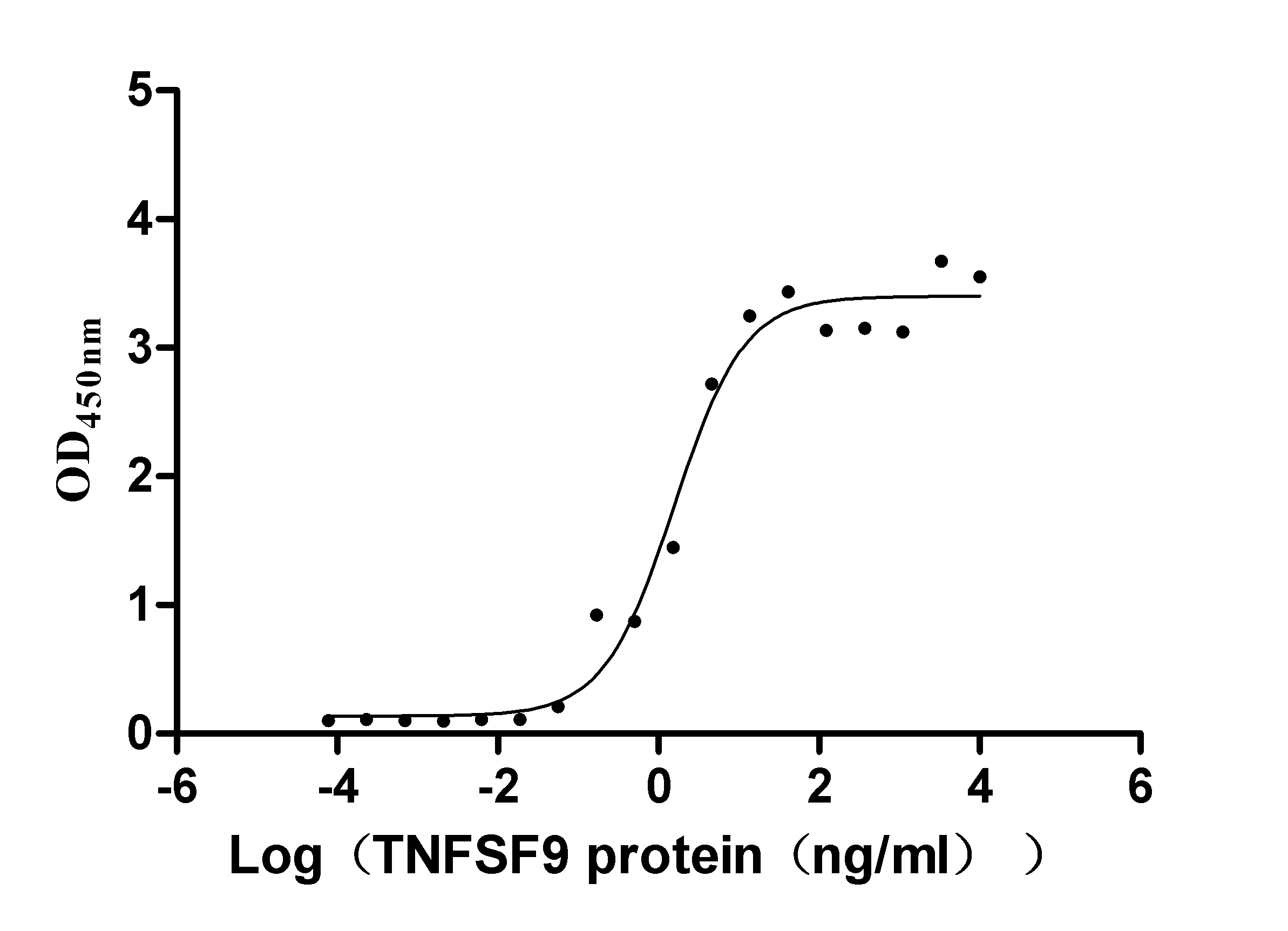
Recombinant Human Tumor necrosis factor receptor superfamily member 9 (TNFRSF9), partial (Active)
Express system: Mammalian cell
Species: Homo sapiens (Human)
-

Recombinant Human Intestinal-type alkaline phosphatase (ALPI) (Active)
Express system: Mammalian cell
Species: Homo sapiens (Human)
-
Recombinant Rat Intestinal-type alkaline phosphatase 1 (Alpi) (Active)
Express system: Mammalian cell
Species: Rattus norvegicus (Rat)
-
-AC1.jpg)
Recombinant Human Interleukin-17A (IL17A) (T26A) (Active)
Express system: Baculovirus
Species: Homo sapiens (Human)
-
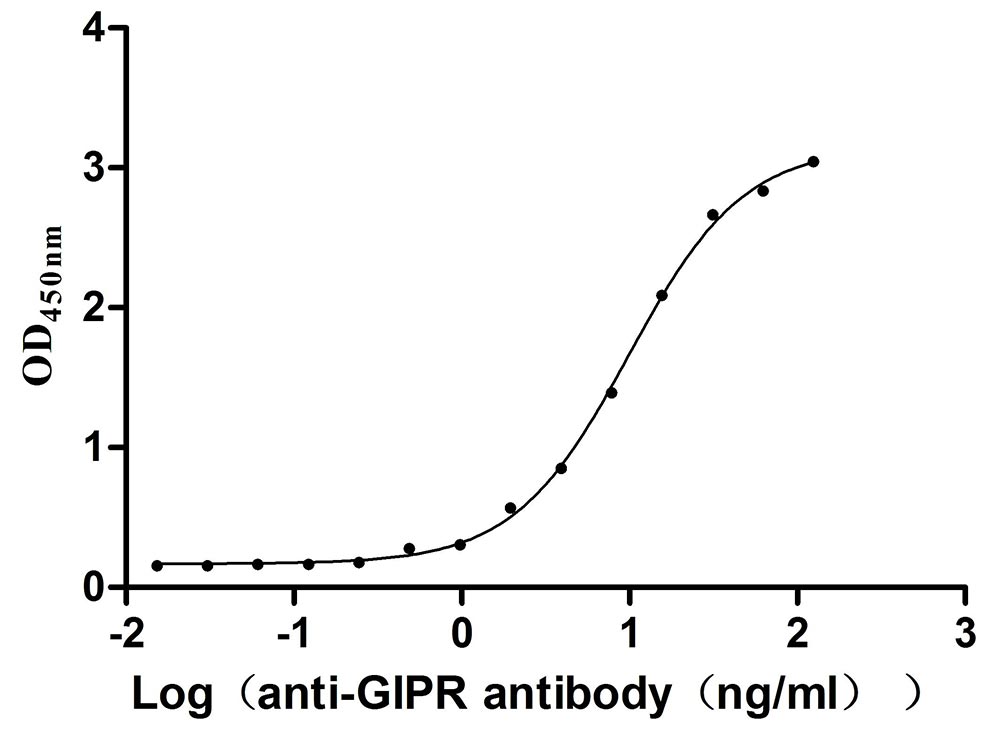
Recombinant Mouse Gastric inhibitory polypeptide receptor (Gipr), partial (Active)
Express system: Mammalian cell
Species: Mus musculus (Mouse)
-
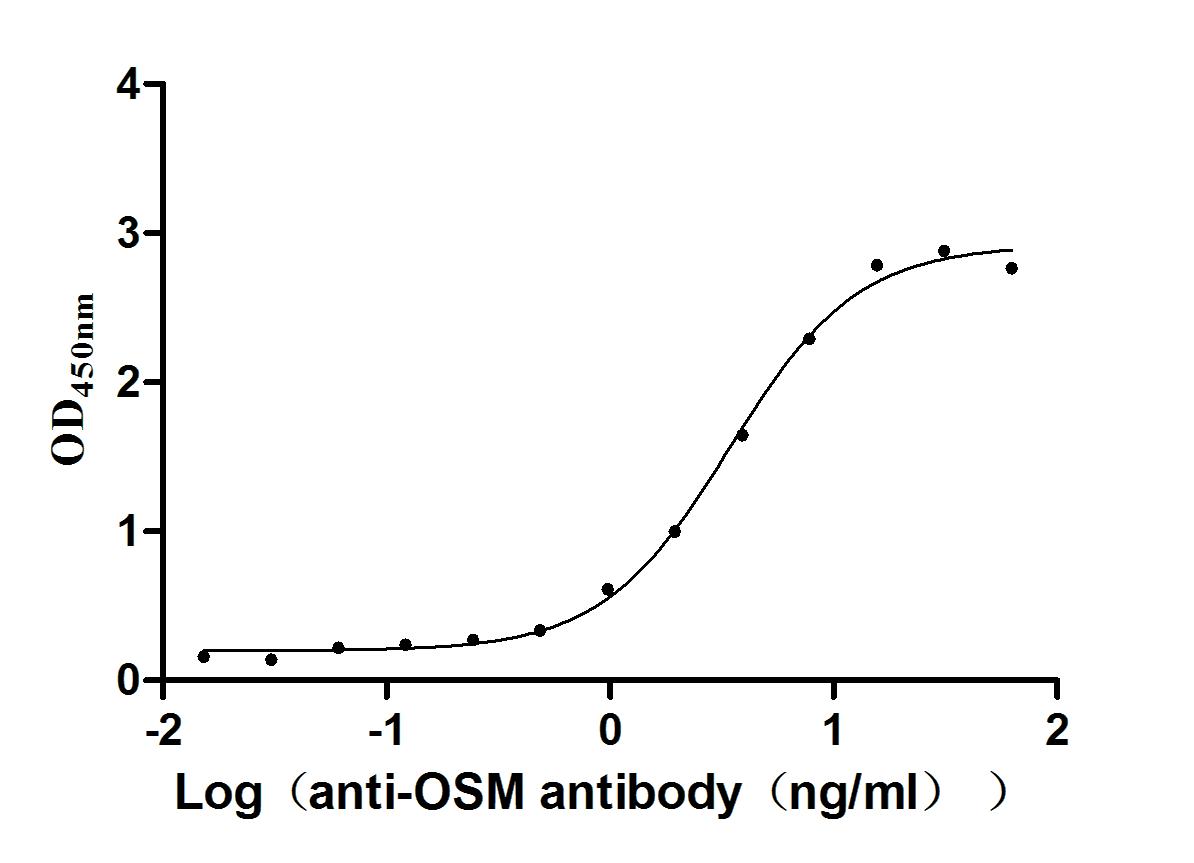
Recombinant Human Oncostatin-M (OSM), partial (Active)
Express system: Mammalian cell
Species: Homo sapiens (Human)
-
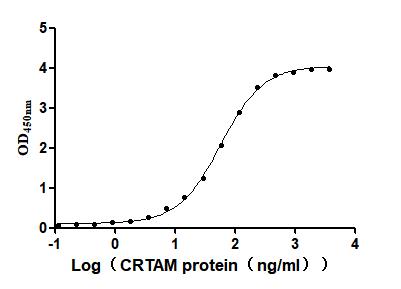
Recombinant Mouse Cytotoxic and regulatory T-cell molecule (Crtam), partial (Active)
Express system: Mammalian cell
Species: Mus musculus (Mouse)
-
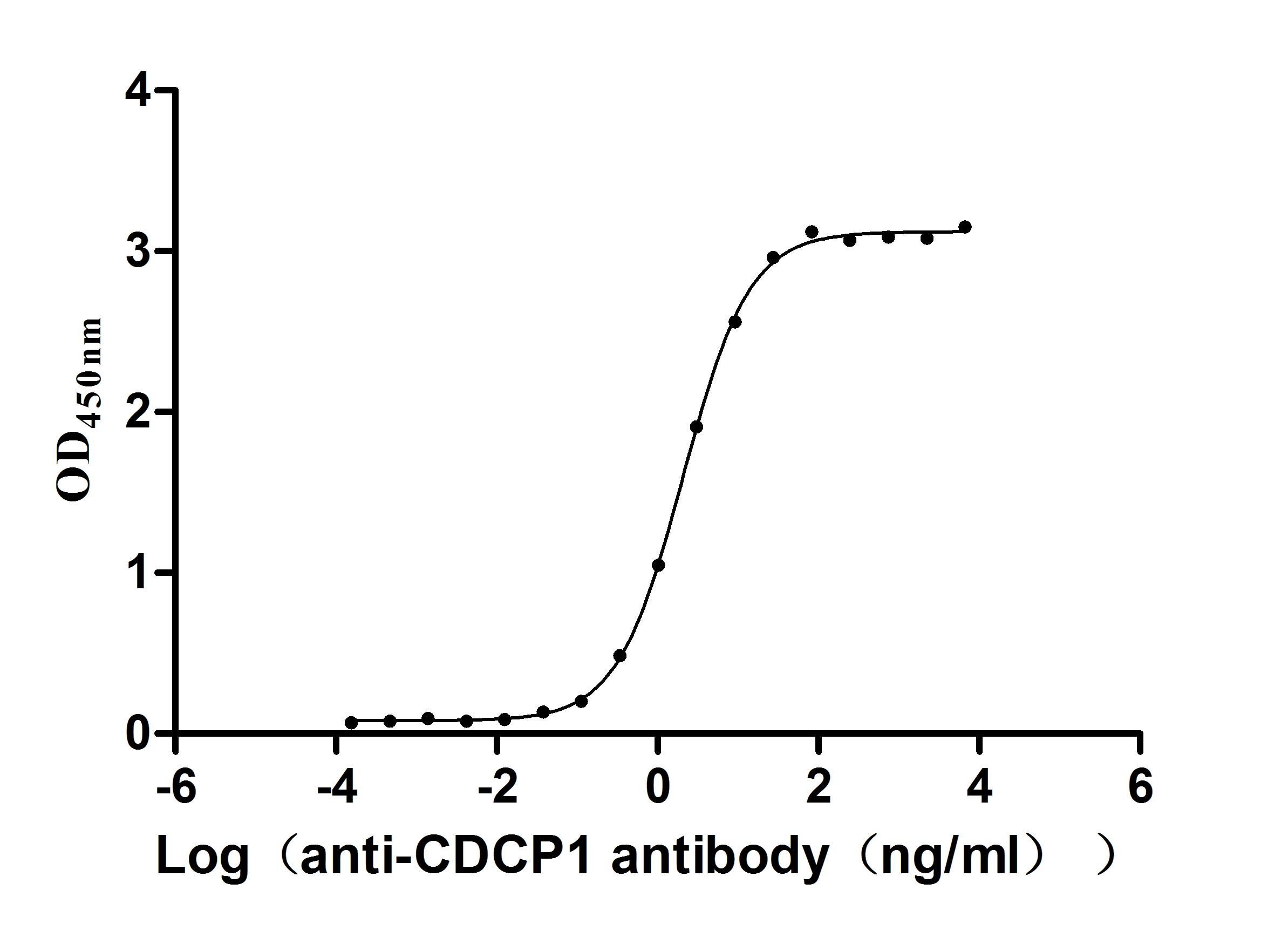
Recombinant Macaca fascicularis CUB domain containing protein 1 (CDCP1), partial (Active)
Express system: Mammalian cell
Species: Macaca fascicularis (Crab-eating macaque) (Cynomolgus monkey)