Recombinant Human Pituitary adenylate cyclase-activating polypeptide type I receptor (ADCYAP1R1)
-
中文名稱:Recombinant Human Pituitary adenylate cyclase-activating polypeptide type I receptor(ADCYAP1R1)
-
貨號(hào):CSB-CF001347HU
-
規(guī)格:
-
來(lái)源:in vitro E.coli expression system
-
其他:
產(chǎn)品詳情
-
基因名:
-
Uniprot No.:
-
別名:ADCYAP1R1; Pituitary adenylate cyclase-activating polypeptide type I receptor; PACAP type I receptor; PACAP-R-1; PACAP-R1
-
種屬:Homo sapiens (Human)
-
蛋白長(zhǎng)度:Full Length of Mature Protein
-
表達(dá)區(qū)域:21-468
-
氨基酸序列MHSDCIFKKEQAMCLEKIQRANELMGFNDSSPGCPGMWDNITCWKPAHVGEMVLVSCPEL FRIFNPDQVWETETIGESDFGDSNSLDLSDMGVVSRNCTEDGWSEPFPHYFDACGFDEYE SETGDQDYYYLSVKALYTVGYSTSLVTLTTAMVILCRFRKLHCTRNFIHMNLFVSFMLRA ISVFIKDWILYAEQDSNHCFISTVECKAVMVFFHYCVVSNYFWLFIEGLYLFTLLVETFF PERRYFYWYTIIGWGTPTVCVTVWATLRLYFDDTGCWDMNDSTALWWVIKGPVVGSIMVN FVLFIGIIVILVQKLQSPDMGGNESSIYLRLARSTLLLIPLFGIHYTVFAFSPENVSKRE RLVFELGLGSFQGFVVAVLYCFLNGEVQAEIKRKWRSWKVNRYFAVDFKHRHPSLASSGV NGGTQLSILSKSSSQIRMSGLPADNLAT
Note: The complete sequence may include tag sequence, target protein sequence, linker sequence and extra sequence that is translated with the protein sequence for the purpose(s) of secretion, stability, solubility, etc.
If the exact amino acid sequence of this recombinant protein is critical to your application, please explicitly request the full and complete sequence of this protein before ordering. -
蛋白標(biāo)簽:N-terminal 10xHis-tagged
-
產(chǎn)品提供形式:Liquid or Lyophilized powder
Note: We will preferentially ship the format that we have in stock, however, if you have any special requirement for the format, please remark your requirement when placing the order, we will prepare according to your demand. -
緩沖液:Lyophilized from Tris/PBS-based buffer, 6% Trehalose, pH 8.0
-
儲(chǔ)存條件:Store at -20°C/-80°C upon receipt, aliquoting is necessary for mutiple use. Avoid repeated freeze-thaw cycles.
-
保質(zhì)期:The shelf life is related to many factors, storage state, buffer ingredients, storage temperature and the stability of the protein itself.
Generally, the shelf life of liquid form is 6 months at -20°C/-80°C. The shelf life of lyophilized form is 12 months at -20°C/-80°C. -
貨期:Basically, we can dispatch the products out in 1-3 working days after receiving your orders. Delivery time may differ from different purchasing way or location, please kindly consult your local distributors for specific delivery time.Note: All of our proteins are default shipped with normal blue ice packs, if you request to ship with dry ice, please communicate with us in advance and extra fees will be charged.
-
注意事項(xiàng):Repeated freezing and thawing is not recommended. Store working aliquots at 4°C for up to one week.
-
Datasheet & COA:Please contact us to get it.
產(chǎn)品評(píng)價(jià)

相關(guān)產(chǎn)品
靶點(diǎn)詳情
-
功能:This is a receptor for PACAP-27 and PACAP-38. The activity of this receptor is mediated by G proteins which activate adenylyl cyclase. May regulate the release of adrenocorticotropin, luteinizing hormone, growth hormone, prolactin, epinephrine, and catecholamine. May play a role in spermatogenesis and sperm motility. Causes smooth muscle relaxation and secretion in the gastrointestinal tract.
-
基因功能參考文獻(xiàn):
- These results show that b-arrestin1 and b-arrestin2 exert differential actions on PAC1R internalization and PAC1R-dependent ERK1/2 activation, and suggest that the two b-arrestin isoforms may be involved in fine and precise tuning of the PAC1R signaling pathways. PMID: 29734363
- Studies suggest that the level of stress and circulating gonadal hormones may differentially regulate the PACAPergic system in males and females to influence anxiety-like behavior and may be one mechanism underlying the discrepancies in human psychiatric disorders. [Review Article] PMID: 28610473
- These results provide evidence for an association between ADCYAP1R1 and PTSD and indicate that there may indeed be sex differences. PMID: 28746747
- These findings lead to a model in which E2 induces the expression of ADCYAP1R1 through binding of ERalpha at the ERE as an adaptive response to stress. Inhibition of E2/ERalpha binding to the ERE containing the rs2267735 risk allele results in reduced expression of ADCYAP1R1, diminishing estrogen regulation as an adaptive stress response and increasing risk for PTSD. PMID: 27959335
- Data suggest that GCGR (glucagon receptor) activation proceeds via a mechanism in which transmembrane helix 6 (TM6) is held in an inactive conformation by a conserved polar core and a hydrophobic lock (involving intracellular loop 3, IC3); mutations in the corresponding polar core of GCGR or PAC1R disrupt these inhibitory elements, allow TM6 to swing outward, and induce constitutive G protein signaling. PMID: 28356352
- Results confirmed for the first time that doxycycline specially targeted pituitary adenylate cyclase-activating polypeptide (PACAP) receptor type 1 (PAC1) imitating PACAP(30-37) and acted as an enhancer by facilitating the subsequent ligand binding and the activation of PAC1. PMID: 26700245
- Rsults suggest that impaired contextual conditioning in the hippocampal formation may mediate the association between type I receptor of the pituitary adenylate cyclase activating polypeptideand and posttraumatic stress disorder symptoms. PMID: 25680674
- Data show that glucocorticoid response genes NR3C1, ADCYAP1R1 and HSD11B2 were relatively hypomethylated whereas FKBP5 was hypermethylated. PMID: 26343289
- Further investigations of genetic factors for trauma-related psychopathology should include careful assessments of the social environment PMID: 26334183
- High child stress and an ADCYAP1R1 single-nucleotide polymorphism are associated with reduced bronchodilator response in children with asthma. PMID: 25918834
- and its receptor (PAC1) are involved in stress response and anxiety. PMID: 23972788
- association of variants with sudden infant death not supported PMID: 23981011
- PAC1/PACAP receptor endocytosis contributes to ERK acktivation. PMID: 24696141
- This review focuses on role of PAC1 receptor in brain development, behavior of transgenic animals and potential implication in human neurodevelopmental disorders. PMID: 24220567
- PAC1 receptor (ADCYAP1R1) genotype is associated with dark-enhanced startle in both male and female children. PMID: 22776899
- Individual differences in ADCYAP1R1 genotype may contribute to dysregulated fear circuitry known to play a central role in posttraumatic stress disorder and other anxiety disorders. PMID: 24516127
- Data indicate that VIP and PACAP increased macrophage resistance to HIV-1 replication by inducing the synthesis of beta-chemokines CCL3 and CCL5 and IL-10 following preferential activation of the receptors VPAC2 and PAC1. PMID: 23818986
- The findings suggest that the PACAP-PAC1 receptor pathway may play an important role in female human responses to traumatic stress PMID: 23394710
- ADCYAP1R1 genotype may have a role in post-traumatic stress symptoms in highly traumatized African-American females PMID: 23505260
- Genetic variation at the ADCYAP1R1 locus interacts with child abuse to shape risk of later posttraumatic stress disorder (PTSD) in women. PMID: 23280952
- Epigenetic and genetic variants in ADVYAP1R1 are associated with asthma in Puerto Rican children. PMID: 23328528
- [review] The Adcyap1r1 receptor single nucleotide polymorphism (SNP) is located within a predicted estrogen response element (ERE). PMID: 23147486
- Conclude that VPAC2/PAC1 receptors require NO in series to effect cutaneous active vasodilation during heat stress in humans. PMID: 22961270
- The increased expressions of PAC1 receptors on lactating breast may indicate a PACAP38/PAC1 interaction in the mammary gland during lactation. PMID: 22539193
- PAC1 regulates PYK-2 tyrosine phosphorylation in a calcium-dependent manner in lung cancer cell lines. PMID: 22581436
- Activation of Sp1 by the Ras/MAPK pathway might participate in neuron specific expression of the PAC1 gene. PMID: 22609358
- A reported association between rs2267735 and PTSD could not be replicated in either African American or European American females in two large independent samples. PMID: 21912390
- The present study constitutes the first characterization of the binding domains of PACAP to its specific receptor PAC1 and suggests heterogeneity within the binding mode of peptide ligands to class B GPCRs. PMID: 21185349
- VPAC2 and/or PAC1 receptor activation is involved in cutaneous active vasodilation in humans. PMID: 20395540
- Results indicate that VPAC1, but not VPAC2 or PAC1, up-regulation in macrophages is a common mechanism in response to acute and chronic pro-inflammatory stimuli. PMID: 20026142
- PACAP receptor type 1 mRNA is expressed in the trigeminal, otic and superior cervical ganglia (prejunctional) and cerebral arteries (postjunctional). PMID: 11930171
- HCT8 human colon tumor cells express PAC1, and PAC1 activation is coupled to adenylate cyclase, increase cytosolic [Ca(2+)](i), and cellular proliferation PMID: 12409223
- Using GST pull-down assay, ARF6 binds to the hop1 but not the null domain of PAC1 receptor PMID: 12409233
- receptors were positively coupled to adenylyl cyclase in human lung cancer, but the enzyme activity was impaired as compared to normal lung PMID: 12732341
- Expression of functional PAC(1), VPAC(1) and VPAC(2) receptors in human prostate as well as its maintenance after malignant transformation PMID: 12948842
- In colon cancer cell lines, PAC1 is expressed as the SV1 or HIP splice variant and is coupled to the activation only of cAMP but not of intracellular Ca2+. PMID: 14742913
- PAC(1)-R null variant is the most relevant isoform expressed in human prostaste cancer, and may be related with the events determining the outcome of prostate cancer. PMID: 16372333
- Stimulation of endogenously expressed PAC1 receptors with PACAP in human neuroblastoma cells increased APPsalpha secretion. PAC1R activation stimulates ERK phosphorylation. PMID: 16401644
- PAC1-R is the predominant PACAP receptor found in fetuses, and both PAC1-R and VPAC1-R are expressed in the mature cerebellum. PMID: 16572459
- Data demonstrate that altered neuronal proliferation/apoptosis and disrupted ependymal cilia are the main factors contributing to hydrocephalus in PAC1-overexpressing mice. PMID: 16823490
- PACAP may regulate the biological release of peptides and serotonin from BON cells PMID: 16888199
顯示更多
收起更多
-
亞細(xì)胞定位:Cell membrane; Multi-pass membrane protein.
-
蛋白家族:G-protein coupled receptor 2 family
-
組織特異性:Most abundant in the brain, low expression in the lung, liver, thymus, spleen, pancreas and placenta.
-
數(shù)據(jù)庫(kù)鏈接:
Most popular with customers
-
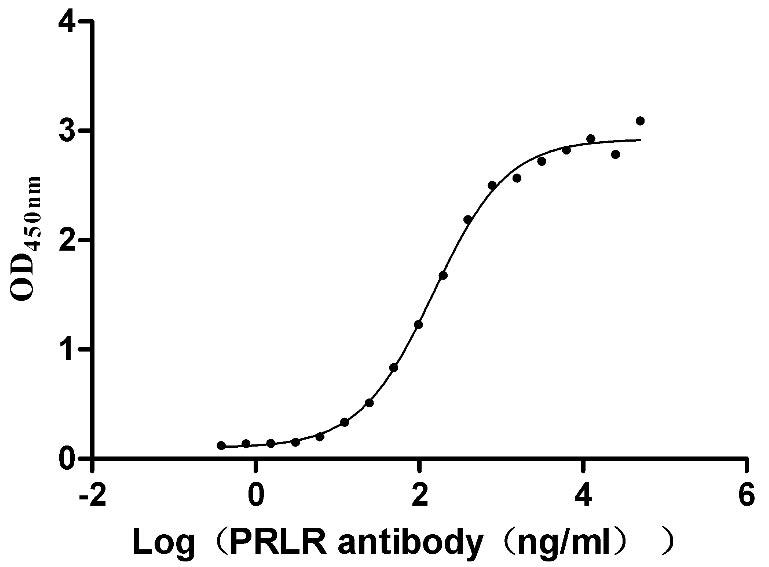
Recombinant Human Prolactin receptor (PRLR), partial (Active)
Express system: Mammalian cell
Species: Homo sapiens (Human)
-
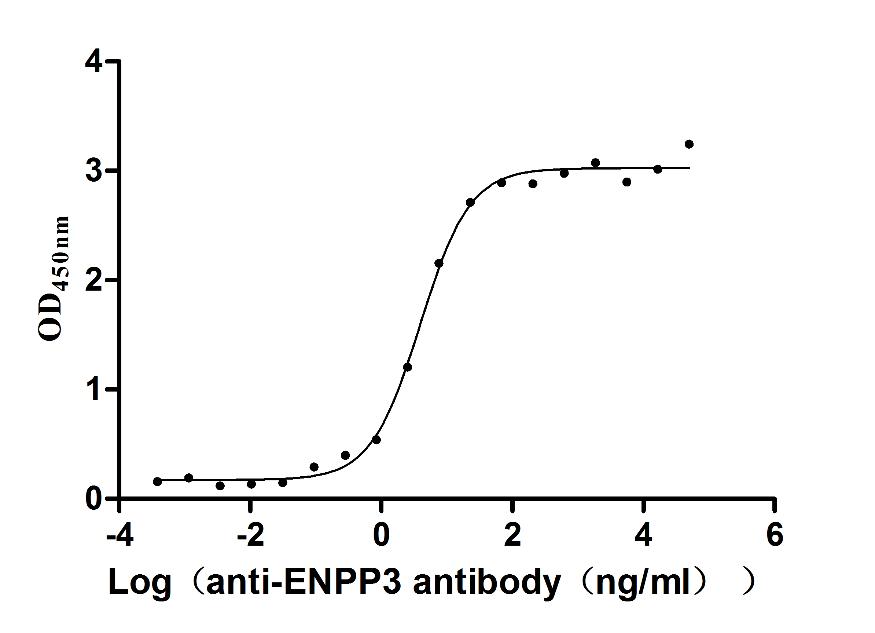
Express system: Mammalian cell
Species: Macaca fascicularis (Crab-eating macaque) (Cynomolgus monkey)
-
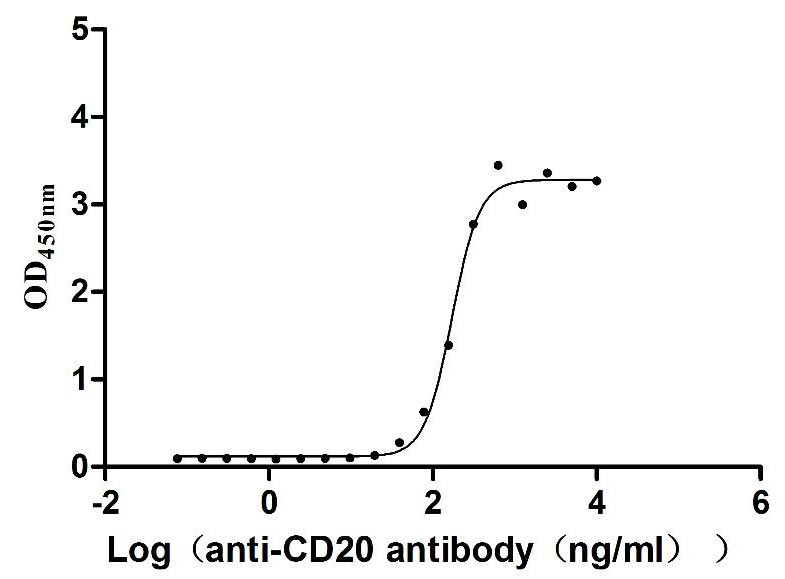
Recombinant Dog B-lymphocyte antigen CD20 (MS4A1)-VLPs (Active)
Express system: Mammalian cell
Species: Canis lupus familiaris (Dog) (Canis familiaris)
-
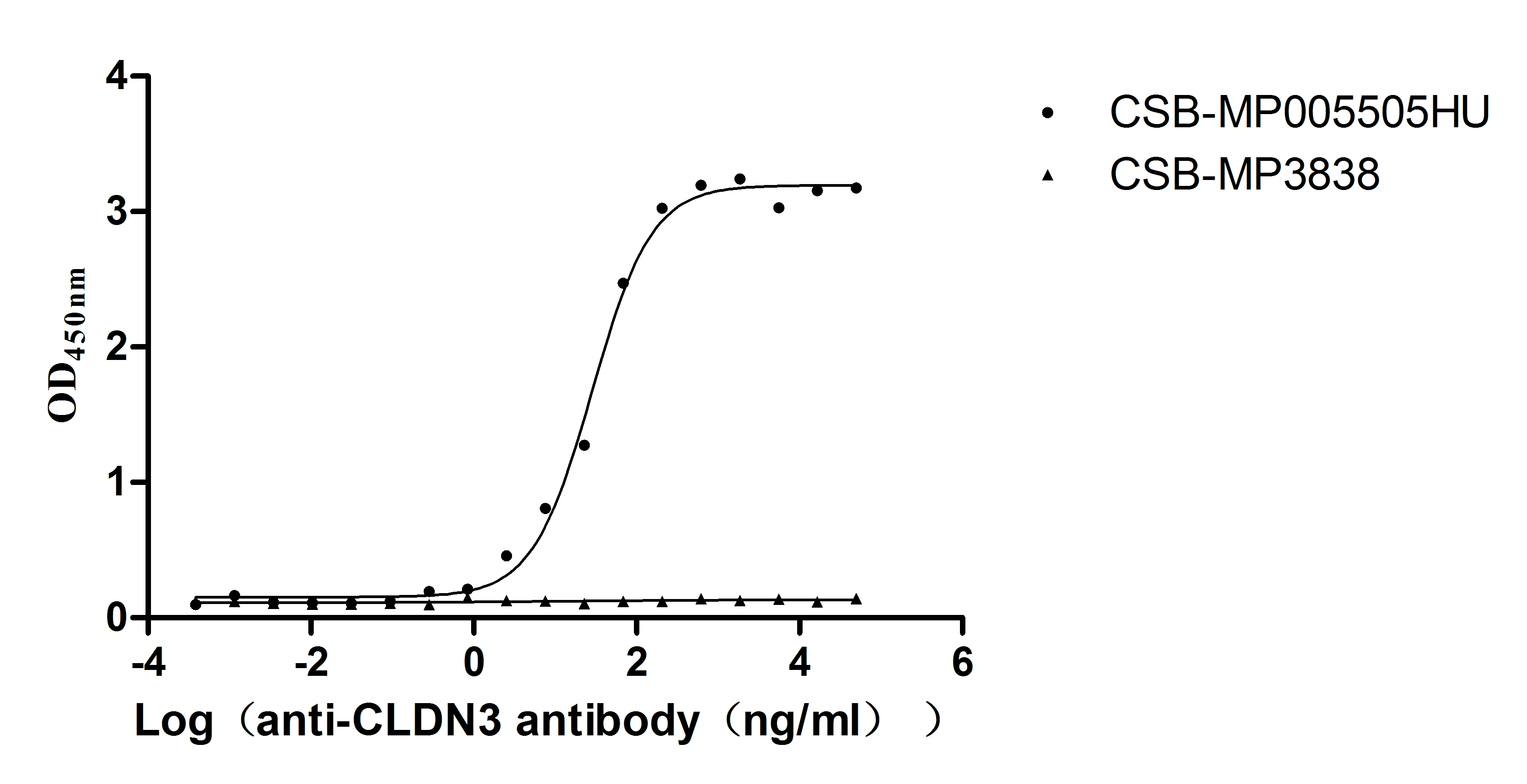
Recombinant Human Claudin-3 (CLDN3)-VLPs (Active)
Express system: Mammalian cell
Species: Homo sapiens (Human)
-
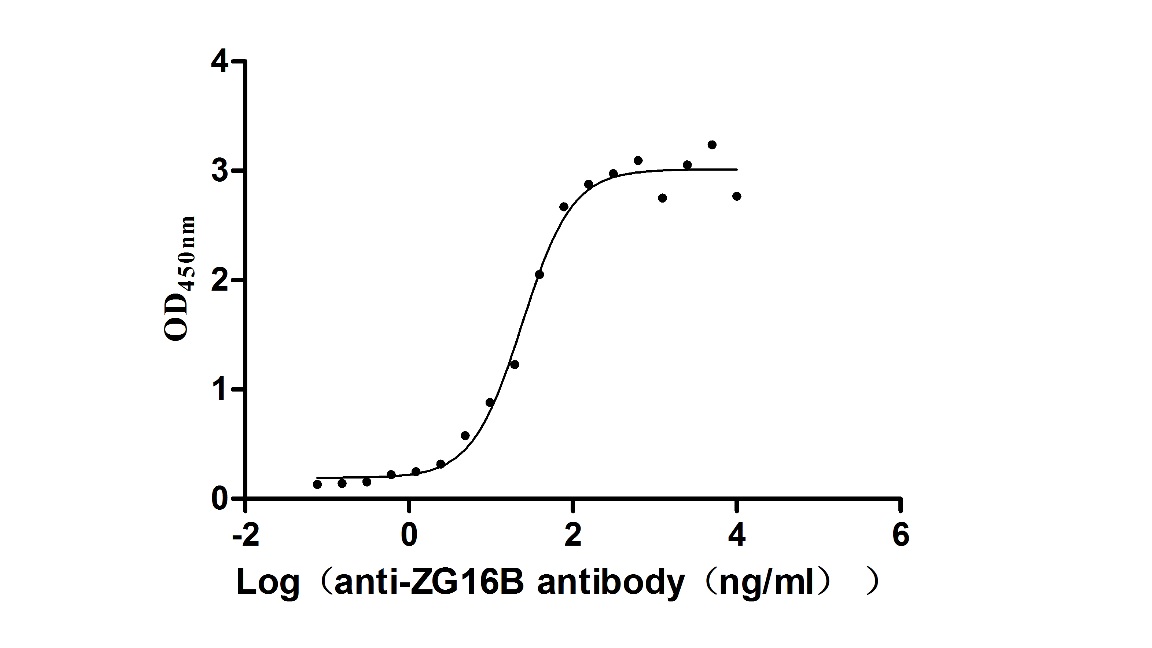
Recombinant Macaca fascicularis zymogen granule protein 16 homolog B (ZG16B) (Active)
Express system: Mammalian cell
Species: Macaca fascicularis (Crab-eating macaque) (Cynomolgus monkey)
-
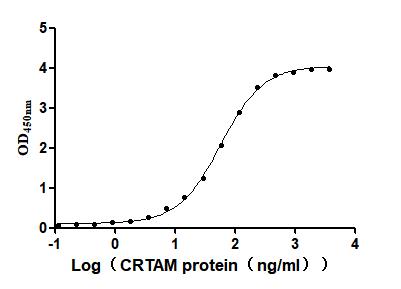
Recombinant Mouse Cytotoxic and regulatory T-cell molecule (Crtam), partial (Active)
Express system: Mammalian cell
Species: Mus musculus (Mouse)
-
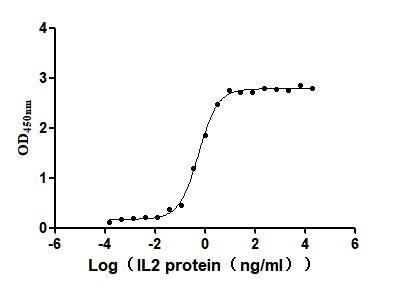
Recombinant Human Interleukin-2 (IL2) (Active)
Express system: Mammalian cell
Species: Homo sapiens (Human)
-
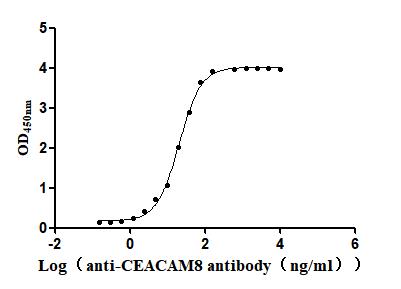
Recombinant Human Carcinoembryonic antigen-related cell adhesion molecule 8(CEACAM8) (Active)
Express system: Mammalian cell
Species: Homo sapiens (Human)