Recombinant Simian immunodeficiency virus Envelope glycoprotein gp160 (env), partial
-
中文名稱:Recombinant Simian immunodeficiency virus Envelope glycoprotein gp160(env) ,partial
-
貨號:CSB-YP318843SHA
-
說明書:
-
規格:
-
來源:Yeast
-
其他:
-
中文名稱:Recombinant Simian immunodeficiency virus Envelope glycoprotein gp160(env) ,partial
-
貨號:CSB-EP318843SHA
-
說明書:
-
規格:
-
來源:E.coli
-
其他:
-
中文名稱:Recombinant Simian immunodeficiency virus Envelope glycoprotein gp160(env) ,partial
-
貨號:CSB-EP318843SHA-B
-
說明書:
-
規格:
-
來源:E.coli
-
共軛:Avi-tag Biotinylated
E. coli biotin ligase (BirA) is highly specific in covalently attaching biotin to the 15 amino acid AviTag peptide. This recombinant protein was biotinylated in vivo by AviTag-BirA technology, which method is BriA catalyzes amide linkage between the biotin and the specific lysine of the AviTag.
-
其他:
-
中文名稱:Recombinant Simian immunodeficiency virus Envelope glycoprotein gp160(env) ,partial
-
貨號:CSB-BP318843SHA
-
說明書:
-
規格:
-
來源:Baculovirus
-
其他:
產品詳情
-
純度:>85% (SDS-PAGE)
-
基因名:env
-
Uniprot No.:
-
別名:envEnvelope glycoprotein gp160; Env polyprotein) [Cleaved into: Surface protein gp120; SU; Glycoprotein 120; gp120); Transmembrane protein gp41; TM; Glycoprotein 32; gp32)]
-
種屬:Simian immunodeficiency virus (isolate K78) (SIV-mac) (Simian immunodeficiency virus rhesus monkey)
-
蛋白長度:Partial
-
蛋白標簽:Tag?type?will?be?determined?during?the?manufacturing?process.
The tag type will be determined during production process. If you have specified tag type, please tell us and we will develop the specified tag preferentially. -
產品提供形式:Lyophilized powder Warning: in_array() expects parameter 2 to be array, null given in /www/web/cusabio_cn/public_html/caches/caches_template/default/content/show_product_protein.php on line 662
Note: We will preferentially ship the format that we have in stock, however, if you have any special requirement for the format, please remark your requirement when placing the order, we will prepare according to your demand. -
復溶:We recommend that this vial be briefly centrifuged prior to opening to bring the contents to the bottom. Please reconstitute protein in deionized sterile water to a concentration of 0.1-1.0 mg/mL.We recommend to add 5-50% of glycerol (final concentration) and aliquot for long-term storage at -20℃/-80℃. Our default final concentration of glycerol is 50%. Customers could use it as reference.
-
儲存條件:Store at -20°C/-80°C upon receipt, aliquoting is necessary for mutiple use. Avoid repeated freeze-thaw cycles.
-
保質期:The shelf life is related to many factors, storage state, buffer ingredients, storage temperature and the stability of the protein itself.
Generally, the shelf life of liquid form is 6 months at -20°C/-80°C. The shelf life of lyophilized form is 12 months at -20°C/-80°C. -
貨期:Delivery time may differ from different purchasing way or location, please kindly consult your local distributors for specific delivery time.Note: All of our proteins are default shipped with normal blue ice packs, if you request to ship with dry ice, please communicate with us in advance and extra fees will be charged.
-
注意事項:Repeated freezing and thawing is not recommended. Store working aliquots at 4°C for up to one week.
-
Datasheet :Please contact us to get it.
產品評價

靶點詳情
-
功能:The surface protein gp120 (SU) attaches the virus to the host lymphoid cell by binding to the primary receptor CD4. This interaction induces a structural rearrangement creating a high affinity binding site for a chemokine coreceptor like CCR5. This peculiar 2 stage receptor-interaction strategy allows gp120 to maintain the highly conserved coreceptor-binding site in a cryptic conformation, protected from neutralizing antibodies. These changes are transmitted to the transmembrane protein gp41 and are thought to activate its fusogenic potential by unmasking its fusion peptide.; Surface protein gp120 (SU) may target the virus to gut-associated lymphoid tissue (GALT) by binding host ITGA4/ITGB7 (alpha-4/beta-7 integrins), a complex that mediates T-cell migration to the GALT. Interaction between gp120 and ITGA4/ITGB7 would allow the virus to enter GALT early in the infection, infecting and killing most of GALT's resting CD4+ T-cells. This T-cell depletion is believed to be the major insult to the host immune system leading to AIDS.; The surface protein gp120 is a ligand for CD209/DC-SIGN and CLEC4M/DC-SIGNR, which are respectively found on dendritic cells (DCs), and on endothelial cells of liver sinusoids and lymph node sinuses. These interactions allow capture of viral particles at mucosal surfaces by these cells and subsequent transmission to permissive cells. DCs are professional antigen presenting cells, critical for host immunity by inducing specific immune responses against a broad variety of pathogens. They act as sentinels in various tissues where they take up antigen, process it, and present it to T-cells following migration to lymphoid organs. SIV subverts the migration properties of dendritic cells to gain access to CD4+ T-cells in lymph nodes. Virus transmission to permissive T-cells occurs either in trans (without DCs infection, through viral capture and transmission), or in cis (following DCs productive infection, through the usual CD4-gp120 interaction), thereby inducing a robust infection. In trans infection, bound virions remain infectious over days and it is proposed that they are not degraded, but protected in non-lysosomal acidic organelles within the DCs close to the cell membrane thus contributing to the viral infectious potential during DCs' migration from the periphery to the lymphoid tissues. On arrival at lymphoid tissues, intact virions recycle back to DCs' cell surface allowing virus transmission to CD4+ T-cells. Virion capture also seems to lead to MHC-II-restricted viral antigen presentation, and probably to the activation of SIV-specific CD4+ cells.; The transmembrane protein gp41 (TM) acts as a class I viral fusion protein. Under the current model, the protein has at least 3 conformational states: pre-fusion native state, pre-hairpin intermediate state, and post-fusion hairpin state. During fusion of viral and target intracellular membranes, the coiled coil regions (heptad repeats) assume a trimer-of-hairpins structure, positioning the fusion peptide in close proximity to the C-terminal region of the ectodomain. The formation of this structure appears to drive apposition and subsequent fusion of viral and target cell membranes. Complete fusion occurs in host cell endosomes. The virus undergoes clathrin-dependent internalization long before endosomal fusion, thus minimizing the surface exposure of conserved viral epitopes during fusion and reducing the efficacy of inhibitors targeting these epitopes. Membranes fusion leads to delivery of the nucleocapsid into the cytoplasm.; The envelope glycoprotein gp160 precursor down-modulates cell surface CD4 antigen by interacting with it in the endoplasmic reticulum and blocking its transport to the cell surface.; The gp120-gp41 heterodimer allows rapid transcytosis of the virus through CD4 negative cells such as simple epithelial monolayers of the intestinal, rectal and endocervical epithelial barriers. Both gp120 and gp41 specifically recognize glycosphingolipids galactosyl-ceramide (GalCer) or 3' sulfo-galactosyl-ceramide (GalS) present in the lipid rafts structures of epithelial cells. Binding to these alternative receptors allows the rapid transcytosis of the virus through the epithelial cells. This transcytotic vesicle-mediated transport of virions from the apical side to the basolateral side of the epithelial cells does not involve infection of the cells themselves.
-
亞細胞定位:[Transmembrane protein gp41]: Virion membrane; Single-pass type I membrane protein. Host cell membrane; Single-pass type I membrane protein. Host endosome membrane; Single-pass type I membrane protein.; [Surface protein gp120]: Virion membrane; Peripheral membrane protein. Host cell membrane; Peripheral membrane protein. Host endosome membrane; Peripheral membrane protein.
Most popular with customers
-
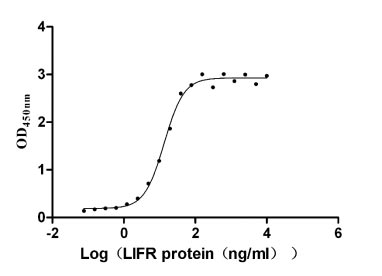
Recombinant Human Leukemia inhibitory factor receptor (LIFR), partial (Active)
Express system: Mammalian cell
Species: Homo sapiens (Human)
-
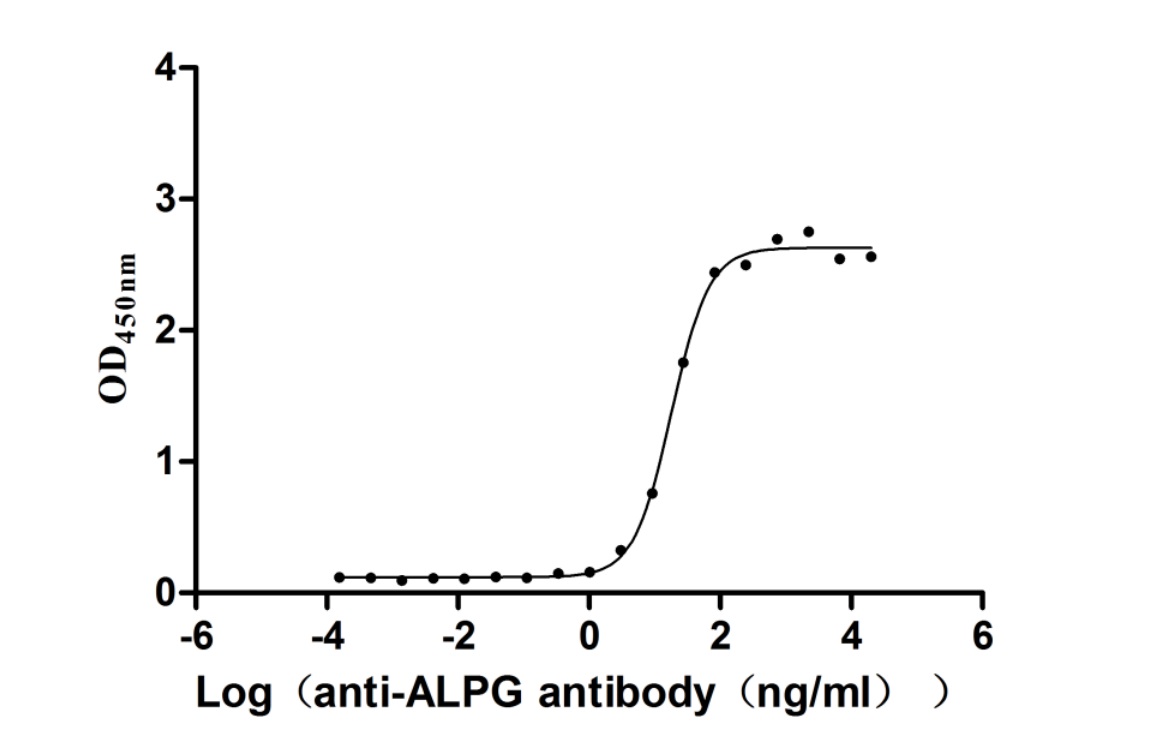
Recombinant Human Alkaline phosphatase, germ cell type (ALPG) (Active)
Express system: Mammalian cell
Species: Homo sapiens (Human)
-
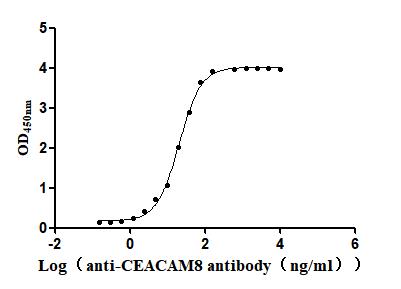
Recombinant Human Carcinoembryonic antigen-related cell adhesion molecule 8(CEACAM8) (Active)
Express system: Mammalian cell
Species: Homo sapiens (Human)
-
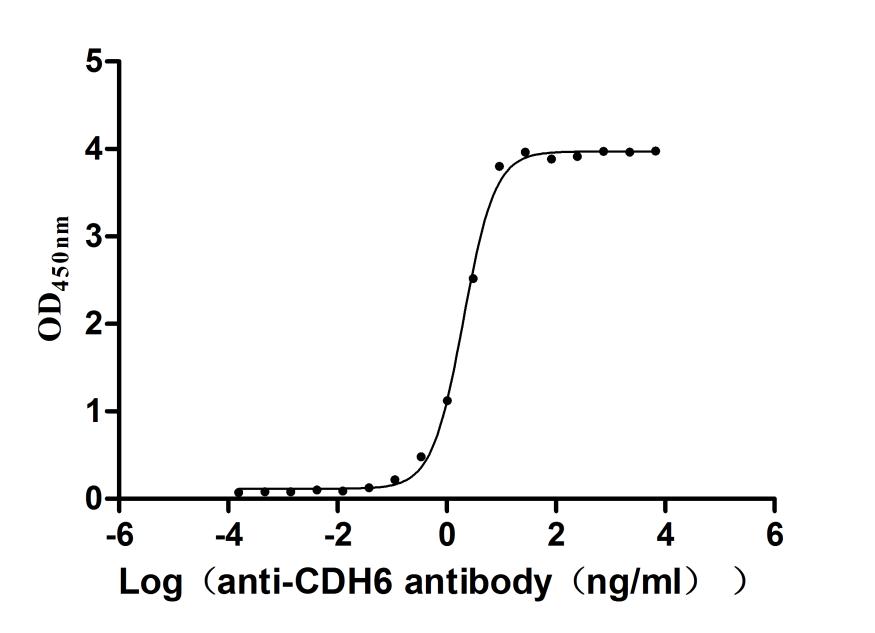
Recombinant Mouse Cadherin-6 (Cdh6), partial (Active)
Express system: Mammalian cell
Species: Mus musculus (Mouse)
-
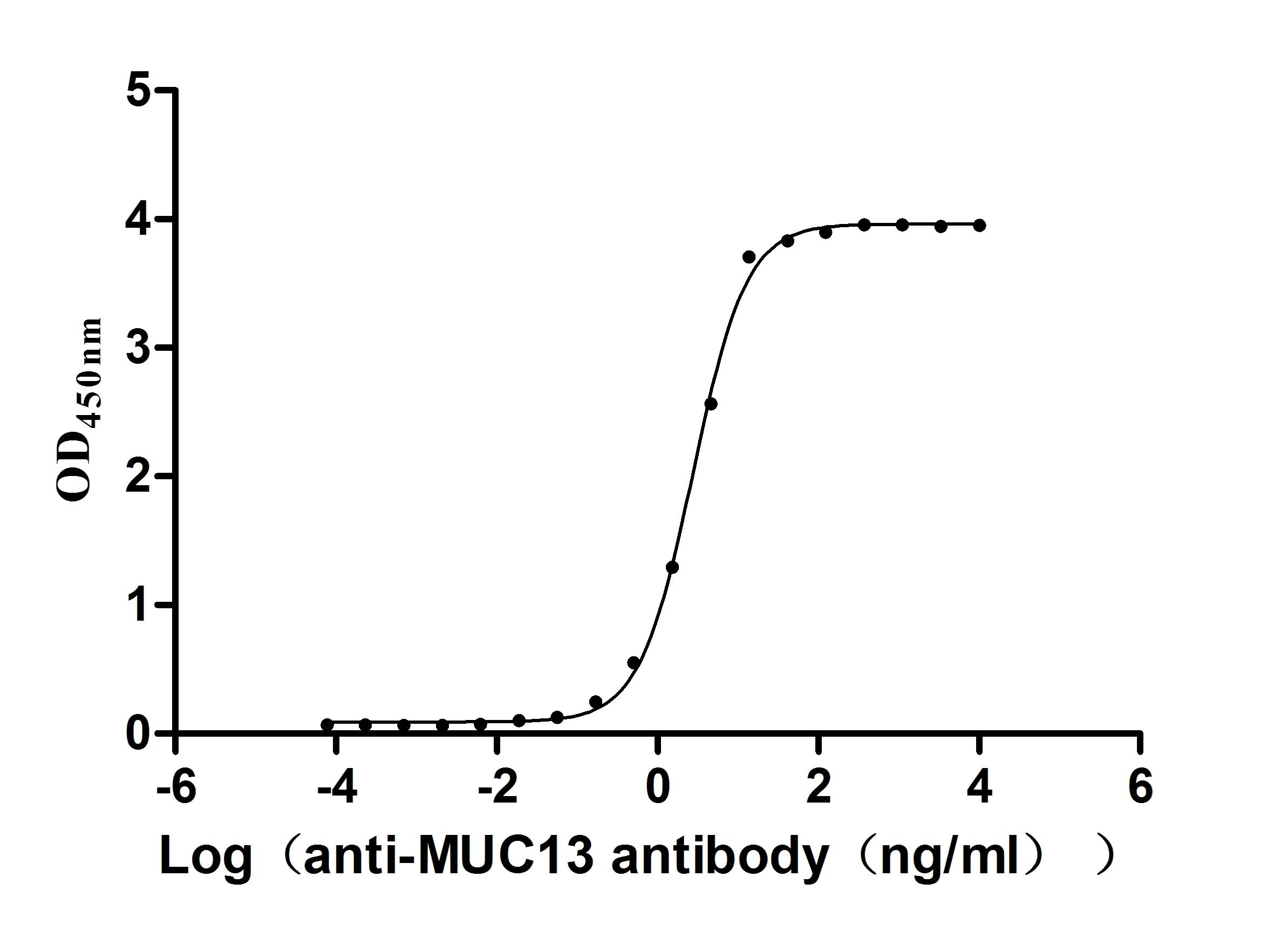
Recombinant Human Mucin-13(MUC13),partial (Active)
Express system: yeast
Species: Homo sapiens (Human)