Recombinant Mouse Tyrosine-protein phosphatase non-receptor type 22 (Ptpn22), partial
-
中文名稱:小鼠Ptpn22重組蛋白
-
貨號:CSB-YP019036MO
-
規(guī)格:
-
來源:Yeast
-
其他:
-
中文名稱:小鼠Ptpn22重組蛋白
-
貨號:CSB-EP019036MO
-
規(guī)格:
-
來源:E.coli
-
其他:
-
中文名稱:小鼠Ptpn22重組蛋白
-
貨號:CSB-EP019036MO-B
-
規(guī)格:
-
來源:E.coli
-
共軛:Avi-tag Biotinylated
E. coli biotin ligase (BirA) is highly specific in covalently attaching biotin to the 15 amino acid AviTag peptide. This recombinant protein was biotinylated in vivo by AviTag-BirA technology, which method is BriA catalyzes amide linkage between the biotin and the specific lysine of the AviTag.
-
其他:
-
中文名稱:小鼠Ptpn22重組蛋白
-
貨號:CSB-BP019036MO
-
規(guī)格:
-
來源:Baculovirus
-
其他:
-
中文名稱:小鼠Ptpn22重組蛋白
-
貨號:CSB-MP019036MO
-
規(guī)格:
-
來源:Mammalian cell
-
其他:
產(chǎn)品詳情
-
純度:>85% (SDS-PAGE)
-
基因名:
-
Uniprot No.:
-
別名:Ptpn22; Ptpn8; Tyrosine-protein phosphatase non-receptor type 22; EC 3.1.3.48; Hematopoietic cell protein-tyrosine phosphatase 70Z-PEP; PEST-domain phosphatase; PEP
-
種屬:Mus musculus (Mouse)
-
蛋白長度:Partial
-
蛋白標簽:Tag?type?will?be?determined?during?the?manufacturing?process.
The tag type will be determined during production process. If you have specified tag type, please tell us and we will develop the specified tag preferentially. -
產(chǎn)品提供形式:Lyophilized powder
Note: We will preferentially ship the format that we have in stock, however, if you have any special requirement for the format, please remark your requirement when placing the order, we will prepare according to your demand. -
復(fù)溶:We recommend that this vial be briefly centrifuged prior to opening to bring the contents to the bottom. Please reconstitute protein in deionized sterile water to a concentration of 0.1-1.0 mg/mL.We recommend to add 5-50% of glycerol (final concentration) and aliquot for long-term storage at -20℃/-80℃. Our default final concentration of glycerol is 50%. Customers could use it as reference.
-
儲存條件:Store at -20°C/-80°C upon receipt, aliquoting is necessary for mutiple use. Avoid repeated freeze-thaw cycles.
-
保質(zhì)期:The shelf life is related to many factors, storage state, buffer ingredients, storage temperature and the stability of the protein itself.
Generally, the shelf life of liquid form is 6 months at -20°C/-80°C. The shelf life of lyophilized form is 12 months at -20°C/-80°C. -
貨期:Delivery time may differ from different purchasing way or location, please kindly consult your local distributors for specific delivery time.Note: All of our proteins are default shipped with normal blue ice packs, if you request to ship with dry ice, please communicate with us in advance and extra fees will be charged.
-
注意事項:Repeated freezing and thawing is not recommended. Store working aliquots at 4°C for up to one week.
-
Datasheet :Please contact us to get it.
產(chǎn)品評價

靶點詳情
-
功能:Acts as negative regulator of T-cell receptor (TCR) signaling by direct dephosphorylation of the Src family kinases LCK and FYN, ITAMs of the TCRz/CD3 complex, as well as ZAP70, VAV, VCP and other key signaling molecules. Associates with and probably dephosphorylates CBL. Dephosphorylates LCK at its activating 'Tyr-394' residue. Dephosphorylates ZAP70 at its activating 'Tyr-492' residue. Dephosphorylates the immune system activator SKAP2. Positively regulates toll-like receptor (TLR)-induced type 1 interferon production. Promotes host antiviral responses mediated by type 1 interferon. Regulates NOD2-induced pro-inflammatory cytokine secretion and autophagy. Dephosphorylates phospho-anandamide (p-AEA), an endocannabinoid to anandamide (also called N-arachidonoylethanolamide).
-
基因功能參考文獻:
- these findings highlight PTPN22 as a novel regulator of dectin-1 signals, providing a link between genetically conferred perturbations of innate receptor signaling and the risk of autoimmune disease PMID: 28948613
- PTPN22 role in CD8-positive t cells activation. PMID: 29116089
- Here we show that mice deficient in PTPN22 resist chronic viral infection with lymphocytic choriomeningitis virus clone 13. The numbers and function of viral-specific CD4 T lymphocytes is greatly enhanced, whereas expression of the IFNbeta-induced IL-2 repressor, cAMP-responsive element modulator is reduced. PMID: 27799548
- we have discovered that inactivation of Ptpn22 or Mll3 greatly accelerated PI3K-driven mammary tumorigenesis PMID: 27653681
- Our findings, for the first time, illustrate the indirect impact of the 619 Arg > Trp polymorphic PTPN22 on T cells activation, mediated by polymorphic effects on macrophages and indicate a possible role of PTPN22 in cytoskeleton re-arrangement. PMID: 28237724
- PTPN22 has dual roles in T-cell clonal expansion and effector function; whereas it promotes antigen-driven responses during acute infection by positively regulating interferon signaling in T cells, PTPN22 inhibits homeostatic-driven proliferation. PMID: 27725666
- PTPN22 colocalized with its substrates at the leading edge of cells migrating on surfaces coated with the LFA-1 ligand intercellular adhesion molecule-1 (ICAM-1). PMID: 27703032
- PTPN22 is dispensable for dendritic cell antigen processing and promotion of T-cell activation by dendritic cells. PMID: 29040339
- collective murine and human data provide an alternative model for how the PTPN22 C1858T variant promotes self-reactivity into the naive B cell repertoire and, consequently, is likely to increase the probability of triggering autoimmune B cell responses in at-risk individuals PMID: 28801357
- PTPN22 deficiency resulted in pronounced colitis, increased NLRP3 phosphorylation, but reduced levels of mature IL-1beta. PMID: 27043286
- We show that PTPN22 deficiency enhanced T-cell receptor-mediated signaling in SKG Ptpn22-/- thymocytes and that the early stages of thymus positive selection were partially restored in SKG Ptpn22-/- mice. PMID: 27288531
- this study shows that neutrophil effector functions are reduced in Ptpn22-/- neutrophils, and that Ptpn22-/- mice are protected from immune complex-mediated arthritis PMID: 27807193
- report demonstrates enhanced T1D in a mouse modeling human PTPN22(R620W) and the utility of CRISPR-Cas9 for direct genetic alternation of NOD mice. PMID: 27207523
- our data suggest a critical role for GITR in Treg cell homeostasis and indicate that Ptpn22 independently affects the differentiation status of Treg cells and their homeostatic behavior PMID: 26810223
- lack of PTPN22 strengthens transplant tolerance to pancreatic islets by expanding both FOXP3(+) Treg and Tr1 cells PMID: 25748328
- Ptpn22 and Cd2 Variations Are Associated with Altered Protein Expression and Susceptibility to Type 1 Diabetes PMID: 26438525
- T cell activation modulates the expression of PTPN22 and additional inhibitory phosphatases. PMID: 25715232
- PTPN22 is an inhibitor of PAD-4 and protein citrullination. PMID: 26019128
- Autoimmunity-associated protein tyrosine phosphatase PEP negatively regulates IFN-alpha receptor signaling. PMID: 26077719
- lack of Ptpn22 exacerbates virally-induced type 1 diabetes in lymphocytic choriomeningitis virus mice, while maintaining higher number of Treg cells in the antiviral response in the blood and spleen but not in the pancreatic lymph nodes PMID: 25513733
- Data suggest that a gain-of-function of human PTPN22 transgene encoding the tyrosine phosphatase LYP is unlikely to increase risk of autoimmunity through alterations of thymic selection. PMID: 24498279
- PTPN22 limited signaling via the T cell antigen receptor (TCR) by weak agonists and self antigens while not impeding responses to strong agonist antigens. PMID: 25108421
- data demonstrate that PTPN22 controls NOD2 signaling, and loss of PTPN22 renders monocytes more reactive towards bacterial products, what might explain the association of PTPN22 variants with IBD pathogenesis PMID: 23991106
- these findings demonstrate the importance of cell type-specific PTPN22 activity on regulation of antibody production. PMID: 24453256
- Our data not only demonstrate a critical role of PTPN22 in regulating macrophage polarization but also provide a molecular explanation for the protective effect of the C1858T SNP in Crohn's disease PMID: 23913970
- Data indicate that Ptpn22 regulates TLR-driven Type 1 interferon production in myeloid cells. PMID: 23871208
- results demonstrate that Pep overexpression in T cells attenuates autoimmune diabetes in NOD mice by preferentially modulating TCR signaling-mediated functions in diabetogenic T cells but not in T(regs) PMID: 23752610
- the disease-associated PTPN22 variant promotes systemic autoimmunity in murine models PMID: 23619366
- Lack of the phosphatase PTPN22 increases adhesion of murine regulatory T cells to improve their immunosuppressive function PMID: 23193160
- Data suggest that an amino acid substitution mutation in Ptpn22 (R620W) resulting in a type 1 diabetes model (previously thought to be a loss-of-function mutation) is, in fact, a gain-of-function mutation. PMID: 23193190
- An increase in regulatory T cells (Tregs) persisted in the periphery and could play a key part in reduced severity observed in PTPN22-deficient mice with experimental autoimmune encephalomyelitis, a mouse model of multiple sclerosis. PMID: 22539785
- mice expressing the Ptpn22 Lyp variant homolog Pep619W manifest thymic and splenic enlargement accompanied by increases in T-cell number, activation and positive selection and in dendritic- and B-cell activation. PMID: 21841778
- Our results do not show that the PTPN22, STAT4 and TRAF1/C5 gene polymorphisms may confer a direct risk of cardiovascular disease disease in patients with rheumatoid arthritis. PMID: 20822712
- central role for PEP in negatively regulating specific aspects of T cell development and function PMID: 14752163
- Pep(-/-) T cells in the context of a susceptible microenvironment can drive hyperresponsive CD45 E613R B cells to break tolerance. PMID: 19299707
顯示更多
收起更多
-
亞細胞定位:Cytoplasm.
-
蛋白家族:Protein-tyrosine phosphatase family, Non-receptor class 4 subfamily
-
組織特異性:Brain (at protein level). Spleen, thymus, lymph node and bone marrow.
-
數(shù)據(jù)庫鏈接:
Most popular with customers
-
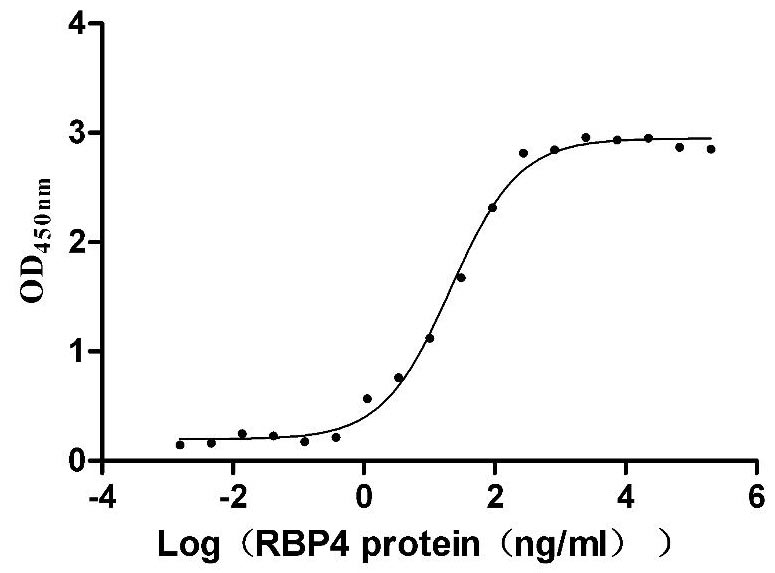
Recombinant Mouse Transthyretin (Ttr) (Active)
Express system: Mammalian cell
Species: Mus musculus (Mouse)
-
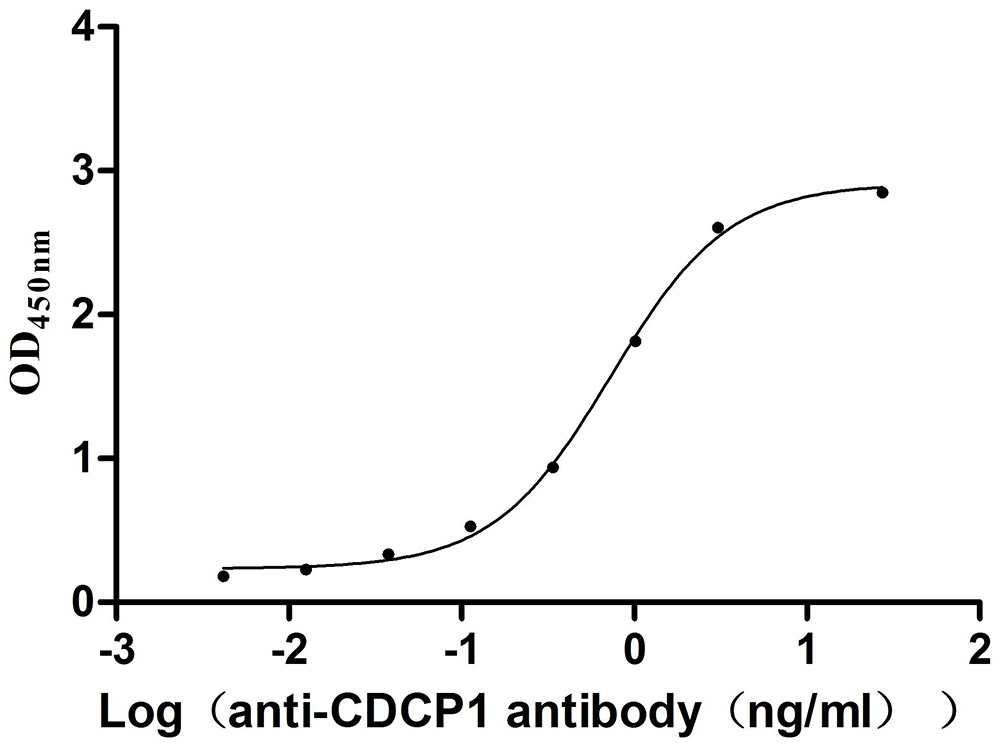
Recombinant Mouse CUB domain-containing protein 1 (Cdcp1), partial (Active)
Express system: Mammalian cell
Species: Mus musculus (Mouse)
-
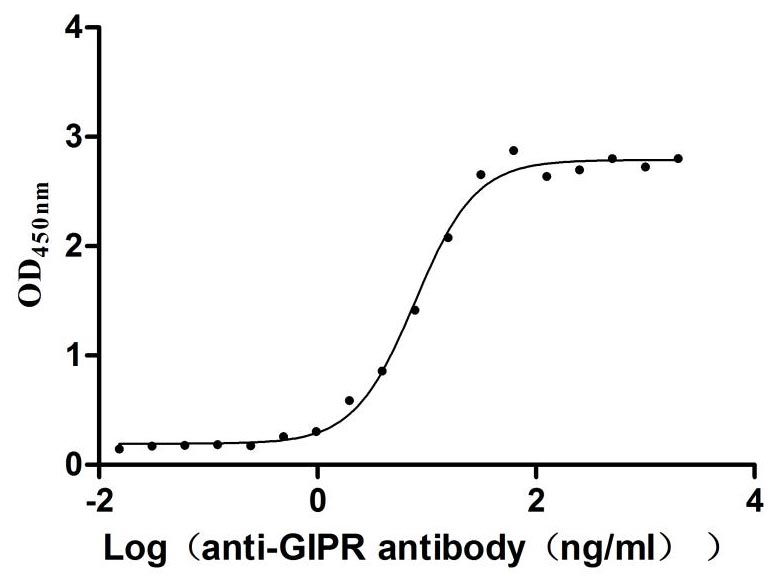
Recombinant Rat Gastric inhibitory polypeptide receptor (Gipr), partial (Active)
Express system: Mammalian cell
Species: Rattus norvegicus (Rat)
-
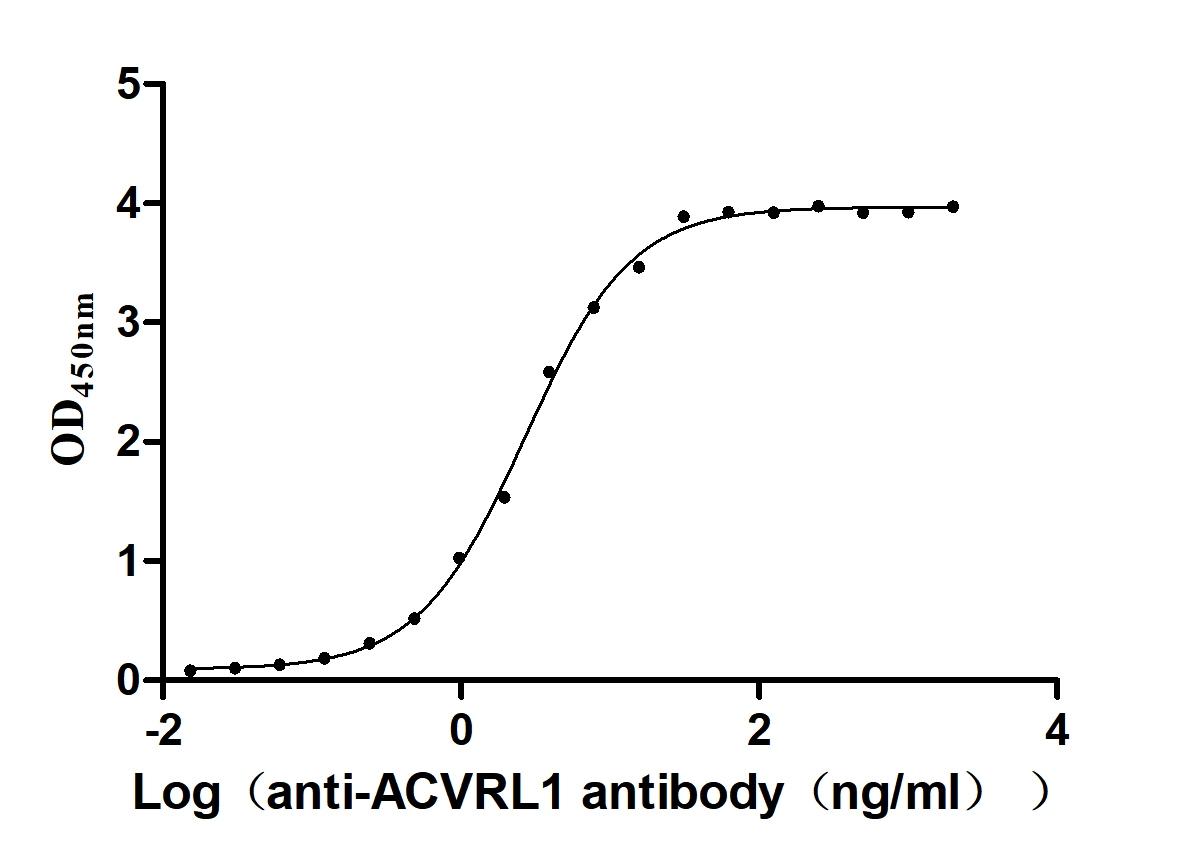
Recombinant Human Serine/threonine-protein kinase receptor R3 (ACVRL1), partial (Active)
Express system: Baculovirus
Species: Homo sapiens (Human)
-
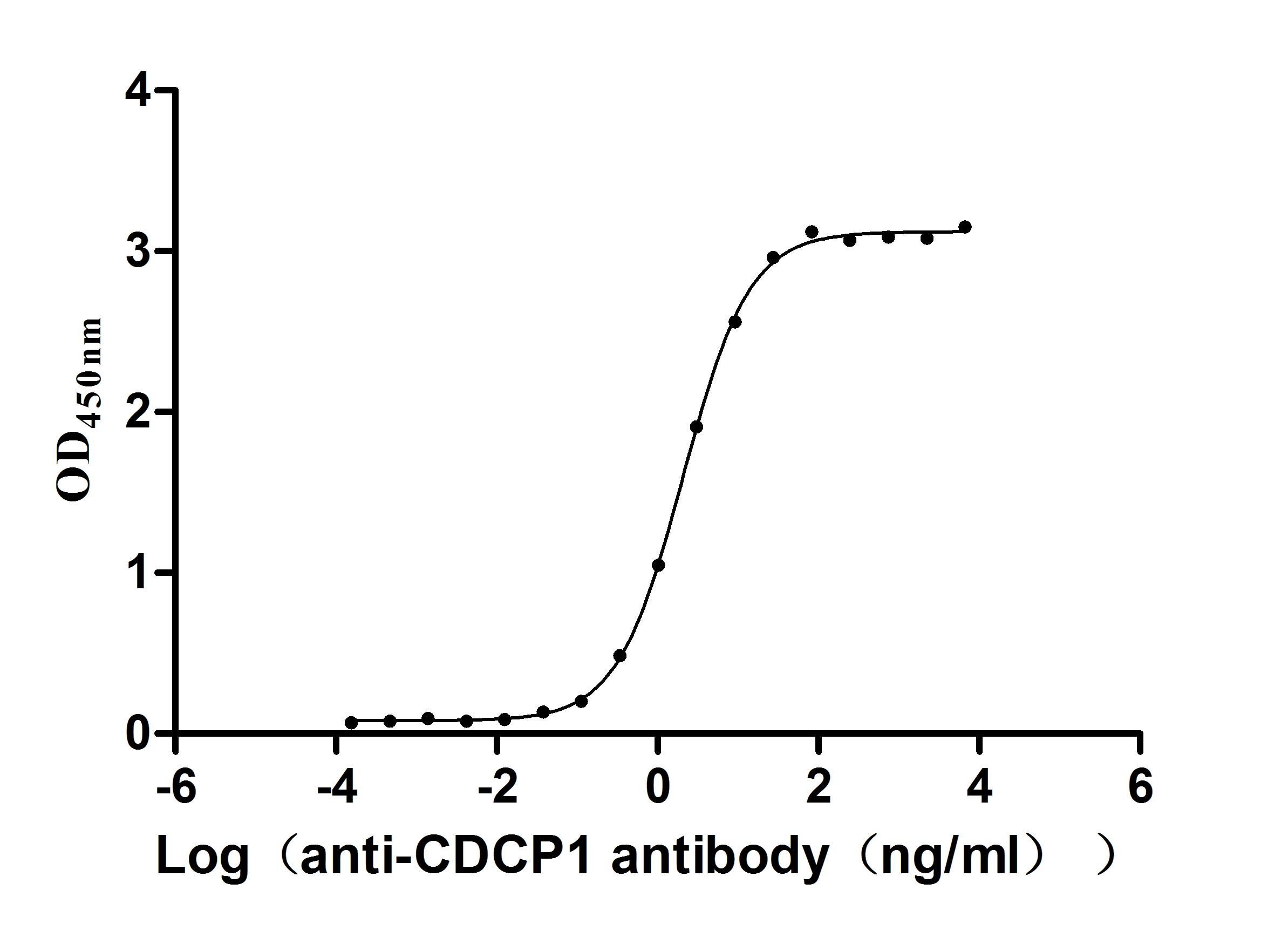
Recombinant Macaca fascicularis CUB domain containing protein 1 (CDCP1), partial (Active)
Express system: Mammalian cell
Species: Macaca fascicularis (Crab-eating macaque) (Cynomolgus monkey)
-
-AC1.jpg)
Recombinant Human Tumor necrosis factor ligand superfamily member 15(TNFSF15) (Active)
Express system: Mammalian cell
Species: Homo sapiens (Human)
-
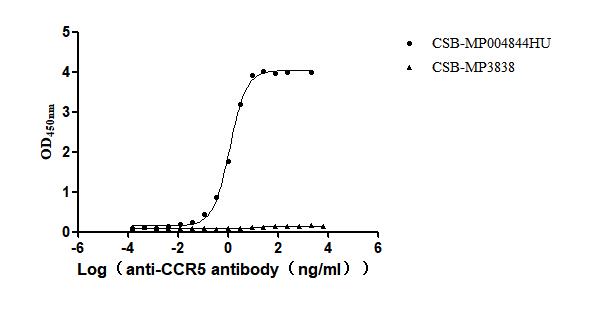
Recombinant Human C-C chemokine receptor type 5 (CCR5)-VLPs (Active)
Express system: Mammalian cell
Species: Homo sapiens (Human)