Recombinant Mouse Synapsin-1 (Syn1)
-
中文名稱:小鼠Syn1重組蛋白
-
貨號:CSB-YP023002MO
-
規格:
-
來源:Yeast
-
其他:
-
中文名稱:小鼠Syn1重組蛋白
-
貨號:CSB-EP023002MO
-
規格:
-
來源:E.coli
-
其他:
-
中文名稱:小鼠Syn1重組蛋白
-
貨號:CSB-EP023002MO-B
-
規格:
-
來源:E.coli
-
共軛:Avi-tag Biotinylated
E. coli biotin ligase (BirA) is highly specific in covalently attaching biotin to the 15 amino acid AviTag peptide. This recombinant protein was biotinylated in vivo by AviTag-BirA technology, which method is BriA catalyzes amide linkage between the biotin and the specific lysine of the AviTag.
-
其他:
-
中文名稱:小鼠Syn1重組蛋白
-
貨號:CSB-BP023002MO
-
規格:
-
來源:Baculovirus
-
其他:
-
中文名稱:小鼠Syn1重組蛋白
-
貨號:CSB-MP023002MO
-
規格:
-
來源:Mammalian cell
-
其他:
產品詳情
-
純度:>85% (SDS-PAGE)
-
基因名:
-
Uniprot No.:
-
別名:Syn1; Syn-1; Synapsin-1; Synapsin I
-
種屬:Mus musculus (Mouse)
-
蛋白長度:Full length protein
-
表達區域:1-706
-
氨基酸序列MNYLRRRLSD SNFMANLPNG YMTDLQRPQP PPPPPSAASP GATPGSATAS AERASTAAPV ASPAAPSPGS SGGGGFFSSL SNAVKQTTAA AAATFSEQVG GGSGGAGRGG AAARVLLVID EPHTDWAKYF KGKKIHGEID IKVEQAEFSD LNLVAHANGG FSVDMEVLRN GVKVVRSLKP DFVLIRQHAF SMARNGDYRS LVIGLQYAGI PSVNSLHSVY NFCDKPWVFA QMVRLHKKLG TEEFPLIDQT FYPNHKEMLS STTYPVVVKM GHAHSGMGKV KVDNQHDFQD IASVVALTKT YATAEPFIDA KYDVRVQKIG QNYKAYMRTS VSGNWKTNTG SAMLEQIAMS DRYKLWVDTC SEIFGGLDIC AVEALHGKDG RDHIIEVVGS SMPLIGDHQD EDKQLIVELV VNKMTQALPR QPQRDASPGR GSHSQSSSPG ALTLGRQTSQ QPAGPPAQQR PPPQGGPPQP GPGPQRQGPP LQQRPPPQGQ QHLSGLGPPA GSPLPQRLPS PTAAPQQSAS QATPVTQGQG RQSRPVAGGP GAPPAARPPA SPSPQRQAGA PQATRQASIS GPAPTKASGA PPGGQQRQGP PQKPPGPAGP TRQASQAGPG PRTGPPTTQQ PRPSGPGPAG RPAKPQLAQK PSQDVPPPIT AAAGGPPHPQ LNKSQSLTNA FNLPEPAPPR PSLSQDEVKA ETIRSLRKSF ASLFSD
-
蛋白標簽:Tag?type?will?be?determined?during?the?manufacturing?process.
The tag type will be determined during production process. If you have specified tag type, please tell us and we will develop the specified tag preferentially. -
產品提供形式:Lyophilized powder
Note: We will preferentially ship the format that we have in stock, however, if you have any special requirement for the format, please remark your requirement when placing the order, we will prepare according to your demand. -
復溶:We recommend that this vial be briefly centrifuged prior to opening to bring the contents to the bottom. Please reconstitute protein in deionized sterile water to a concentration of 0.1-1.0 mg/mL.We recommend to add 5-50% of glycerol (final concentration) and aliquot for long-term storage at -20℃/-80℃. Our default final concentration of glycerol is 50%. Customers could use it as reference.
-
儲存條件:Store at -20°C/-80°C upon receipt, aliquoting is necessary for mutiple use. Avoid repeated freeze-thaw cycles.
-
保質期:The shelf life is related to many factors, storage state, buffer ingredients, storage temperature and the stability of the protein itself.
Generally, the shelf life of liquid form is 6 months at -20°C/-80°C. The shelf life of lyophilized form is 12 months at -20°C/-80°C. -
貨期:Delivery time may differ from different purchasing way or location, please kindly consult your local distributors for specific delivery time.Note: All of our proteins are default shipped with normal blue ice packs, if you request to ship with dry ice, please communicate with us in advance and extra fees will be charged.
-
注意事項:Repeated freezing and thawing is not recommended. Store working aliquots at 4°C for up to one week.
-
Datasheet :Please contact us to get it.
產品評價

相關產品
靶點詳情
-
功能:Neuronal phosphoprotein that coats synaptic vesicles, binds to the cytoskeleton, and is believed to function in the regulation of neurotransmitter release. Regulation of neurotransmitter release. The complex formed with NOS1 and CAPON proteins is necessary for specific nitric-oxide functions at a presynaptic level.
-
基因功能參考文獻:
- Results implicate SYN1 in the pathogenesis of non-syndromic intellectual disability, showing that alterations of synaptic vesicle trafficking are one possible cause of this disease, and suggest that distinct mutations in SYN1 may lead to distinct brain pathologies. PMID: 28973667
- This study demonstrated that syn1 affect the rate of release of GABA quanta residing within the Hippocampal Interneurons. PMID: 27335405
- Synapsin I is localized and produced at mature axon terminals and at immature growth cones. PMID: 27098703
- HSV-1-infected neurons also exhibite significantly reduced expression of the presynaptic proteins synapsin-1 and synaptophysin. These effects depended on GSK-3 activation and intraneuronal accumulation of Ab PMID: 26487282
- Functions of synapsins in corticothalamic facilitation: important roles of synapsin I PMID: 26256545
- Levels of synapsin Ia/b increased in contralateral visual cortex following monocular deprivation. PMID: 25576091
- SynI mRNA and protein levels are down-regulated in the hippocampus of naive and Morris water maze-treated En2-/- mice. PMID: 25463523
- age-dependent reduction of phospho-synapsin-Ia reversed by exercise regimen PMID: 24835196
- This study demonostrated that Epileptic synapsin triple knockout mice exhibit progressive long-term aberrant plasticity in the entorhinal cortex. PMID: 23236212
- these findings suggest PRICKLE1 mutations contribute to ASD by disrupting the interaction with SYN1 and regulation of synaptic vesicles. PMID: 24312498
- during chronic modification of neuronal activity and is an essential downstream effector for the Cdk5-mediated homeostatic scaling. PMID: 24849359
- O-GlcNAcylation of Thr-87 interferes with folding of the ALPS motif, providing a means for regulating the association of synapsin I with SVs as a mechanism contributing to synapsin I localization and RPSV generation. PMID: 24280219
- Data indicate that in patients carrying the W356x mutation the function of synapsin I is markedly impaired, and support the value of Syn1(-/-) mice as an experimental model mimicking the human pathology. PMID: 23818987
- Epileptogenic Q555X SYN1 mutant triggers imbalances in release dynamics and short-term plasticity. PMID: 23406870
- This study demonstrated a seizure-inducing potential of regular handling in both Syn1KO and Syn2KO mice during a period between P21 and 4 1/2 months of age. PMID: 23570901
- the serine residue at 605 of the synapsin-1 peptide, 603QASQAGPGPR612, and the serine residue at 692 of the tau peptide, 688SPVVSGDTSPR698, were found to be potential reciprocal O-GlcNAcylation and phosphorylation sites. PMID: 23807304
- Synapsin I knock-out mice do not exhibit a linear progression of the epileptic seizure phenotype. PMID: 22846639
- post-receptor calcium-dependent mechanisms associated with nicotine withdrawal are mediated through beta2-containing nicotinic receptors. PMID: 23313759
- NPAS4 plays an important role in the structural and functional plasticity of neurons PMID: 23172225
- In synapsin-1 knock-out mice partial seizures are rare, and generalized seizures are almost absent. PMID: 22236379
- Analysis of cultured neurons from wild-type and Syn I,II,III-deficient triple knock-out (TKO) mice shows that synaptic vesicles are severely dispersed in the absence of Syns. PMID: 22933803
- This study demonistrated that Site-specific synapsin I phosphorylation participates in the expression of post-tetanic potentiation and its enhancement by BDNF. PMID: 22539848
- We conclude that neither synapsin I nor synapsin II are directly involved in the regulation of glucose-stimulated insulin secretion and Ca(2)-dependent exocytosis in mouse pancreatic beta-cells. PMID: 22334712
- The results of this study show that synapsin is pivotal for maintaining synaptic vesicle cluster integrity and that it contributes to the regulated sharing of vesicles between terminals. PMID: 22442064
- Synapsin I and II affect distinct excitatory glutamatergic synapses in the hippocampus, synapsin-dependent modulations of synaptic function may use distinct presynaptic response patterns to induce different classes of presynaptic plasticity.[Review] PMID: 21827868
- The supply rate of vesicle trafficking depresses more rapidly in synapsin knock-outs; the phenotype can be fully explained by changing the value of the single parameter in the model that would specify the size of the local reserve pools. PMID: 21832187
- findings suggest that seizure behavior in synapsin I and synapsin II KO mice is not solely determined by cortical activity but rather reflects interplay between cortical activity and activity in other brain regions PMID: 21281619
- As an oligomannose-carrying glycoprotein, synapsin can be released from glial-derived exosomes and promotes neurite outgrowth and neuronal survival by modulating the interactions between glia and neurons. PMID: 21593312
- Data provide a complete molecular pathway (GR/Egr-1/MAPK/Syn-Ia/Ib) through which stress and glucocorticoids enhance the memory of stress-related events and highlight the function of synapsin-Ia/Ib as molecular effector of the behavioral effects of stress PMID: 20368707
- the nucleocytoplasmic shuttling of dysbindin-1 regulates synapsin I expression and thus may be involved in the pathogenesis of schizophrenia. PMID: 20921223
- Truncation mutagenesis revealed that synapsin Ia targets via distributed binding sites that include domains B, C, and E. Although domain A was not necessary for targeting, its presence enhanced targeting. Domain D inhibited targeting without domain E PMID: 15071120
- The functions of synapsins were examined by characterizing the phenotype of mice in which all three synapsin genes were knocked out. PMID: 15601943
- These results suggest that immunophilins are involved in the complex protein networks operating at the presynaptic level and implicate the interaction between cyclophilin B and synapsins in presynaptic function. PMID: 15935056
- findings show that synapsin I plays a central role in regulating the organization and dynamics of synaptic vesicles in growth cones and that this activity is modulated by cAMP-dependent phosphorylation of the protein PMID: 16093379
- Protein fucosylation regulates synapsin Ia/Ib expression and neuronal morphology in primary hippocampal neurons. PMID: 16373512
- Synapsin I is a major endogenous substrate for Pcmt1 in mouse brain. PMID: 16443604
- Deletion of synapsins did not induce significant changes in spontaneous neurotransmitter release or release evoked by isolated action potentials and did not alter the size of the readily releasable vesicle pool. PMID: 16481620
- Cocaine enhances dopamine release by mobilizing a synapsin-dependent reserve pool of dopamine-containing synaptic vesicles. This capacity to enhance exocytotic release of dopamine may be important for the psychostimulant actions of cocaine. PMID: 16554471
- Stimulation of chemical synapses was dependent on the presence of F-actin filaments and synapsins I and/or II. PMID: 17569738
- While both synaptic vesicle number and presynaptic plasticity are independent of synapsin I prior to postnatal day 10, maturation and function of excitatory synapses are dependent on synapsin I from postnatal day 20. PMID: 18606212
- The data indicate that SynI and SynII have specific and non-redundant functions, and that synaptic dysfunctions associated with synapsin mutations negatively modulate cognitive performances and neuronal survival during senescence. PMID: 18713831
- The transcriptional expression of synapsin I in mice brain was up-regulated by 20% food restriction, and down-regulated by 60% and 80% food restriction. PMID: 19125380
- Synapsin I accelerates the kinetics of neurotransmitter release in mouse motor terminals. PMID: 19226605
- This study described a neuroethological analysis of behavioral elements and relationships between these elements during seizures in synapsin I/II double knockout mouse. PMID: 19236947
- neurotransmitter regulation in central cholinergic synapses may be less dependent on synapsin I and II compared to the marked alterations seen in the glutamatergic and GABAergic synapses PMID: 19428802
- blockade of ERK was ineffective on PTE of MF-CA3 synapses in mice lacking synapsin I, 1 of the presynaptic ERK substrates, and triple knockout mice lacking all synapsin isoforms displayed PTE kinetics resembling that of wild-type mice under ERK inhibit PMID: 19487674
顯示更多
收起更多
-
亞細胞定位:Cell junction, synapse. Golgi apparatus.
-
蛋白家族:Synapsin family
-
數據庫鏈接:
Most popular with customers
-
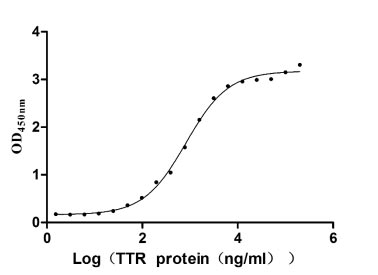
Recombinant Human Retinol-binding protein 4 (RBP4) (Active)
Express system: Mammalian cell
Species: Homo sapiens (Human)
-
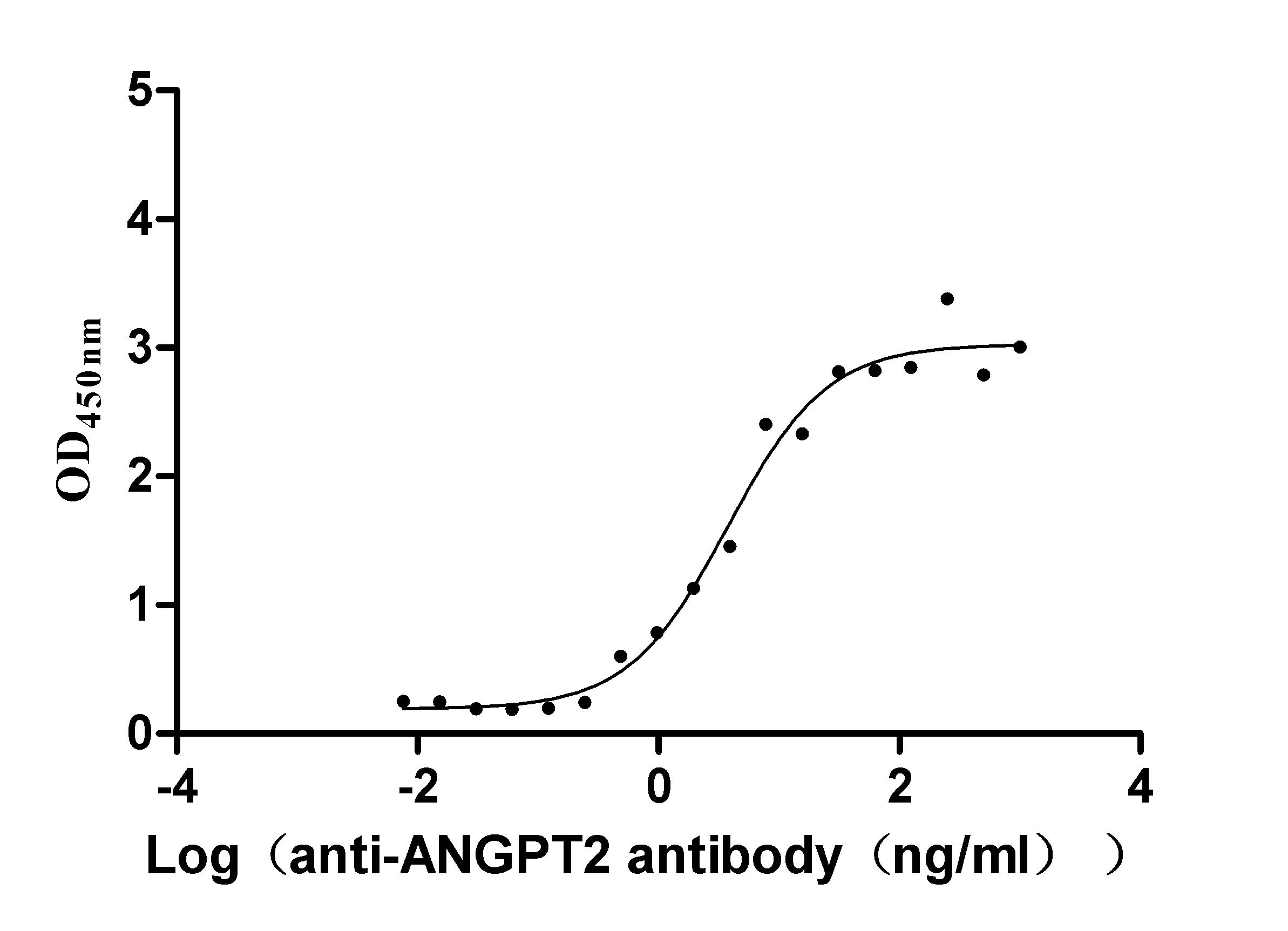
Recombinant Dog Angiopoietin-2 (ANGPT2) (Active)
Express system: Mammalian cell
Species: Canis lupus familiaris (Dog) (Canis familiaris)
-
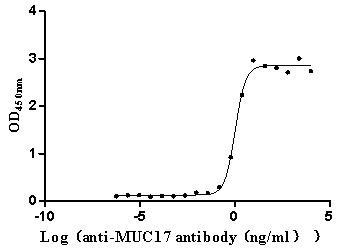
Recombinant Human Mucin-17 (MUC17), partial (Active)
Express system: Mammalian cell
Species: Homo sapiens (Human)
-
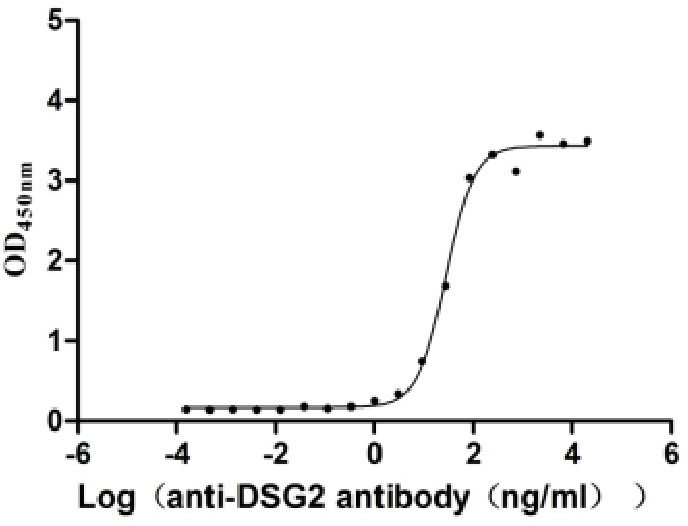
Recombinant Human Desmoglein-2 (DSG2), partial (Active)
Express system: Mammalian cell
Species: Homo sapiens (Human)
-
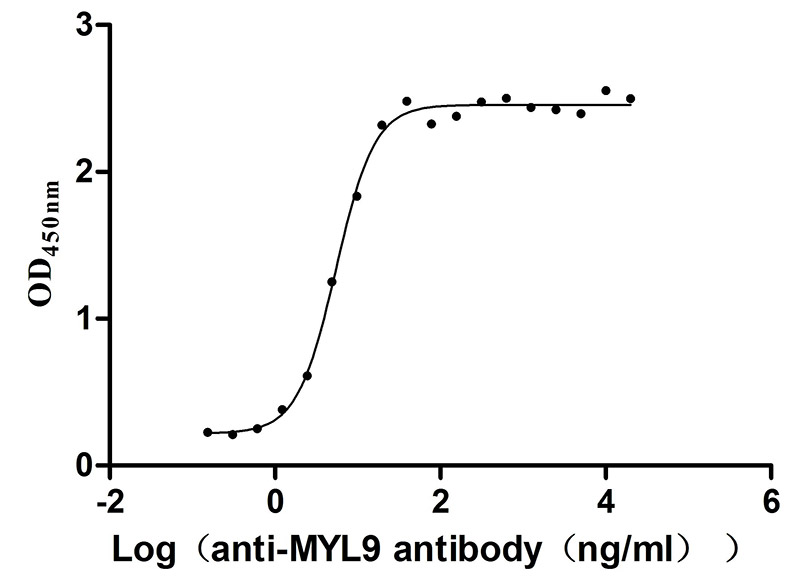
Recombinant Human Myosin regulatory light polypeptide 9 (MYL9) (Active)
Express system: Yeast
Species: Homo sapiens (Human)
-
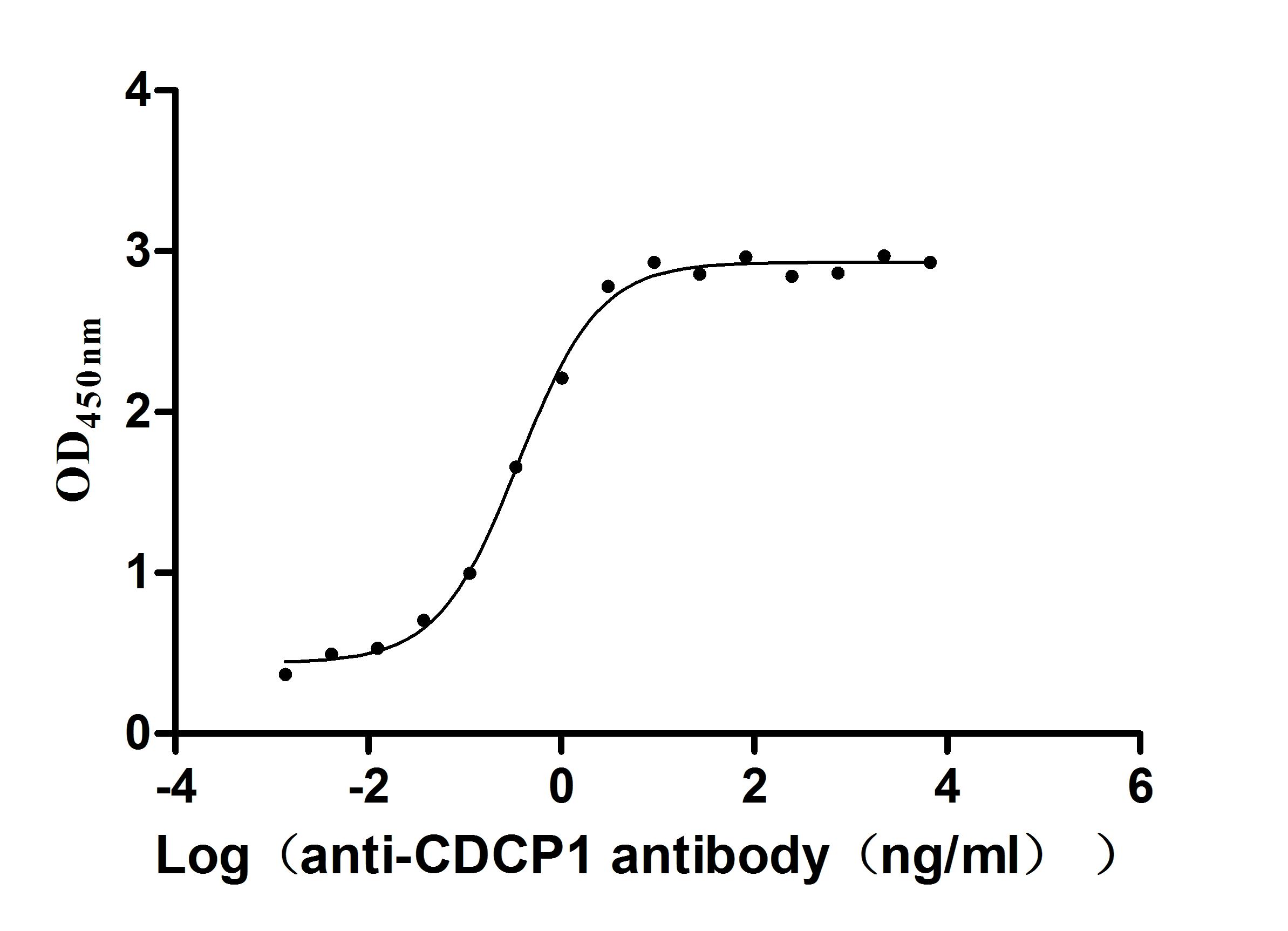
Recombinant Human CUB domain-containing protein 1 (CDCP1), partial (Active)
Express system: Mammalian cell
Species: Homo sapiens (Human)
-
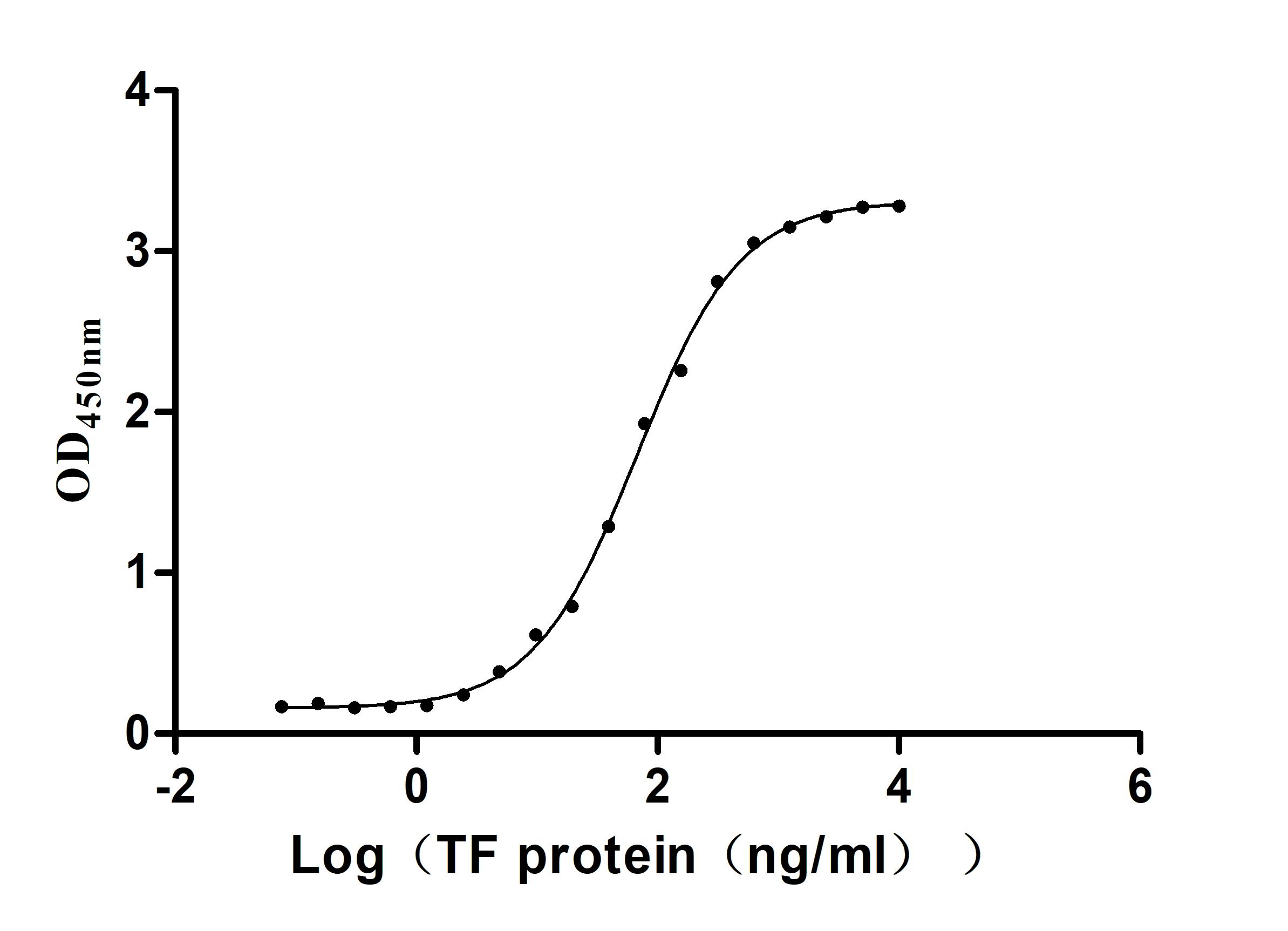
Recombinant Human Serotransferrin(TF) (Active)
Express system: Mammalian cell
Species: Homo sapiens (Human)
-
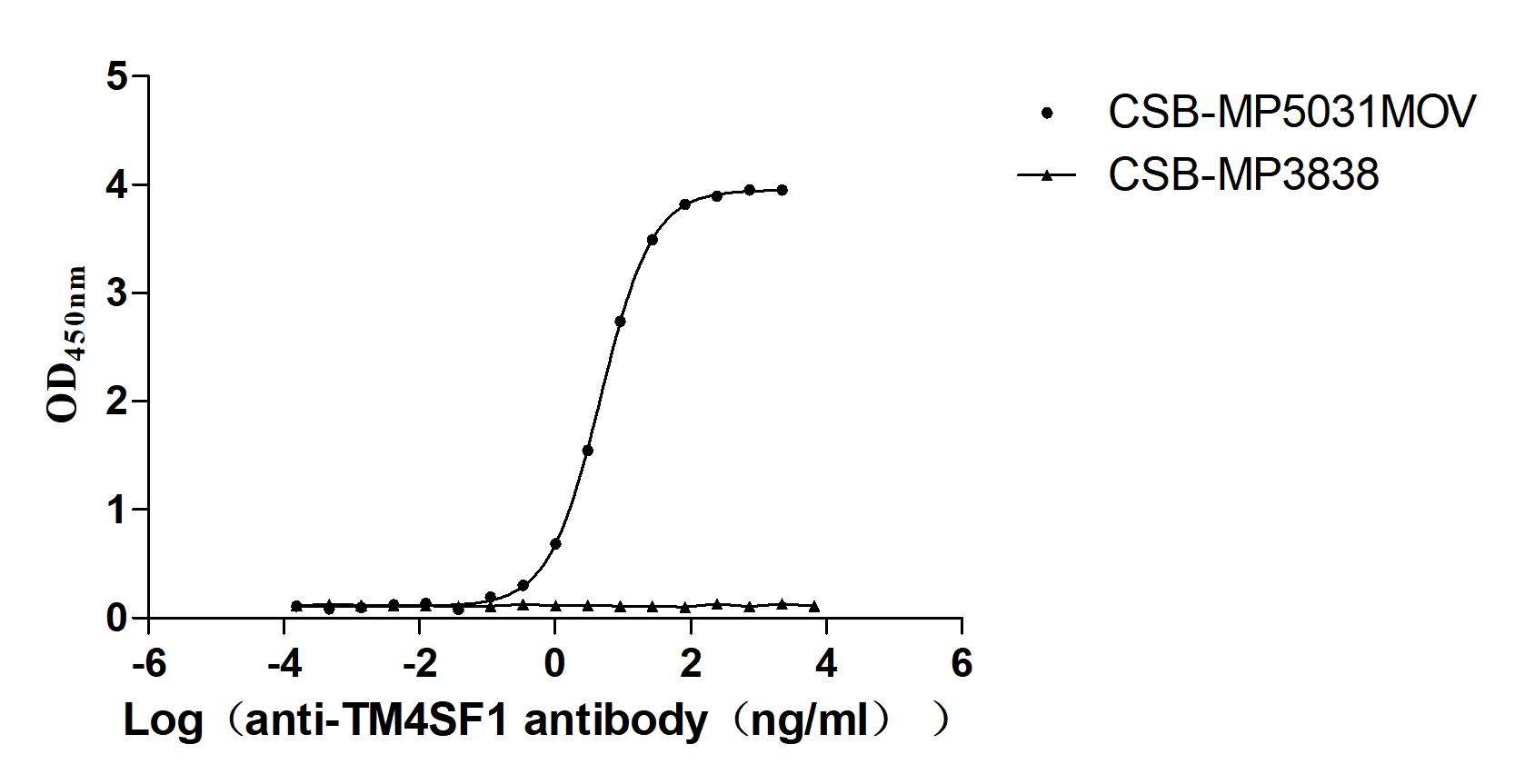
Recombinant Macaca fascicularis Transmembrane 4 L6 family member 1 (TM4SF1)-VLPs (Active)
Express system: Mammalian cell
Species: Macaca fascicularis (Crab-eating macaque) (Cynomolgus monkey)