Recombinant Mouse Retinoic acid receptor responder protein 2 (Rarres2)
-
中文名稱:小鼠Rarres2重組蛋白
-
貨號:CSB-EP866761MO-B
-
說明書:
-
規格:
-
來源:E.coli
-
共軛:Avi-tag Biotinylated
E. coli biotin ligase (BirA) is highly specific in covalently attaching biotin to the 15 amino acid AviTag peptide. This recombinant protein was biotinylated in vivo by AviTag-BirA technology, which method is BriA catalyzes amide linkage between the biotin and the specific lysine of the AviTag.
-
其他:
產品詳情
-
純度:>85% (SDS-PAGE)
-
基因名:Rarres2
-
Uniprot No.:
-
別名:Rarres2; Retinoic acid receptor responder protein 2; Chemerin
-
種屬:Mus musculus (Mouse)
-
蛋白長度:Full Length of Mature Protein
-
表達區域:20-162
-
氨基酸序列T EPELSETQRR SLQVALEEFH KHPPVQLAFQ EIGVDRAEEV LFSAGTFVRL EFKLQQTNCP KKDWKKPECT IKPNGRRRKC LACIKMDPKG KILGRIVHCP ILKQGPQDPQ ELQCIKIAQA GEDPHGYFLP GQFAFSRALR TK
-
蛋白標簽:Tag?type?will?be?determined?during?the?manufacturing?process.
The tag type will be determined during production process. If you have specified tag type, please tell us and we will develop the specified tag preferentially. -
產品提供形式:Lyophilized powder Warning: in_array() expects parameter 2 to be array, null given in /www/web/cusabio_cn/public_html/caches/caches_template/default/content/show_product_protein.php on line 662
Note: We will preferentially ship the format that we have in stock, however, if you have any special requirement for the format, please remark your requirement when placing the order, we will prepare according to your demand. -
復溶:We recommend that this vial be briefly centrifuged prior to opening to bring the contents to the bottom. Please reconstitute protein in deionized sterile water to a concentration of 0.1-1.0 mg/mL.We recommend to add 5-50% of glycerol (final concentration) and aliquot for long-term storage at -20℃/-80℃. Our default final concentration of glycerol is 50%. Customers could use it as reference.
-
儲存條件:Store at -20°C/-80°C upon receipt, aliquoting is necessary for mutiple use. Avoid repeated freeze-thaw cycles.
-
保質期:The shelf life is related to many factors, storage state, buffer ingredients, storage temperature and the stability of the protein itself.
Generally, the shelf life of liquid form is 6 months at -20°C/-80°C. The shelf life of lyophilized form is 12 months at -20°C/-80°C. -
貨期:Delivery time may differ from different purchasing way or location, please kindly consult your local distributors for specific delivery time.Note: All of our proteins are default shipped with normal blue ice packs, if you request to ship with dry ice, please communicate with us in advance and extra fees will be charged.
-
注意事項:Repeated freezing and thawing is not recommended. Store working aliquots at 4°C for up to one week.
-
Datasheet :Please contact us to get it.
產品評價

相關產品
靶點詳情
-
功能:Adipocyte-secreted protein (adipokine) that regulates adipogenesis, metabolism and inflammation through activation of the chemokine-like receptor 1 (CMKLR1). Acts also as a ligand for CMKLR2. Can also bind to C-C chemokine receptor-like 2 (CCRL2), but with a lower affinity than it does to CMKLR1 or CMKLR2. Positively regulates adipocyte differentiation, modulates the expression of adipocyte genes involved in lipid and glucose metabolism and might play a role in angiogenesis, a process essential for the expansion of white adipose tissue. Also acts as a proinflammatory adipokine, causing an increase in secretion of proinflammatory and prodiabetic adipokines, which further impair adipose tissue metabolic function and have negative systemic effects including impaired insulin sensitivity, altered glucose and lipid metabolism, and a decrease in vascular function in other tissues. Can have both pro- and anti-inflammatory properties depending on the modality of enzymatic cleavage by different classes of proteases. Acts as a chemotactic factor for leukocyte populations expressing CMKLR1, particularly immature plasmacytoid dendritic cells, but also immature myeloid DCs, macrophages and natural killer cells. Exerts an anti-inflammatory role by preventing TNF/TNFA-induced VCAM1 expression and monocytes adhesion in vascular endothelial cells. The effect is mediated via inhibiting activation of NF-kappa-B and CRK/p38 through stimulation of AKT1/NOS3 signaling and nitric oxide production. Exhibits an antimicrobial function in the skin.
-
基因功能參考文獻:
- Systemic and hepatic chemerin, and chemerin receptor activation were not changed in hepatocellular carcinoma. Chemerin protein was induced in liver in NASH, but was unchanged in HCC tissues. Hepatic and serum chemerin and ex vivo analyzed chemerin receptor activation do not differ in murine NASH-associated HCC when compared to NASH. PMID: 29715085
- endogenously secreted chemerin plays an autocrine/paracrine role in white adipose tissue, identifying chemerin as a therapeutic target to modulate adipose remodelling. PMID: 27461525
- elevated levels of chemerin were found in colons of mice with experimental colitis, and a neutralizing anti-chemerin antibody improved intestinal inflammation PMID: 24727542
- Data suggest a potential role for chemerin and CMKLR1 in the regulation of inflammatory responses in the tumor microenvironment. PMID: 21752353
- Suggest reduction of chemerin could contribute to the antiobesity/antidiabetic properties described for alpha-lipoic acid. PMID: 26721419
- Study indicates that Chemerin plays a role in the negative cross-talk between skeletal muscle and adipose tissue. Specifically, Chemerin promotes the adipogenic differentiation potential and alters the myoblast cell fate from myogenesis to adipogenesis. PMID: 26164089
- Data indicate that chemerin may play an important role in regulating mitochondrial remodelling and function in skeletal muscle. PMID: 25754411
- The chemerin15 (C15) precursor, chemerin, and its receptor, ChemR23, are both upregulated after skin damage and the receptor is expressed by macrophages, neutrophils, and keratinocytes. C15 delivery dampens immediate inflammatory events. PMID: 24881877
- findings reveal previously uncharacterized regulators of chemerin expression in skin and identify a physiologic role for chemerin in skin barrier defense against microbial pathogens. PMID: 25659101
- A novel autocrine/paracrine role for chemerin in regulating osteoclast differentiation of hematopoietic stem cells PMID: 23766088
- this study reports that retinoic acid-activated endothelial cells can promote myeloid and plasmacytoid dendritic cell transmigration across endothelial cell monolayers through the endogenous production of chemerin PMID: 24470498
- Data suggest that chemerin/ChemR23 (chemokine-like receptor 1) signaling is not essential for adipocyte differentiation, but it appears to play a role in control of body weight and energy metabolism as overweight/obesity progresses. PMID: 24084834
- Studies using isolated islets and perfused pancreas revealed impaired glucose-dependent insulin secretion (GSIS) in chemerin-deficient mice. Conversely, chemerin transgenic mice revealed enhanced GSIS and improved glucose tolerance. PMID: 22355640
- Following TNFalpha treatment, increased elastase and tryptase modify the balance between activation and deactivation, elevating active chemerin concentration in adipocyte media and subsequent CMKLR1 activation. PMID: 23227233
- results of this study indicate that chemerin plays a role in the negative cross-talk between skeletal muscle and adipose tissue to regulate myogenesis PMID: 22906999
- Downstream targets of Chemerin/ChemR23 signaling are phosphorylated in vitro and are expressed in mouse tooth development, suggesting roles for Chemerin/ChemR23-mediated epithelial-mesenchymal cell signaling during tooth morphogenesis. PMID: 23053848
- These results rule out the direct anti-inflammatory effect of chemerin on macrophages ex vivo, described previously in the literature, despite the expression of a functional ChemR23 receptor in these cells. PMID: 22768214
- Chemerin increases in airways during viral infection; Chemerin appears to have anti-inflammatory properties, by acting on ChemR23 expressed by non-leukocytic cells dampening the inflammatory response promoted by the viral infection; the chemerin/ChemR23 system plays important roles in the physiopathology of viral pneumonia PMID: 22072972
- a fundamental role for chemerin/CMKLR1 signaling in clonal expansion during adipocyte differentiation as well as a role for PPARgamma in regulating chemerin expression. PMID: 21572083
- The current data show that adipocyte hypertrophy and chronic inflammation are equally important in inducing chemerin synthesis. PMID: 21084441
- Macrophage chemoattractant protein chemerin, which is generated at sites of inflammation, rapidly stimulates adhesion of peritoneal macrophages to fibronectin and VCAM-1 by promoting clustering of integrins VLA-5 and VLA-4, respectively. PMID: 20720202
- data support a novel role for chemerin/CMKLR1 signaling in regulating adipogenesis and osteoblastogenesis of bone marrow-derived precursor cells PMID: 19929432
- Results identified TNFalpha as a positive regulator of adipocyte-derived chemerin. PMID: 20363880
- Ablation of the chemerin gene RARRES-2 may result in mice with a more overt phenotype than that of ChemR23-deficient mice through removal of chemerin-derived ligands for ChemR23. PMID: 20363975
- Data provide evidence that serum chemerin levels are elevated in obesity and diabetes. PMID: 20228173
- chemerin is a novel adipose-derived signaling molecule that regulates adipogenesis and adipocyte metabolism PMID: 17635925
- Thus, the adipokine chemerin likely regulates adipocyte function by autocrine/paracrine mechanisms. PMID: 17767914
- These data establish that chemerin is a novel adipokine that regulates adipocyte function. PMID: 18242188
- Interleukin-1beta induces the novel adipokine chemerin in adipocytes in vitro. PMID: 19233230
- Rarres2 is highly expressed in adipose tissue and during adipocyte differentiation. PMID: 17640997
顯示更多
收起更多
-
亞細胞定位:Secreted.
-
組織特異性:Expressed in the differentiated adipocytes (at protein level). Abundantly expressed in the liver, adipose tissue including visceral, epididymal, and brown adipose tissue.
-
數據庫鏈接:
Most popular with customers
-
-AC1.jpg)
Recombinant Human C-X-C chemokine receptor type 4 (CXCR4)-VLPs (Active)
Express system: Mammalian cell
Species: Homo sapiens (Human)
-
-AC1.jpg)
Recombinant Mouse Claudin-18.2 (Cldn18.2)-VLPs (Active)
Express system: Mammalian cell
Species: Mus musculus (Mouse)
-
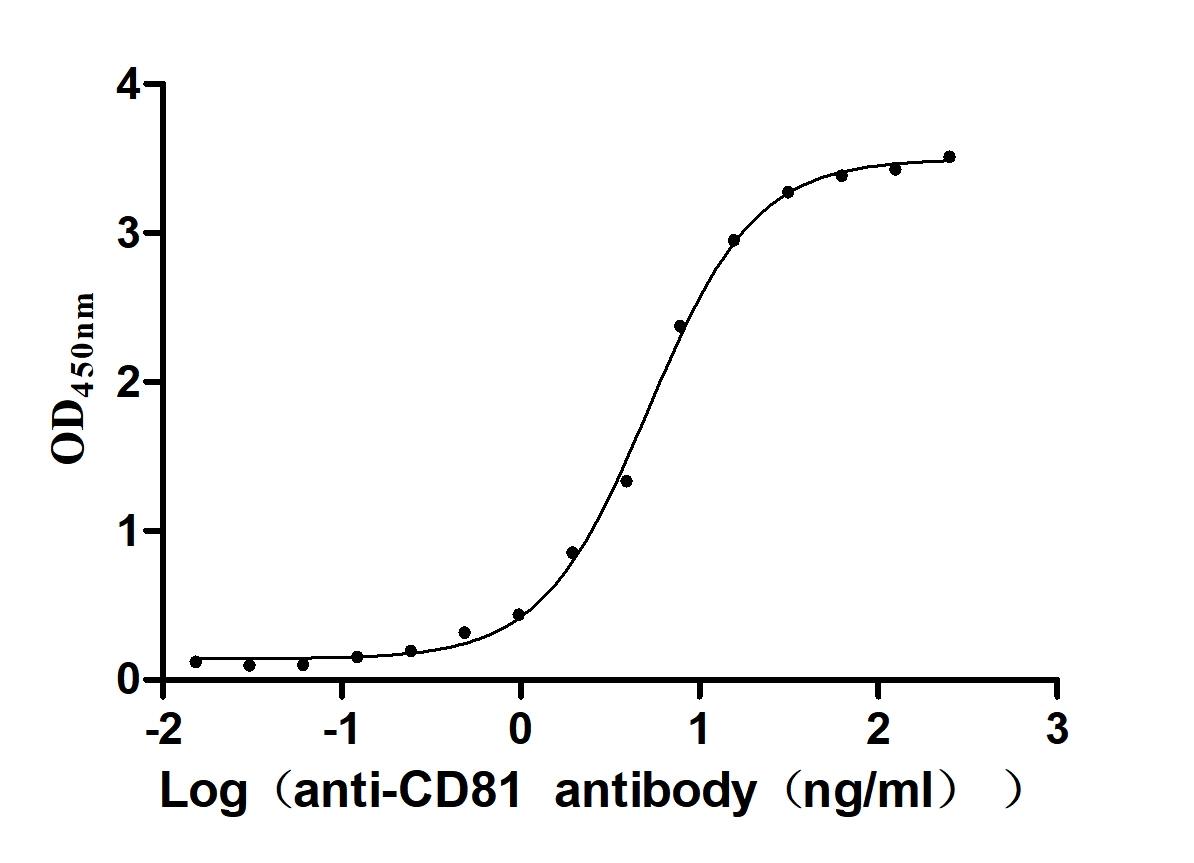
Recombinant Human CD81 antigen (CD81), partial (Active)
Express system: Mammalian cell
Species: Homo sapiens (Human)
-
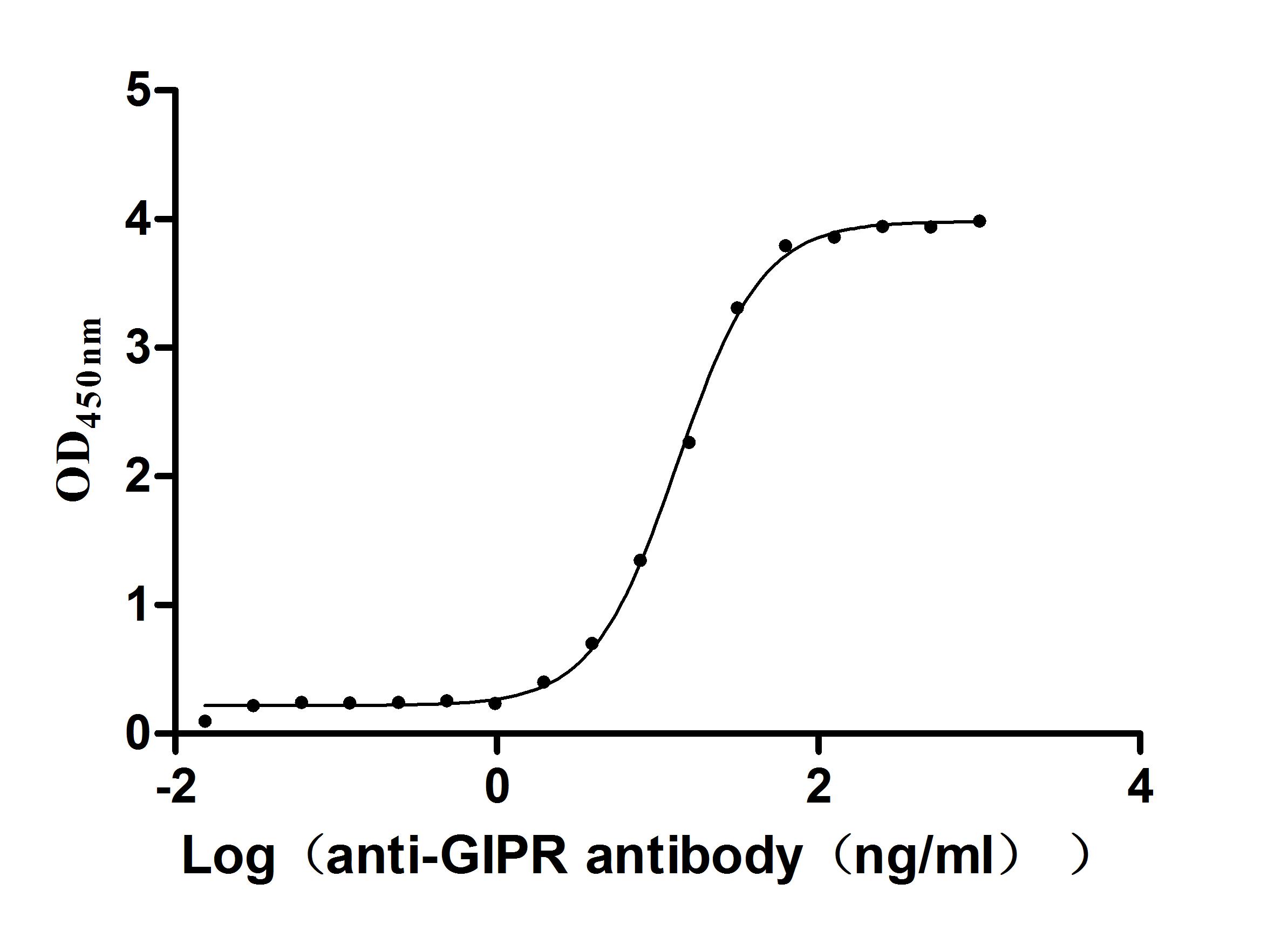
Recombinant Macaca fascicularis Gastric inhibitory polypeptide receptor (GIPR), partial (Active)
Express system: yeast
Species: Macaca fascicularis (Crab-eating macaque) (Cynomolgus monkey)
-
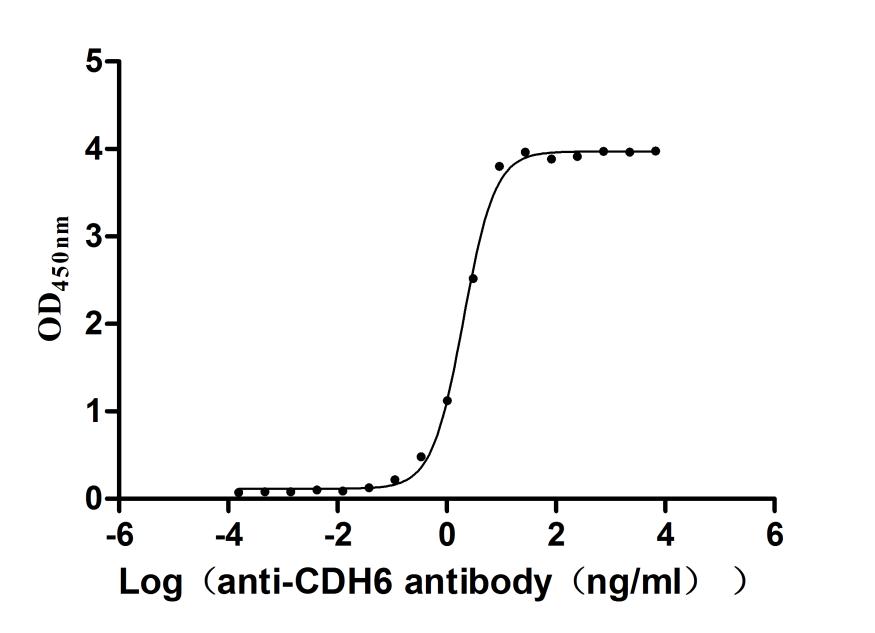
Recombinant Mouse Cadherin-6 (Cdh6), partial (Active)
Express system: Mammalian cell
Species: Mus musculus (Mouse)