Recombinant Mouse Peroxisome proliferator-activated receptor delta (Ppard)
-
中文名稱:小鼠Ppard重組蛋白
-
貨號(hào):CSB-YP018423MO
-
規(guī)格:
-
來(lái)源:Yeast
-
其他:
-
中文名稱:小鼠Ppard重組蛋白
-
貨號(hào):CSB-EP018423MO
-
規(guī)格:
-
來(lái)源:E.coli
-
其他:
-
中文名稱:小鼠Ppard重組蛋白
-
貨號(hào):CSB-EP018423MO-B
-
規(guī)格:
-
來(lái)源:E.coli
-
共軛:Avi-tag Biotinylated
E. coli biotin ligase (BirA) is highly specific in covalently attaching biotin to the 15 amino acid AviTag peptide. This recombinant protein was biotinylated in vivo by AviTag-BirA technology, which method is BriA catalyzes amide linkage between the biotin and the specific lysine of the AviTag.
-
其他:
-
中文名稱:小鼠Ppard重組蛋白
-
貨號(hào):CSB-BP018423MO
-
規(guī)格:
-
來(lái)源:Baculovirus
-
其他:
-
中文名稱:小鼠Ppard重組蛋白
-
貨號(hào):CSB-MP018423MO
-
規(guī)格:
-
來(lái)源:Mammalian cell
-
其他:
產(chǎn)品詳情
-
純度:>85% (SDS-PAGE)
-
基因名:
-
Uniprot No.:
-
別名:Ppard; Nr1c2; Pparb; Peroxisome proliferator-activated receptor delta; PPAR-delta; Nuclear hormone receptor 1; NUC1; Nuclear receptor subfamily 1 group C member 2; Peroxisome proliferator-activated receptor beta; PPAR-beta
-
種屬:Mus musculus (Mouse)
-
蛋白長(zhǎng)度:Full length protein
-
表達(dá)區(qū)域:1-440
-
氨基酸序列MEQPQEETPE AREEEKEEVA MGDGAPELNG GPEHTLPSSS CADLSQNSSP SSLLDQLQMG CDGASGGSLN MECRVCGDKA SGFHYGVHAC EGCKGFFRRT IRMKLEYEKC DRICKIQKKN RNKCQYCRFQ KCLALGMSHN AIRFGRMPEA EKRKLVAGLT ASEGCQHNPQ LADLKAFSKH IYNAYLKNFN MTKKKARSIL TGKSSHNAPF VIHDIETLWQ AEKGLVWKQL VNGLPPYNEI SVHVFYRCQS TTVETVRELT EFAKNIPNFS SLFLNDQVTL LKYGVHEAIF AMLASIVNKD GLLVANGSGF VTHEFLRSLR KPFSDIIEPK FEFAVKFNAL ELDDSDLALF IAAIILCGDR PGLMNVPQVE AIQDTILRAL EFHLQVNHPD SQYLFPKLLQ KMADLRQLVT EHAQMMQWLK KTESETLLHP LLQEIYKDMY
-
蛋白標(biāo)簽:Tag?type?will?be?determined?during?the?manufacturing?process.
The tag type will be determined during production process. If you have specified tag type, please tell us and we will develop the specified tag preferentially. -
產(chǎn)品提供形式:Lyophilized powder
Note: We will preferentially ship the format that we have in stock, however, if you have any special requirement for the format, please remark your requirement when placing the order, we will prepare according to your demand. -
復(fù)溶:We recommend that this vial be briefly centrifuged prior to opening to bring the contents to the bottom. Please reconstitute protein in deionized sterile water to a concentration of 0.1-1.0 mg/mL.We recommend to add 5-50% of glycerol (final concentration) and aliquot for long-term storage at -20℃/-80℃. Our default final concentration of glycerol is 50%. Customers could use it as reference.
-
儲(chǔ)存條件:Store at -20°C/-80°C upon receipt, aliquoting is necessary for mutiple use. Avoid repeated freeze-thaw cycles.
-
保質(zhì)期:The shelf life is related to many factors, storage state, buffer ingredients, storage temperature and the stability of the protein itself.
Generally, the shelf life of liquid form is 6 months at -20°C/-80°C. The shelf life of lyophilized form is 12 months at -20°C/-80°C. -
貨期:Delivery time may differ from different purchasing way or location, please kindly consult your local distributors for specific delivery time.Note: All of our proteins are default shipped with normal blue ice packs, if you request to ship with dry ice, please communicate with us in advance and extra fees will be charged.
-
注意事項(xiàng):Repeated freezing and thawing is not recommended. Store working aliquots at 4°C for up to one week.
-
Datasheet :Please contact us to get it.
產(chǎn)品評(píng)價(jià)

靶點(diǎn)詳情
-
功能:Ligand-activated transcription factor. Receptor that binds peroxisome proliferators such as hypolipidemic drugs and fatty acids. Has a preference for poly-unsaturated fatty acids, such as gamma-linoleic acid and eicosapentanoic acid. Once activated by a ligand, the receptor binds to promoter elements of target genes. Regulates the peroxisomal beta-oxidation pathway of fatty acids. Functions as transcription activator for the acyl-CoA oxidase gene. Decreases expression of NPC1L1 once activated by a ligand.
-
基因功能參考文獻(xiàn):
- The results confirmed that silencing miR29a induced a decrease in glucose transport and affected lipid metabolism in PAtreated C2C12 cells, and therefore may be involved in insulin resistance by targeting PPARdelta in skeletal muscle. PMID: 29693165
- Deletion of intestinal PPARdelta protects against diet-induced obesity, insulin resistance and dyslipidemia. PMID: 28404991
- Data suggest that interaction of Ppard with Tcptp45 blunts insulin resistance and leads to retention of Tcptp45 in nucleus of hepatocytes, myotubes, and adipocytes; alteration of such interactions may be involved in insulin resistance observed in obesity. (Ppard = peroxisome proliferator activator receptor delta; Tcptp45 = protein tyrosine phosphatase non-receptor type 2 [Ptpn2], 45kDa alternative splicing variant) PMID: 29233935
- CRY1/2 seem to repress a distinct subset of PPAR delta target genes in muscle compared to the co-repressor NCOR1. In vivo, genetic disruption of Cry1 and Cry2 enhances sprint exercise performance in mice. PMID: 28683290
- Exhaustion of systemic glucose limits endurance exercise. PPARdelta regulates substrate utilization without mitochondrial biogenesis. PPARdelta represses glycolytic genes in muscle to slow glucose consumption. Glucose sparing by PPARdelta dramatically extends running time. PMID: 28467934
- The HFHC diet polarized the liver toward a proinflammatory M1 state, which was reversed by GW1516 intervention. Thus, PPARdelta agonist treatment inhibits the progression of preestablished hepatic steatosis. PMID: 24864274
- data suggested that PPARbeta-regulated PDK1/Akt and E2f signaling that controls metabolism and proliferation is involved in the normal progression of liver regeneration PMID: 23823620
- Since the R6/2 mice represent a 'truncated' huntingtin (Htt) mouse model of Huntington's disease (HD), we tested the efficacy of bezafibrate in a 'full-length' Htt mouse model, the BACHD mice. Bezafibrate treatment restored the impaired PPARg, PPARd, PGC-1a signaling pathway, enhanced mitochondrial biogenesis and improved antioxidant defense in the striatum of BACHD mice PMID: 27008868
- we demonstrated that by modulating mitochondrial energy metabolism through Mfn2 and mitochondrial Ca2+, PPAR-b took an important role in neuronal differentiation induced by flavonoid compound 4a PMID: 27315062
- PPAR-delta activation prevents in-stent restenosis and stent thrombosis. PMID: 27283742
- The results demonstrate that PPARdelta-mediated inhibition of ER stress contributes to the vascular benefits of exercise. PMID: 27856609
- this study shows that PPARbeta/delta is an important regulator of mast cell phenotype PMID: 27935639
- findings identify LPCAT3 as a direct PPARdelta target gene and suggest a novel function of PPARdelta in regulation of phospholipid metabolism through LPCAT3. PMID: 27913621
- Taken together, we provide crucial evidence that miR-132 plays a key role in regulating osteogenic differentiation through Sirt1 in a PPARbeta/delta-dependent manner, indicating that miR-132 and Sirt1-PPARbeta/delta may act as potential therapeutic targets for T2DM-induced osteoporosis. PMID: 27422605
- results from the present study demonstrate a novel regulatory role of PPARbeta/delta in modulating CYP2B10 that may contribute to the etiology of alcoholic liver disease. PMID: 27765815
- PPARbeta/PPARgamma activation restored the LPS-induced endothelial dysfunction by upregulation of UCP2, with the subsequent alleviation of ER stress and NADPH oxidase activity, thus reducing intracellular reactive oxygen species production and increasing nitric oxide bioavailability. PMID: 27179975
- Leucine significantly increased PPARbeta/delta expression with enhanced glucose transporter 4 (GLUT4) content and glucose uptake in myotubes. PMID: 27345255
- Although further studies are required to establish the role of PPARbeta/delta in lung tissue, this study indicates the possibility that PPARbeta/delta agonists may be useful as new therapeutic agents for pulmonary emphysema PMID: 27150147
- This study reports that high sodium intake remarkably increased natriuresis in wild-type mice, but this effect was blunted in adipose-specific PPARdelta knockout mice and diabetic mice. PMID: 27053360
- PPAR-delta agonist reduces fatty acid-induced inflammation and steatosis by suppressing inflammasome activation. PMID: 26668503
- These results suggest that hippocampal PPARdelta upregulation represses stress-induced depressive behaviors, accompanied by enhancement of neurogenesis. PMID: 26362775
- Data suggest enhancement of hepatocyte mitochondrial biogenesis and beta-oxidation by all-trans-retinoic acid requires peroxisome proliferator activated receptor delta; retinoic acid receptor alpha/beta do not appear to be involved in this response. PMID: 26921399
- BAIBA attenuates insulin resistance, suppresses inflammation and induces fatty acid oxidation via the AMPK-PPARdelta pathway in skeletal muscle PMID: 26105792
- Collectively, these results suggest that PPARbeta/delta enhances myoblast differentiation through activation of promyogenic signaling pathways. PMID: 26768366
- Expression of dominant-negative PPAR-delta in the CNS was sufficient to induce motor dysfunction, neurodegeneration, mitochondrial abnormalities and transcriptional alterations that recapitulated Huntington disease-like phenotypes. PMID: 26642438
- These results suggest that PPARdelta protects against the neuronal effects of fatty acids, which differentially affect neurochemical systems involved in ingestive behavior. PMID: 26332891
- Study suggests that neuronal PPARg or PPARd does not counteract MPTP-induced toxicity PMID: 26028469
- Training increases energy availability by promoting catabolism of proteins, and gluconeogenesis, whereas GW501516 enhances specific consumption of fatty acids and reducing glucose utilization. PMID: 25943561
- results reveal for the first time that PPARD regulates spermatogenesis by modulating the function of Sertoli cells during early testis development. PMID: 26242735
- Data show that peroxisome-proliferator-activated receptor beta/delta (PPARbeta/delta) activation restored the lipid-induced endothelial dysfunction by up-regulation of carnitine palmitoyltransferase)-1 (CPT-1). PMID: 26253087
- Data show that peroxisome proliferator activator receptor delta (PPARdelta/beta) directly regulates CD300a protein in macrophages. PMID: 24958459
- Absence of PPARbeta/delta leads to loss of satellite cells, impaired skeletal muscle regeneration, and postnatal myogenesis. PMID: 25921579
- Endothelial, but not smooth muscle, PPARgamma/PPARdelta regulates vascular permeability and anaphylaxis. PMID: 25556996
- The data indicate a novel detrimental age-dependent role of PPAR beta/delta in Alzheimer disease by increasing pro-BDNF and decreasing BDNF/TrkB survival pathways. PMID: 24621497
- PPAR-gamma and PPAR-delta upregulation of SIRT1 modulates the status of HMGB1 acetylation. PMID: 25275593
- appears to regulate myostatin and PPARgamma expression in muscle and bone PMID: 25279796
- Data (including data from transgenic mice) suggest that Ppard activation (here using GW501516) elicits dramatic changes in metabolic activities in placenta including glycolysis and biosynthesis of phosphatidylethanolamine and syncytin-A. PMID: 24920036
- Peroxisome proliferator-activated receptor delta promotes the progression of posttraumatic osteoarthritis in a mouse model. PMID: 25331977
- Data show that peroxisome proliferator-activated receptor-beta/delta (PPARbeta/delta) promotes HRAS-induced senescence to inhibit tumorigenesis by potentiating p-ERK1/2 and repressing p-AKT signaling. PMID: 24213576
- No differences in kidney histology were observed in any of the experimental groups. Kefir, koumiss, yogurt and the commercial probiotic preparation increased PPARalpha and PPAR-beta/delta expressions. PMID: 24205877
- new role for ER stress and UPR that attenuates H-RAS-induced senescence and suggest that PPARbeta/delta can repress this oncogene-induced ER stress to promote senescence in accordance with its role as a tumor modifier that suppresses carcinogenesis PMID: 24898257
- PPARbeta/delta-null mice developed fewer and smaller skin tumours, and a PPARbeta/delta antagonist prevented UV-dependent Src stimulation. PMID: 24203162
- PPAR delta Mediates the Effects of Desnutrin-Catalyzed Lipolysis on Insulin Secretion PMID: 24268737
- PPARdelta promotes colonic inflammation and colitis-associated tumor growth via the COX-2-derived PGE2 signaling axis that mediates cross-talk between tumor epithelial cells and macrophages. PMID: 24763687
- Serotonin 2B receptor (5-HT2B R) signals through prostacyclin and PPAR-ss/delta in osteoblasts. PMID: 24069449
- PPAR-d upregulation greatly enhances susceptibility to colonic tumorigenesis. PMID: 24681603
- Pleiotropic effects of peroxisome proliferator-activated receptor gamma and delta in vascular diseases. [review] PMID: 24107399
- All-trans retinoic acid levels, RAR-mediated signaling and signaling involved in PPARdelta pathways are mainly increased in allergen-induced dermatitis and may contribute to the development and/or maintenance of allergic skin diseases. PMID: 23977003
- Increasing delta-9 desaturase activity of muscle increases metabolic function, exercise capacity, and lipid oxidation which increases PPARD expression and activity. PMID: 23918045
- These data suggest that M2 macrophages represent a unique niche for long-term intracellular bacterial survival and link the PPARdelta-regulated metabolic state of the host cell to persistent bacterial infection. PMID: 23954156
顯示更多
收起更多
-
亞細(xì)胞定位:Nucleus.
-
蛋白家族:Nuclear hormone receptor family, NR1 subfamily
-
組織特異性:Heart, adrenal and intestine.
-
數(shù)據(jù)庫(kù)鏈接:
Most popular with customers
-
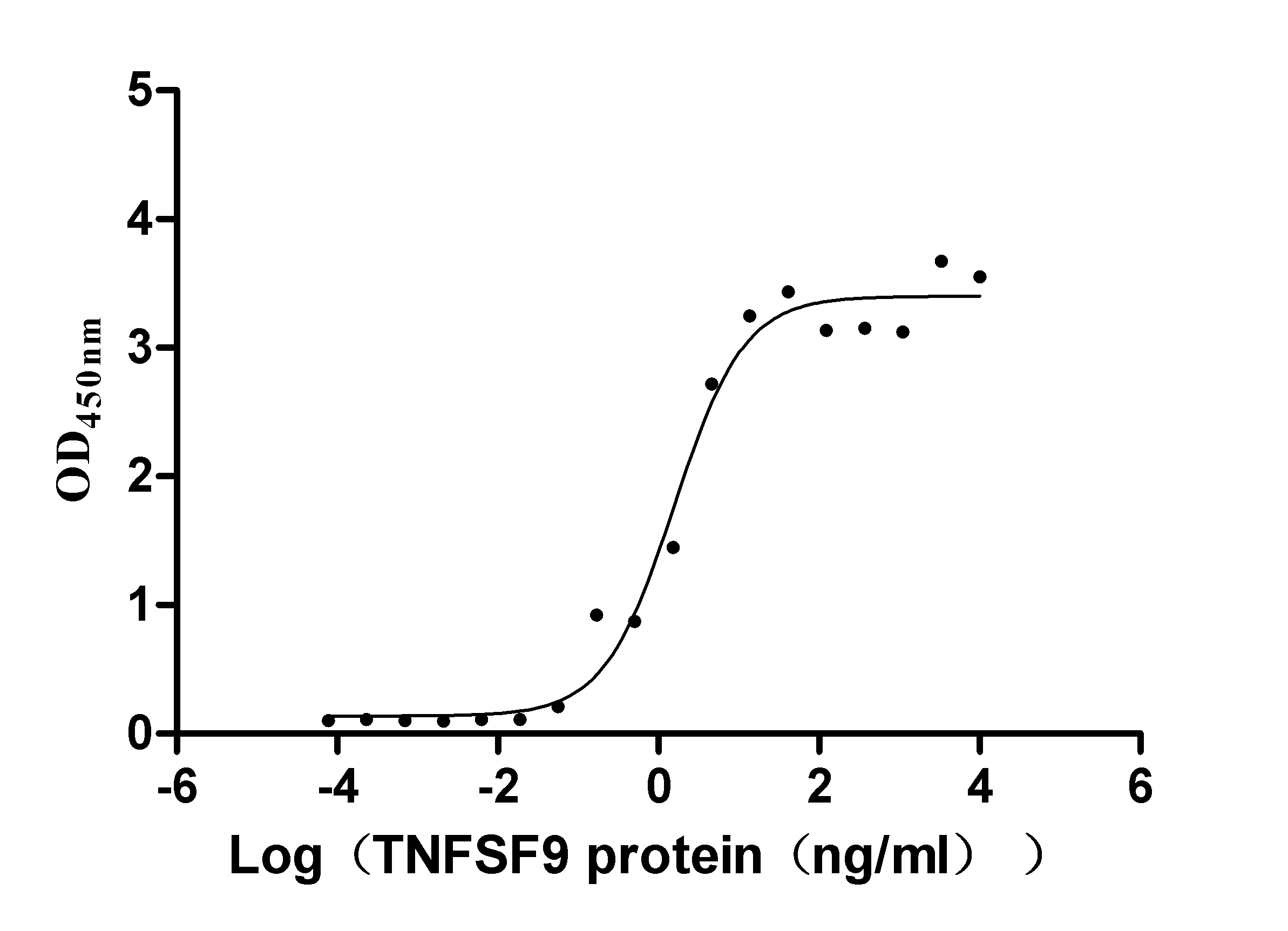
Recombinant Human Tumor necrosis factor receptor superfamily member 9 (TNFRSF9), partial (Active)
Express system: Mammalian cell
Species: Homo sapiens (Human)
-
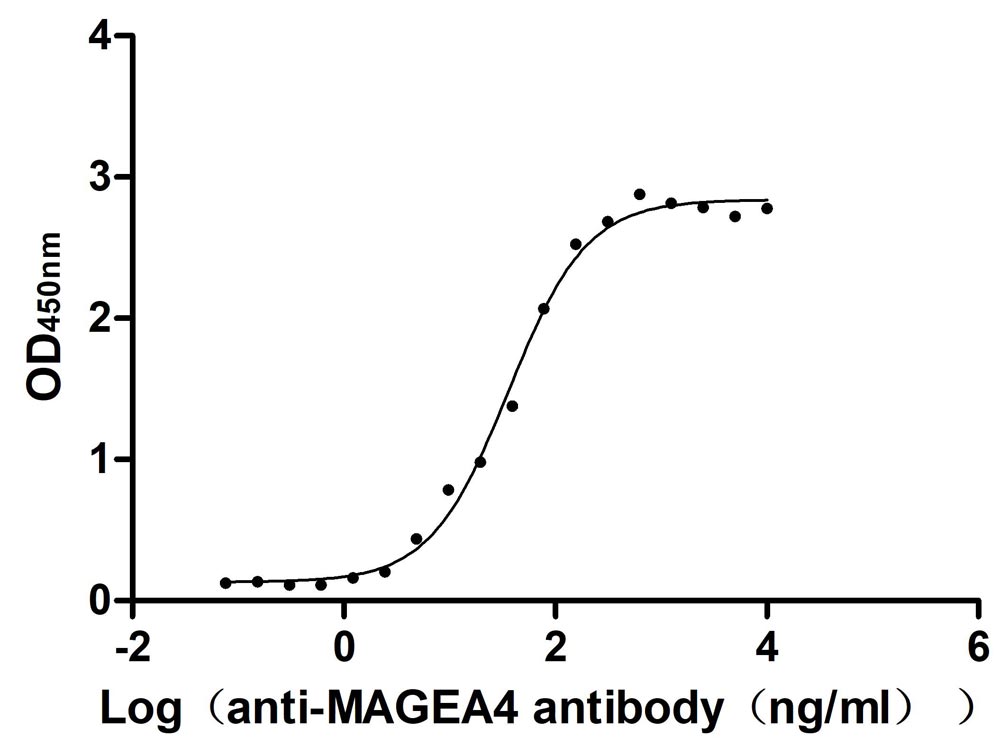
Recombinant Human Melanoma-associated antigen 4 (MAGEA4) (Active)
Express system: Mammalian cell
Species: Homo sapiens (Human)
-
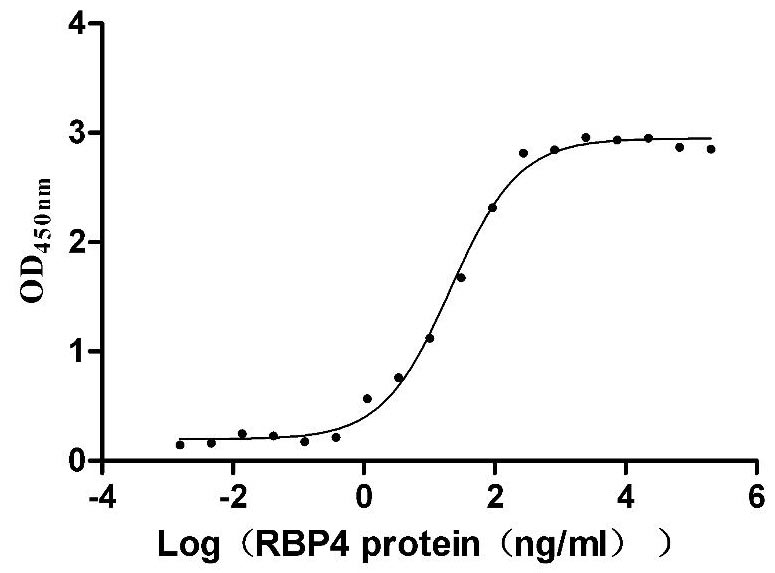
Recombinant Mouse Transthyretin (Ttr) (Active)
Express system: Mammalian cell
Species: Mus musculus (Mouse)
-
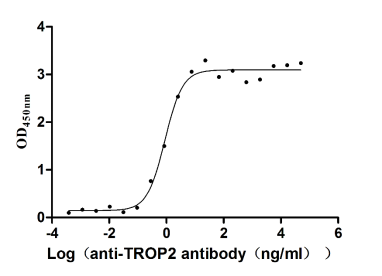
Recombinant Human Tumor-associated calcium signal transducer 2 (TACSTD2), partial (Active)
Express system: Mammalian cell
Species: Homo sapiens (Human)
-
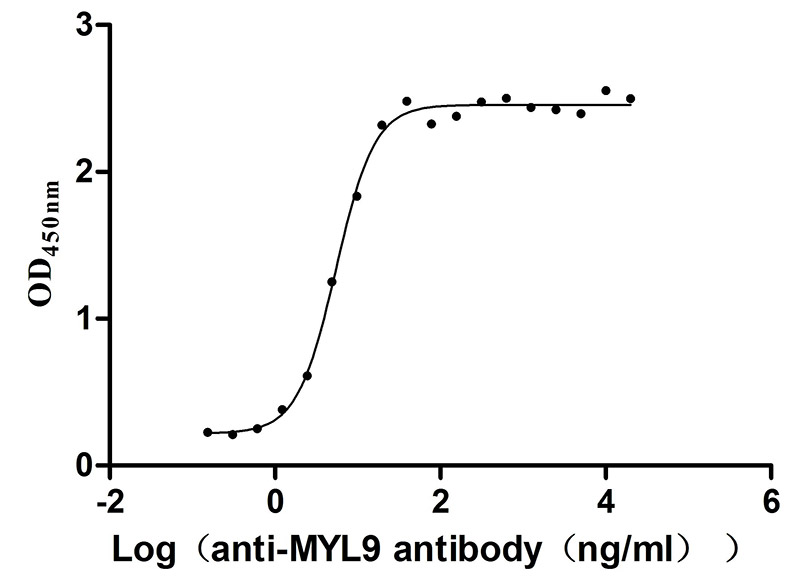
Recombinant Human Myosin regulatory light polypeptide 9 (MYL9) (Active)
Express system: Yeast
Species: Homo sapiens (Human)
-
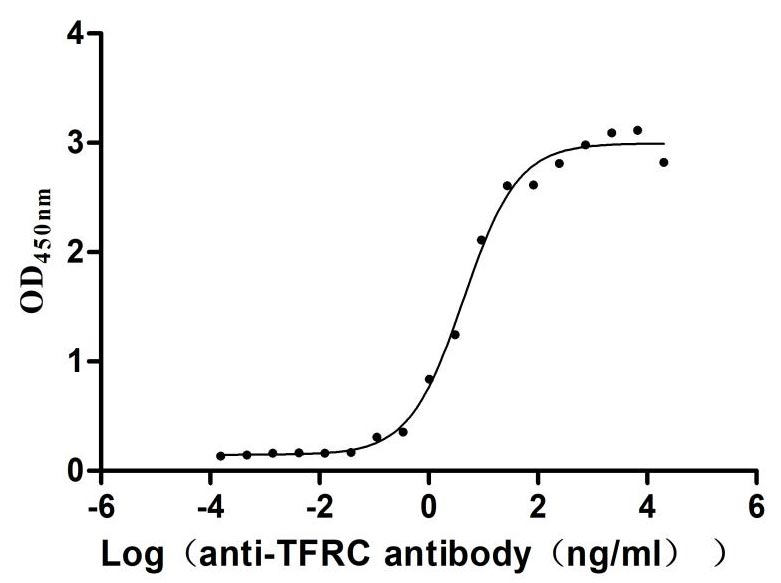
Recombinant Human Transferrin receptor protein 1 (TFRC), partial (Active)
Express system: Mammalian cell
Species: Homo sapiens (Human)
-
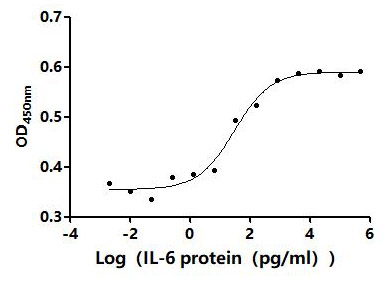
-
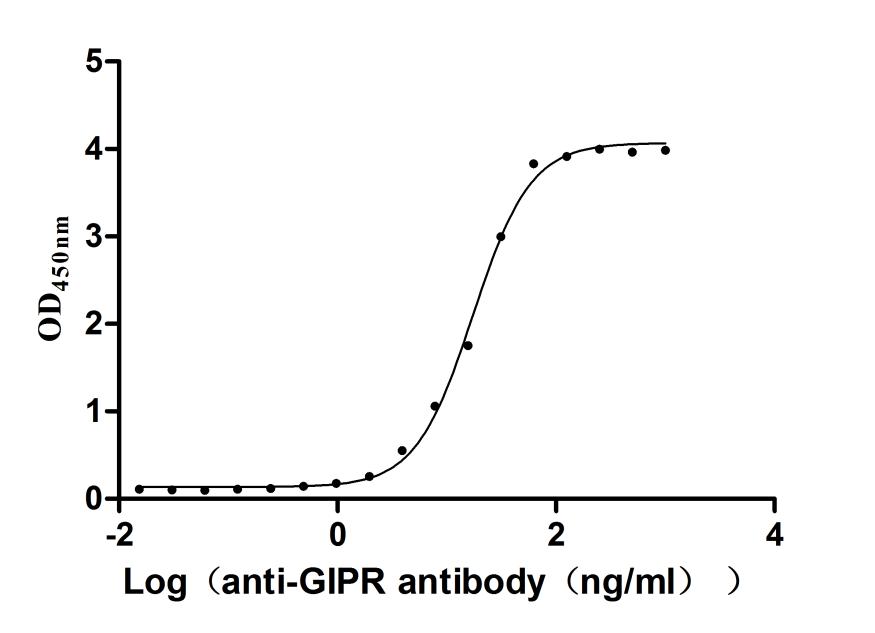
Recombinant Human Gastric inhibitory polypeptide receptor(GIPR),partial (Active)
Express system: Mammalian cell
Species: Homo sapiens (Human)