Recombinant Mouse Macrophage scavenger receptor types I and II (Msr1), partial
-
中文名稱:小鼠Msr1重組蛋白
-
貨號:CSB-YP015050MO1
-
規(guī)格:
-
來源:Yeast
-
其他:
-
中文名稱:小鼠Msr1重組蛋白
-
貨號:CSB-EP015050MO1
-
規(guī)格:
-
來源:E.coli
-
其他:
-
中文名稱:小鼠Msr1重組蛋白
-
貨號:CSB-EP015050MO1-B
-
規(guī)格:
-
來源:E.coli
-
共軛:Avi-tag Biotinylated
E. coli biotin ligase (BirA) is highly specific in covalently attaching biotin to the 15 amino acid AviTag peptide. This recombinant protein was biotinylated in vivo by AviTag-BirA technology, which method is BriA catalyzes amide linkage between the biotin and the specific lysine of the AviTag.
-
其他:
-
中文名稱:小鼠Msr1重組蛋白
-
貨號:CSB-BP015050MO1
-
規(guī)格:
-
來源:Baculovirus
-
其他:
-
中文名稱:小鼠Msr1重組蛋白
-
貨號:CSB-MP015050MO1
-
規(guī)格:
-
來源:Mammalian cell
-
其他:
產(chǎn)品詳情
-
純度:>85% (SDS-PAGE)
-
基因名:Msr1
-
Uniprot No.:
-
別名:Msr1; Scvr; Macrophage scavenger receptor types I and II; Macrophage acetylated LDL receptor I and II; Scavenger receptor type A; SR-A; CD antigen CD204
-
種屬:Mus musculus (Mouse)
-
蛋白長度:Partial
-
蛋白標(biāo)簽:Tag?type?will?be?determined?during?the?manufacturing?process.
The tag type will be determined during production process. If you have specified tag type, please tell us and we will develop the specified tag preferentially. -
產(chǎn)品提供形式:Lyophilized powder
Note: We will preferentially ship the format that we have in stock, however, if you have any special requirement for the format, please remark your requirement when placing the order, we will prepare according to your demand. -
復(fù)溶:We recommend that this vial be briefly centrifuged prior to opening to bring the contents to the bottom. Please reconstitute protein in deionized sterile water to a concentration of 0.1-1.0 mg/mL.We recommend to add 5-50% of glycerol (final concentration) and aliquot for long-term storage at -20℃/-80℃. Our default final concentration of glycerol is 50%. Customers could use it as reference.
-
儲存條件:Store at -20°C/-80°C upon receipt, aliquoting is necessary for mutiple use. Avoid repeated freeze-thaw cycles.
-
保質(zhì)期:The shelf life is related to many factors, storage state, buffer ingredients, storage temperature and the stability of the protein itself.
Generally, the shelf life of liquid form is 6 months at -20°C/-80°C. The shelf life of lyophilized form is 12 months at -20°C/-80°C. -
貨期:Delivery time may differ from different purchasing way or location, please kindly consult your local distributors for specific delivery time.Note: All of our proteins are default shipped with normal blue ice packs, if you request to ship with dry ice, please communicate with us in advance and extra fees will be charged.
-
注意事項(xiàng):Repeated freezing and thawing is not recommended. Store working aliquots at 4°C for up to one week.
-
Datasheet :Please contact us to get it.
產(chǎn)品評價(jià)

相關(guān)產(chǎn)品
靶點(diǎn)詳情
-
功能:Membrane glycoproteins implicated in the pathologic deposition of cholesterol in arterial walls during atherogenesis. Two types of receptor subunits exist. These receptors mediate the endocytosis of a diverse group of macromolecules, including modified low density lipoproteins (LDL).
-
基因功能參考文獻(xiàn):
- Custom-produced fluorescently labeled versions of MOG or MDA-modified MOG was used to study and quantify the uptake by different macrophage populations (especially anti-inflammatory M2-type macrophages) and to identify the responsible receptor, namely SRA. The SRA-mediated uptake of MDA-modified MOG is roughly tenfold more efficient compared to that of the native form. PMID: 28828577
- TMP upregulated the protein stability of ABCA1 without affecting ABCG1. Accordingly, TMP regulated the expression of SR-A, CD36, ABCA1 and ABCG1 in aortas of ApoE-/- mice, which resembled the findings observed in macrophages. PMID: 28791414
- LPS may increase Ac-LDL uptake and enhance CD204 expression through MAPK/ERK activation in bone marrow-derived macrophages. PMID: 29032172
- The low magnitude of opsonin-independent phagocytosis of Escherichia coli and unimpaired phagocytosis of Staphylococcus aureus in SR-A- or CD36-deficient macrophages indicate that the defect in this process might not be responsible for the reported impaired bacteria clearance in mice deficient in these receptors. PMID: 27826145
- Data (including data from studies conducted in cells from knockout mice) suggest that signaling via Lpar1, Cd14, and Scara1 mediates uptake of oxidized LDL by macrophages leading to foam cell formation; lysophosphatidic acid (LPA) induces expression of Cd14 and Scara1 in macrophages. (Lpar1 = LPA receptor 1; Cd14 = monocyte differentiation antigen CD14; Scara1 = scavenger receptor class A type I) PMID: 28705936
- PTX2 was identified PTX2 as a novel partner for FX, and both proteins cooperated to prevent their SR-AI-mediated uptake by macrophages. PMID: 28213380
- this study shows that Msr1 functions as co-receptor along with TLRs for HMGB1 in M1-type inflammatory macrophages PMID: 28338748
- Our findings demonstrated that ClC-3 deficiency inhibits atherosclerotic lesion development, possibly via suppression of JNK/p38 MAPK dependent SR-A expression and foam cell formation PMID: 26363227
- FAP-cleaved collagen is a substrate for SR-A-dependent macrophage adhesion. PMID: 26934296
- Macrophages regulate FX plasma levels in an SR-AI-dependent manner. PMID: 26608330
- The results of this results reveal that SRA has important clinical implications for TLR-targeted immunotherapeutical strategy in intracerebral hemorrhage. PMID: 26616876
- these findings suggest that SR-A-mediated dsRNA internalization is independent of innate antiviral signaling. PMID: 26363049
- plays an important role in the normative inflammatory lung response to organic dust extract PMID: 24491035
- Our findings imply that SR-A may be an important target for improving therapeutic strategies for type 1 diabetes. PMID: 25343451
- Heptapeptide XD4 activates the class A scavenger receptor (SR-A) on the glia by increasing the binding of Abeta to SR-A, thereby promoting glial phagocytosis of Abeta oligomer in an immortalized microglia cell line. PMID: 24718459
- SR-A does not induce cytokine production, but mediates inhibition of LPS-stimulated production of IL-6 and IL-12 PMID: 24257313
- The antagonism between SR-A and RAGE contributes to the pathogenesis of diabetic retinopathy by nurturing a disease-prone macrophage phenotype. PMID: 25352436
- the contribution of SR-A and CD36 scavenger receptors in the control of infection of mice by S. aureus. PMID: 24498223
- Data (including data from studies on knockout mice) suggest Msr1 has role in vascular remodeling of hypertension; Msr1 role appears to involve modulation of arterial wall thickening , vascular cell proliferation, and macrophage transdifferentiation. PMID: 24875449
- SR-A participates in the modulation of signaling pathways involved in the production of soluble molecules implicated in the neuroinflammatory response. PMID: 24114771
- required for maximal production of TNF-alpha in macrophages stimulated with LPS PMID: 23669238
- These data have unraveled a clear mechanistic link between insulin resistance and inflammation mediated by the lysophosphatidylcholine/SR-A pathway in macrophages. PMID: 24170693
- Scara1 deficiency markedly accelerates amyloid beta accumulation, leading to increased mortality. PMID: 23799536
- Heat shock protein-27 attenuates foam cell formation and atherogenesis by down-regulating scavenger receptor-A expression via NF-kappaB signaling. PMID: 23939398
- We found that mRNA and protein expression levels of the scavenger receptor A (SRA) and the cluster of differentiation 36 (CD36) were upregulated by oxidized low-density lipoprotein (oxLDL), but decreased following exposure of macrophages to hypoxia. PMID: 23706521
- the absence of Msr1 led to higher levels of soluble autoantigen and protected mice from developing pathogenic autoantibodies, likely because of altered cognate interactions of autoreactive T and B cells with impaired differentiation of follicular Th cells PMID: 23794629
- Msr1 deficiency accelerates cerebrovascular amyloid deposition. PMID: 23108486
- Histology of mouse lungs infected with C. neoformans reveals at 3 weeks post-infection (efferent phase) robust leukocyte infiltration, indicating that both strains (SRA-positive and SRA-deficient mice) have induced a substantial inflammatory response. PMID: 23733871
- MVP may fine-tune SR-A activity in macrophages which contributes to the development of atherosclerosis PMID: 23703615
- The contribution of Sra to the outcome of sepsis may be a combination of changes in TLR4 signaling pathway and elevated levels of HDL in circulation, but also LPS toxicity. PMID: 22751446
- Experimental autoimmune encephalomyelitis progression and central nervous system demyelination are significantly reduced in scavenger receptor A knock-out mice compared to wild-type. PMID: 22676725
- SR-A deficiency attenuates myocardial I/R injury by targeting p53-mediated apoptotic signaling. SR-A(-/-) macrophages contain high levels of miR-125b which may play a role in the protective effect of SR-A deficiency on myocardial I/R injury PMID: 23123599
- serves as an important negative feedback mechanism in liver immune homeostasis PMID: 22821642
- Suggest that lipid accumulation in macrophages and/or ER stress increased GRP78 and scavenger receptor A-mediated secretion of TNF-alpha. PMID: 19473344
- These data suggest that SR-A contributes to cerebral ischemic injury by pivoting the phenotype of microglia/macrophages to a skewed M1 polarization. PMID: 22652221
- SR-A on circulating leukocytes rather than resident renal cells predominantly mediates lipid-induced kidney injury and its deletion is renoprotective. PMID: 22377830
- SR-A knockout (SR-A(-/-)) mice developed a more robust Cd4(+) T cell response than wild-type mice after ovalbumin immunization. PMID: 22083206
- CD36 and MSR1 contribute similarly and independently to the progression of inflammation in Non-alcoholic steatohepatitis PMID: 22470565
- Identified a novel peptide antagonist selective for SR-AI which could be a valuable tool in SR-AI targeted imaging of atherosclerotic lesions. PMID: 22282357
- The present study indicates scavenger receptor class A as a candidate gene of the innate immune system influencing the chronic phase of M. tuberculosis infection. PMID: 22088322
- SR-A may exert a protective effect against myocardial infarction PMID: 21769674
- Phagocytosis of anionic gold colloids by RAW264.7 cells is mediated by macrophage scavenger receptor A. PMID: 21675859
- Our findings provide new insights into the immune regulatory functions of SRA/CD204 PMID: 21832164
- These results suggest that SR-A suppresses the macrophage activation by inhibiting the binding of LPS to TLR4 in a competitive manner and it plays a pivotal role in the regulation of the LPS-induced inflammatory response. PMID: 21756882
- Pattern recognition scavenger receptor CD204 attenuates Toll-like receptor 4-induced NF-kappaB activation by directly inhibiting ubiquitination of tumor necrosis factor (TNF) receptor-associated factor 6. PMID: 21460221
- different SR-A endocytic pathways have distinct functional consequences due to the activation of different signaling cascades in macrophages. PMID: 21205827
- These data indicate that macrophage scavenger receptors SR-A and CD36 are required for the fetal protection against microbial attack and support that maternal transfer of innate immunity contributes to this protection. PMID: 20711846
- SR-A/CD36 double deficiency leads to more severe colonic lesions and dysregulated inflammatory response as compared with single SR-A or CD36 deficiency in colitis. PMID: 19117124
- Silencing of either SR-A or CD36 alone reduces atherogenesis in mice. However, due to reciprocal upregulation, silencing of both SR-A and CD36 is not effective. PMID: 20634212
- SRA-1 is an endocytic receptor for hepatitis C virus non-structural protein 3 in dendritic cells. PMID: 20338659
顯示更多
收起更多
-
亞細(xì)胞定位:Membrane; Single-pass type II membrane protein.
-
數(shù)據(jù)庫鏈接:
Most popular with customers
-
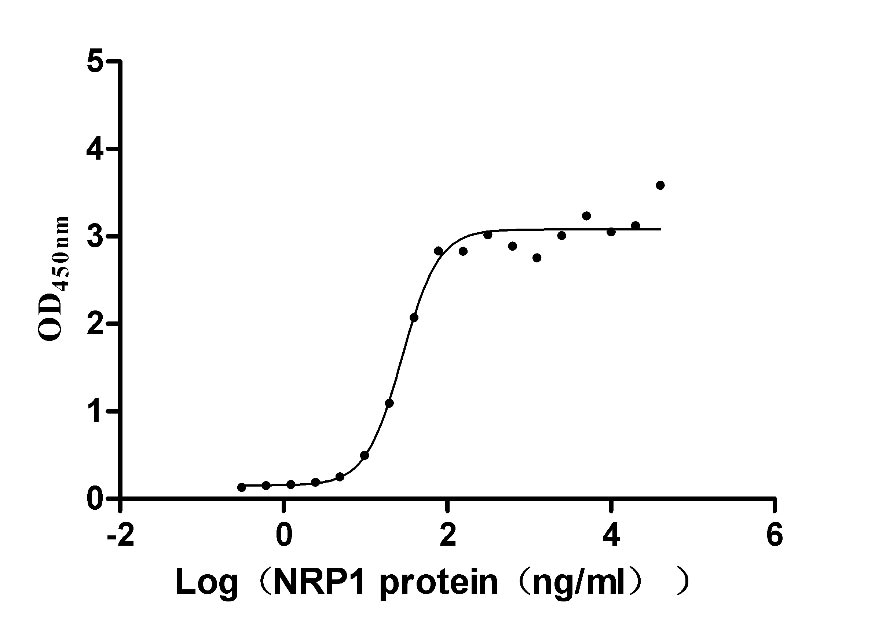
Recombinant Human Neuropilin-1 (NRP1) (Active)
Express system: Mammalian cell
Species: Homo sapiens (Human)
-
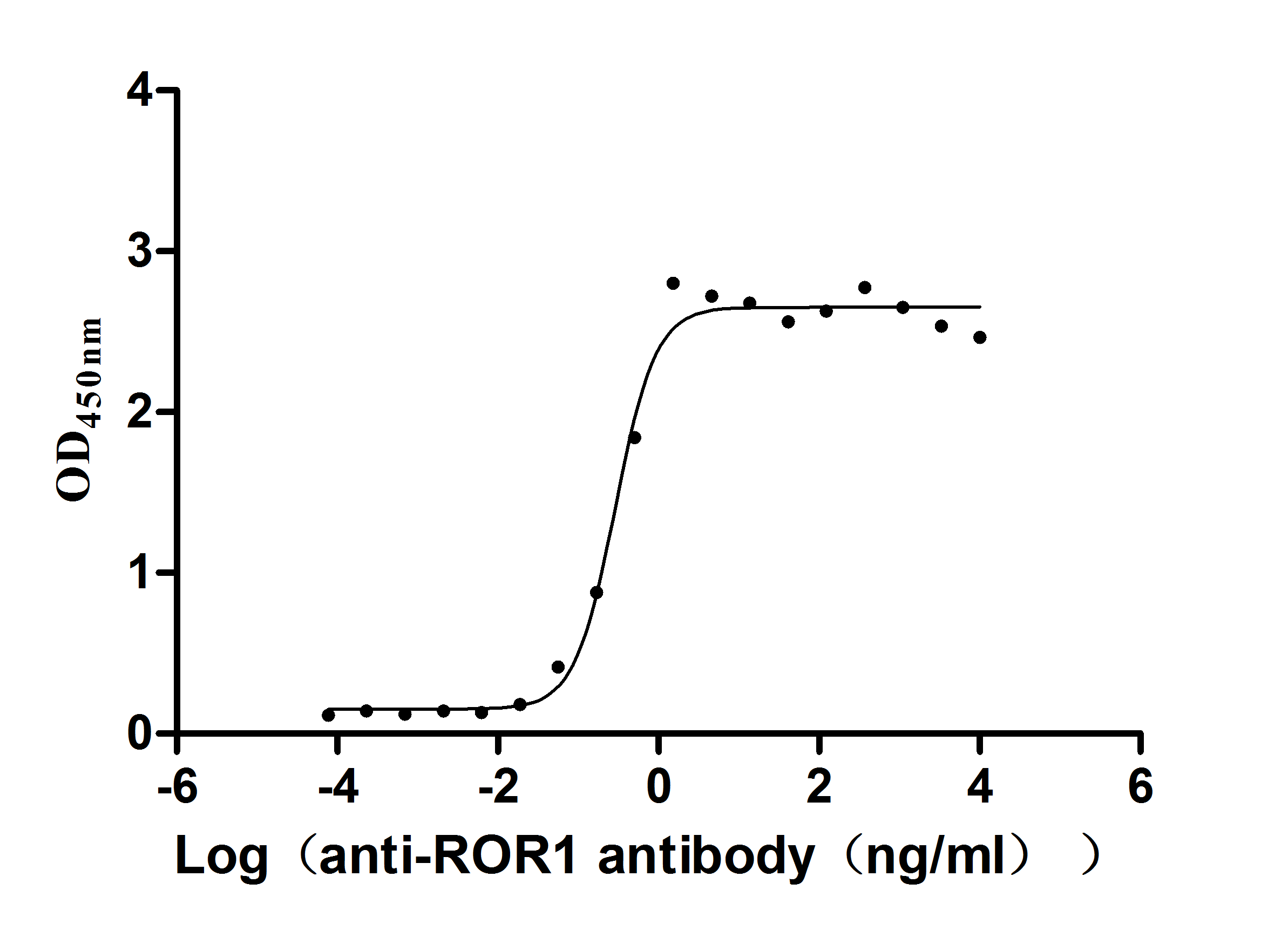
Express system: Mammalian cell
Species: Homo sapiens (Human)
-
-AC1.jpg)
Recombinant Human C-X-C chemokine receptor type 4 (CXCR4)-VLPs (Active)
Express system: Mammalian cell
Species: Homo sapiens (Human)
-
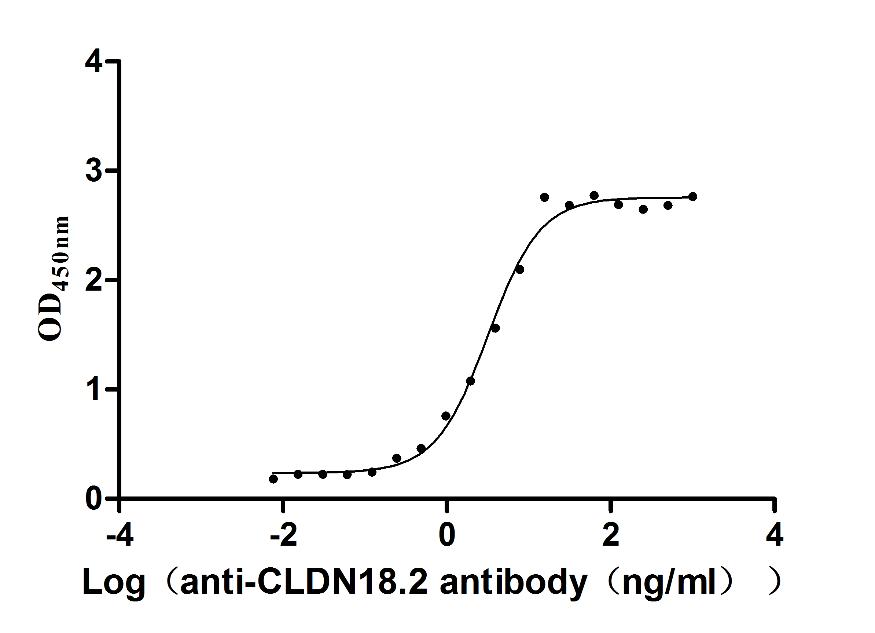
Recombinant Macaca fascicularis Claudin 18.2 (CLDN18.2)-VLPs (Active)
Express system: Mammalian cell
Species: Macaca fascicularis (Crab-eating macaque) (Cynomolgus monkey)
-
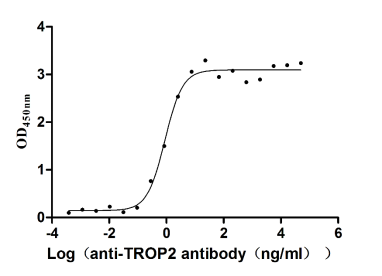
Recombinant Human Tumor-associated calcium signal transducer 2 (TACSTD2), partial (Active)
Express system: Mammalian cell
Species: Homo sapiens (Human)
-
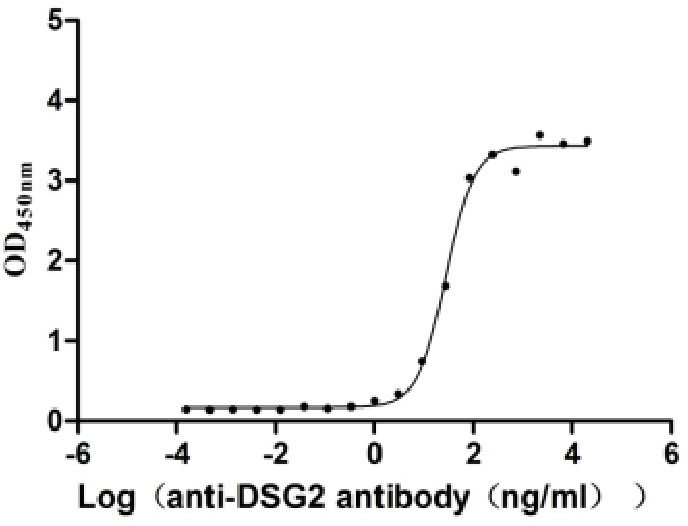
Recombinant Human Desmoglein-2 (DSG2), partial (Active)
Express system: Mammalian cell
Species: Homo sapiens (Human)
-
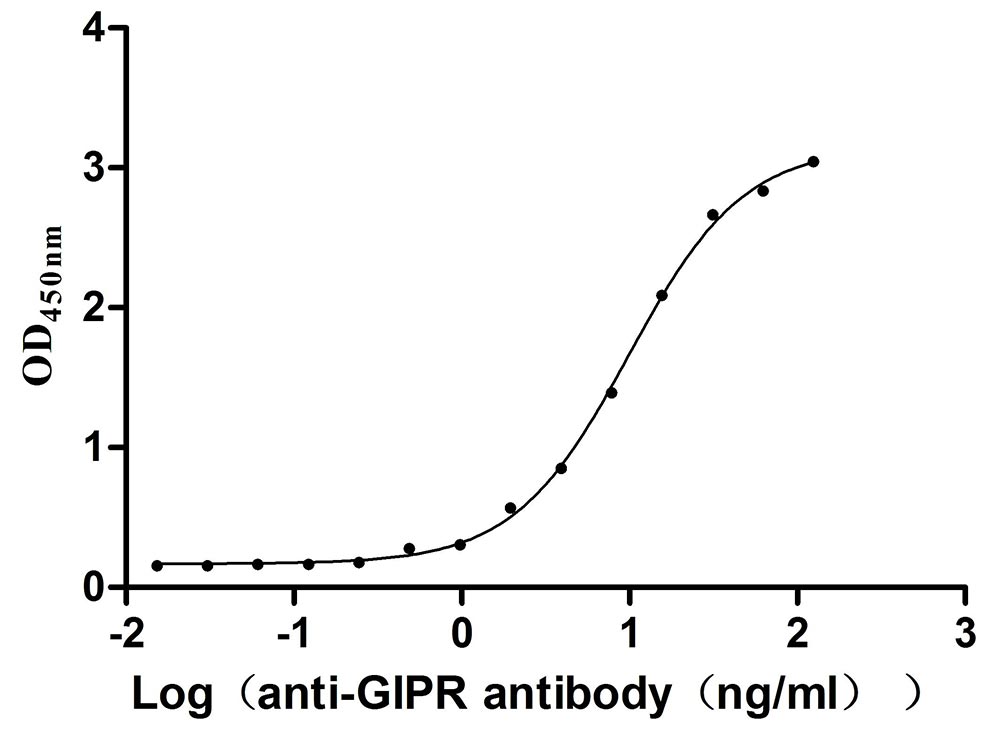
Recombinant Mouse Gastric inhibitory polypeptide receptor (Gipr), partial (Active)
Express system: Mammalian cell
Species: Mus musculus (Mouse)
-
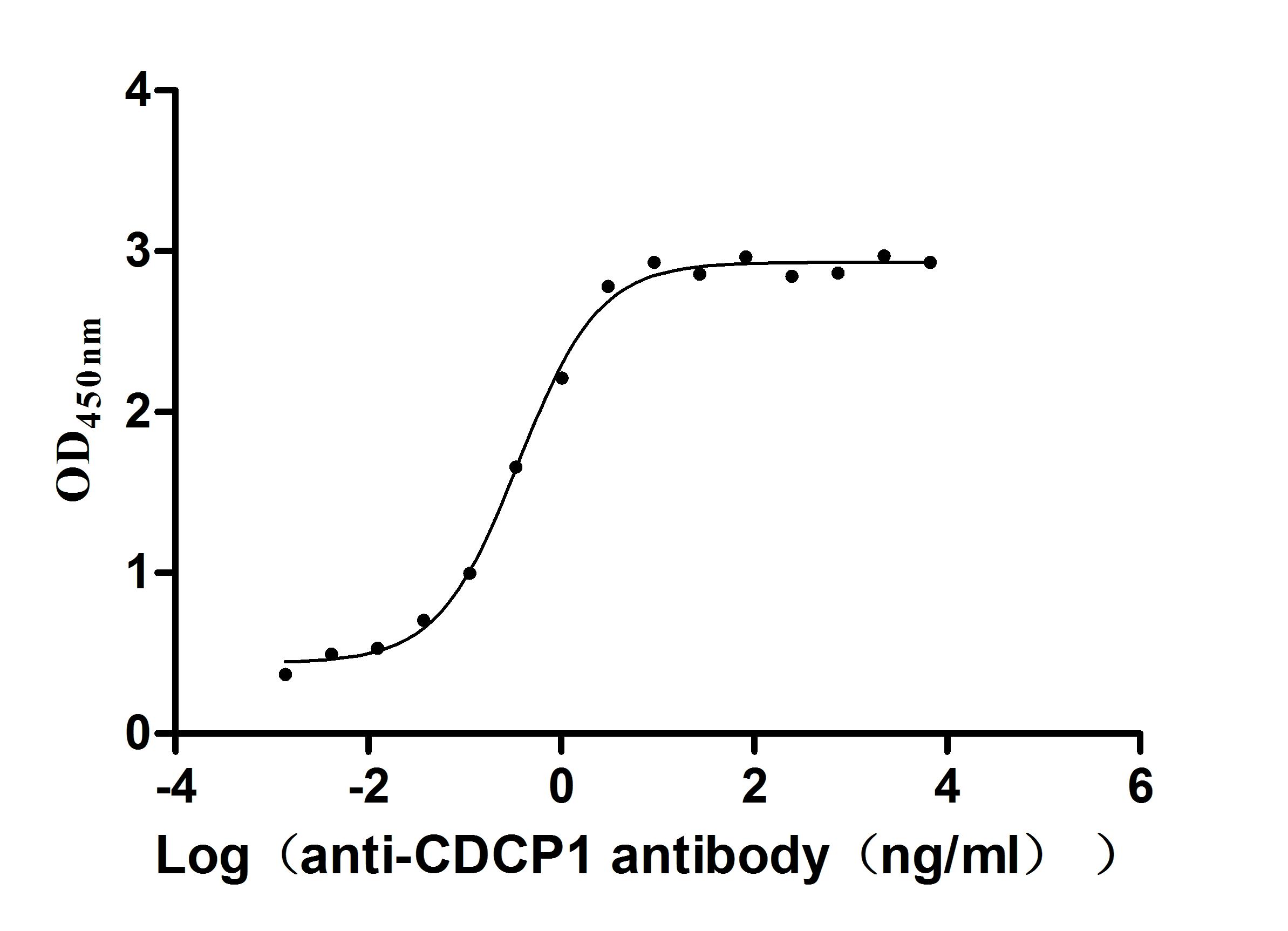
Recombinant Human CUB domain-containing protein 1 (CDCP1), partial (Active)
Express system: Mammalian cell
Species: Homo sapiens (Human)