Recombinant Mouse Intermediate conductance calcium-activated potassium channel protein 4 (Kcnn4), partial
-
中文名稱:小鼠Kcnn4重組蛋白
-
貨號:CSB-EP012086MO1-B
-
說明書:
-
規格:
-
來源:E.coli
-
共軛:Avi-tag Biotinylated
E. coli biotin ligase (BirA) is highly specific in covalently attaching biotin to the 15 amino acid AviTag peptide. This recombinant protein was biotinylated in vivo by AviTag-BirA technology, which method is BriA catalyzes amide linkage between the biotin and the specific lysine of the AviTag.
-
其他:
產品詳情
-
純度:>85% (SDS-PAGE)
-
基因名:
-
Uniprot No.:
-
別名:Kcnn4; Intermediate conductance calcium-activated potassium channel protein 4; SK4; SKCa 4; SKCa4; IK1; KCa3.1; KCa4
-
種屬:Mus musculus (Mouse)
-
蛋白長度:Partial
-
蛋白標簽:Tag?type?will?be?determined?during?the?manufacturing?process.
The tag type will be determined during production process. If you have specified tag type, please tell us and we will develop the specified tag preferentially. -
產品提供形式:Lyophilized powder Warning: in_array() expects parameter 2 to be array, null given in /www/web/cusabio_cn/public_html/caches/caches_template/default/content/show_product_protein.php on line 662
Note: We will preferentially ship the format that we have in stock, however, if you have any special requirement for the format, please remark your requirement when placing the order, we will prepare according to your demand. -
復溶:We recommend that this vial be briefly centrifuged prior to opening to bring the contents to the bottom. Please reconstitute protein in deionized sterile water to a concentration of 0.1-1.0 mg/mL.We recommend to add 5-50% of glycerol (final concentration) and aliquot for long-term storage at -20℃/-80℃. Our default final concentration of glycerol is 50%. Customers could use it as reference.
-
儲存條件:Store at -20°C/-80°C upon receipt, aliquoting is necessary for mutiple use. Avoid repeated freeze-thaw cycles.
-
保質期:The shelf life is related to many factors, storage state, buffer ingredients, storage temperature and the stability of the protein itself.
Generally, the shelf life of liquid form is 6 months at -20°C/-80°C. The shelf life of lyophilized form is 12 months at -20°C/-80°C. -
貨期:Delivery time may differ from different purchasing way or location, please kindly consult your local distributors for specific delivery time.Note: All of our proteins are default shipped with normal blue ice packs, if you request to ship with dry ice, please communicate with us in advance and extra fees will be charged.
-
注意事項:Repeated freezing and thawing is not recommended. Store working aliquots at 4°C for up to one week.
-
Datasheet :Please contact us to get it.
產品評價

相關產品
靶點詳情
-
功能:Forms a voltage-independent potassium channel that is activated by intracellular calcium. Activation is followed by membrane hyperpolarization which promotes calcium influx. Required for maximal calcium influx and proliferation during the reactivation of naive T-cells. Plays a role in the late stages of EGF-induced macropinocytosis.
-
基因功能參考文獻:
- KCa3.1 channel is likely to be a critical target on the oxidative stress. PMID: 28455747
- Diet-induced hyperhomocysteinemia enhanced myoendothelial feedback, and increased Cx37 and IK1 expression may contribute. nNOS or iNOS did not upregulate to compensate for decreased eNOS, and they had little involvement in vasomotor function. PMID: 28857417
- The Intermediate-conductance calmodulin/calcium-activated K+ channels 3.1 (KCa3.1-/- knockout mice) significantly reduced corneal fibrosis and expression of pro-fibrotic marker genes, suggesting that KCa3.1 plays an important role corneal wound healing in vivo. PMID: 29554088
- KCa3.1(-/-) mice exhibited significantly smaller infarct areas in a model of ischemic stroke. PMID: 29037241
- KCa3.1(-/-) mice demonstrated normal behavioral responses in models of acute nociceptive, persistent inflammatory, and persistent neuropathic pain. However, their behavioral responses to noxious chemical stimuli such as formalin and capsaicin were increased. Accordingly, formalin-induced nociceptive behavior was increased in wild-type mice after administration of the KCa3.1 inhibitor TRAM-34. PMID: 28823609
- SK4 activity is crucial for cell cycle control. PMID: 28557306
- Deletion of KCa3.1 reduced astrogliosis and rescued memory loss induced by intrahippocampal Abeta1-42 peptide injection. PMID: 27567685
- Blocking KCa3.1 suppresses plaque instability in advanced stages of atherosclerosis by inhibiting macrophage polarization toward an M1 phenotype. PMID: 28062499
- enhanced KCa 3.1 activity may compensate for decreased nitric oxide signaling during vascular aging. PMID: 27363720
- Findings highlight a novel role for intermediate-conductance calcium-activated potassium channel (KCa3.1) in phenotypic modulation of reactive astrocytes and in astrocyte mobilization in response to mechanical stress, providing a potential target for therapeutic intervention in brain injuries. PMID: 27163196
- alpha1D Ca and SK4 channels are coupled in the atria, and deletion of alpha1D leads to decreased SK4 mRNA and BNP secretion providing evidence for a novel role of alpha1D in atrial endocrine function PMID: 27884747
- KCa3.1 blockade protects against cisplatin-induced acute kidney injury through the attenuation of apoptosis by interference with intrinsic apoptotic and endoplasmic reticulum stress-related mediators. PMID: 26438401
- The results suggest that KCa3.1 activation contributes to dysfunctional tubular autophagy in diabetic nephropathy through PI3K/Akt/mTOR signaling pathways. PMID: 27029904
- These results indicate that IK1 channels do not mediate the a slow afterhyperpolarization in pyramidal neurons. PMID: 26765773
- KCa3.1 is a possible marker of M/MPhi in the protumor state and a potential therapeutic target to induce glioma-associated microglia/macrophages to re-acquire a pro-inflammatory, antitumor activity. PMID: 27054329
- that KCa3.1 channels are key actors in the migration capacity of neutrophils, and its inhibition did not affect other relevant cellular functions PMID: 26138196
- Modulation of PKA and PI3KC2beta activity to control of KCa3.1 channel expression can be an alternative important target to attenuate ascending thoracic aortic aneurysms in Fabry disease. PMID: 26820527
- These findings suggest that the KCa3.1 channel can serve as a new target to attenuate and prevent development of ascending thoracic aortic aneurysm in Fabry disease. PMID: 26592662
- Inhibition of K(Ca)3.1 by EETs (14,15-EET), 20-HETE, and omega3 critically depended on the presence of electron double bonds and hydrophobicity within the 10 carbons preceding the carboxyl-head of the molecules. PMID: 25372486
- NDPKB/SK4 signaling is required for neointima formation in injured carotid arteries. PMID: 26088577
- KCa 3.1 blockade strongly reduced the growth of xenografted NSCLC cells. PMID: 25704182
- The data suggest that the P2Y2/4 receptor activation elicits blood pressure responses via distinct mechanisms involving KCa3.1 and Cx37. PMID: 25545736
- Overexpression of CCL20 in human proximal tubular cells is inhibited by blockade of KCa3.1 under diabetic conditions through inhibition of the NF-kappaB pathway. PMID: 24733189
- Studies suggest an important modulatory role for KCa3.1 in adult neuroblast migration that could be capitalized on in future attempts to alter the intrinsic repair response of the brain using neuronal precursor cells PMID: 23585521
- Role of the K(Ca)3.1 K+ channel in auricular lymph node CD4+ T-lymphocyte function of the delayed-type hypersensitivity model PMID: 23594188
- Pulmonary hypertension in wild type mice and animals with genetic deficit in KCa2.3 and KCa3.1 channels PMID: 24858807
- blockade of KCa3.1 attenuates diabetic renal interstitial fibrogenesis through inhibiting activation of fibroblasts PMID: 24166472
- Targeted inhibition of KCa3.1 reduces reactive gliosis in cultured astrocytes. PMID: 24606313
- increase in KCa3.1 activity induced by the upregulation of KCa3.1a and NDPK-B may be involved in the pathogenesis of IBD by mediating the enhancement of the proliferative response in MLN CD4(+) T lymphocyte. PMID: 24674776
- Globotriaosylceramide accelerates the endocytosis and lysosomal degradation of endothelial KCa3.1 via a clathrin-dependent process, leading to endothelial dysfunction in Fabry disease. PMID: 24158513
- IK1, and to some extent SK3, channels exert a substantial positive feedback influence on endothelial Ca(2+) dynamics in agonist stimulated mesenteric arteries. PMID: 24177326
- Blockade of KCa3.1 with potassium channel blockers prevented airway remodeling in allergic asthma. PMID: 23492185
- The inhibition of KCa3.1 channels activity reduces cell motility in glioblastoma derived cancer stem cells. PMID: 23110108
- Genetic KCa3.1-deficiency causes locomotor hyperactivity and altered monoamine levels in selected brain regions PMID: 23077667
- KCa3.1 channels are involved in the pathogenesis of obliterative airway disease (OAD). KCa3.1 blockade holds promise to reduce OAD development. PMID: 23325003
- Modafinil inhibits K(Ca)3.1 channels and vascular smooth muscle contraction by cAMP-dependent phosphorylation. PMID: 22414869
- KCa3.1 expression in lung dendritic cells was up-regulated by ovalbumin sensitization. KCa3.1 was involved in the migration of lung dendritic cells to lymphatic chemokines. PMID: 21493782
- Ca2+ activated K+ channel Kca3.1 plays a central role in gastric acid secretion. PMID: 21691077
- the N-terminal domain of K(Ca)3.1 is critical for channel trafficking to the plasma membrane PMID: 21345794
- Globotriaosylceramide evokes K(Ca)3.1 channel dysfunction, and the channel dysfunction in vascular endothelial cells may contribute to vasculopathy in Fabry disease. PMID: 20971723
- The SK4 component of the Kslow current can trigger oscillations in mice without functioning KATP channels. PMID: 21099262
- Kcnn4 is crucially involved in cardiac and cardiac pacemaker cell differentiation of embryonic stem cells PMID: 20956206
- K(Ca)3.1 channel activity and Gardos effect counteract hemolysis of injured erythrocytes, thus decreasing hemoglobin release into circulating blood. PMID: 20857305
- Nucleoside diphosphate kinase B knock-out mice have impaired activation of the K+ channel KCa3.1, resulting in defective T cell activation PMID: 20884616
- found that inhibition of KCa3.1(-/-) protected mice from developing severe colitis in mouse models of inflammatory bowel disease. PMID: 20080610
- Selective blockade of T-lymphocyte K(Ca)3.1 and K(v)1.3 channels may represent a novel alternative therapy for prevention of kidney allograft rejection. PMID: 19715983
- SK1, -2, -3, and IK1 (SK4) are expressed in islet cells and insulin-secreting cells and are able to influence glucose-induced calcium responses, thereby regulating insulin secretion. PMID: 12882916
- Results confirm that IK channels in red blood cells, T lymphocytes, and parotid acinar cells are indeed encoded by the Kcnn4 gene. PMID: 15347667
- cardiac Ang II overproduction leads to the emergence of a long QT syndrome resulting from an IK1-dependent prolongation of the action potential duration through modulation of channel subunit expression. PMID: 17070838
- Submandibular acinar cell function relies on KCNN4 channel activity. PMID: 17379640
顯示更多
收起更多
-
亞細胞定位:Cell membrane; Multi-pass membrane protein.
-
蛋白家族:Potassium channel KCNN family, KCa3.1/KCNN4 subfamily
-
數據庫鏈接:
Most popular with customers
-
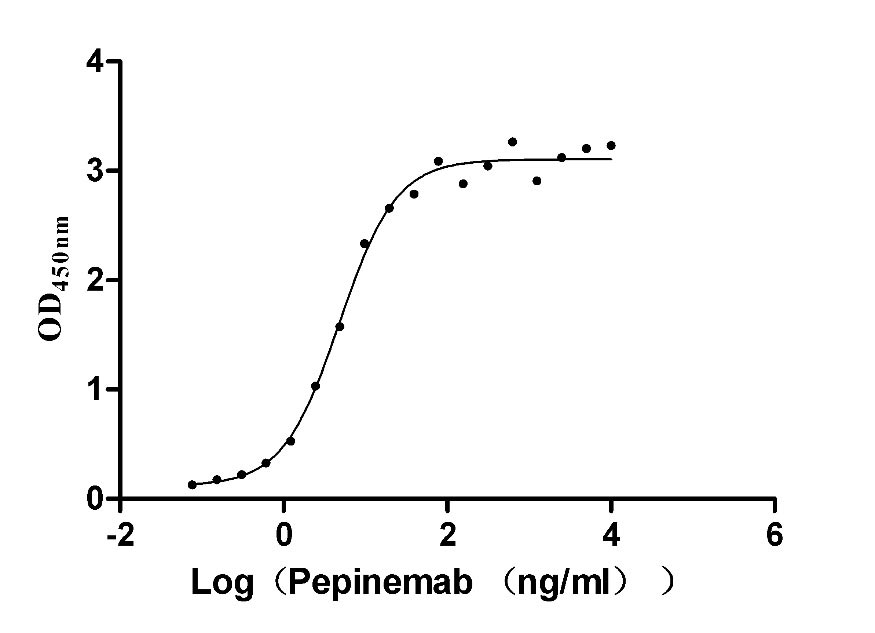
Recombinant Human Semaphorin-4D (SEMA4D), partial (Active)
Express system: Mammalian cell
Species: Homo sapiens (Human)
-
-AC1.jpg)
Recombinant Mouse Claudin-18.2 (Cldn18.2)-VLPs (Active)
Express system: Mammalian cell
Species: Mus musculus (Mouse)
-
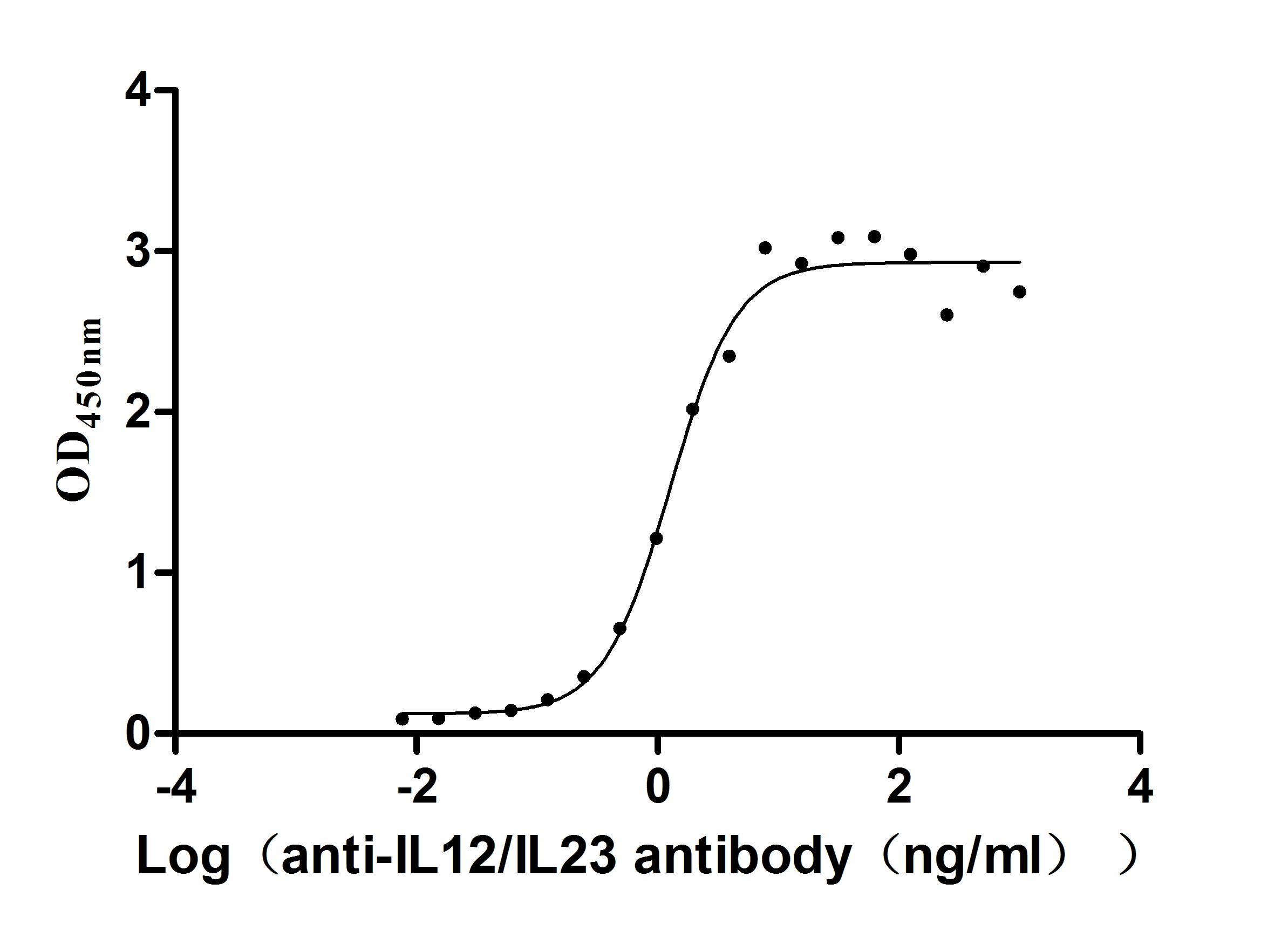
Recombinant Human IL12B&IL12A Heterodimer Protein (Active)
Express system: Mammalian cell
Species: Homo sapiens (Human)
-
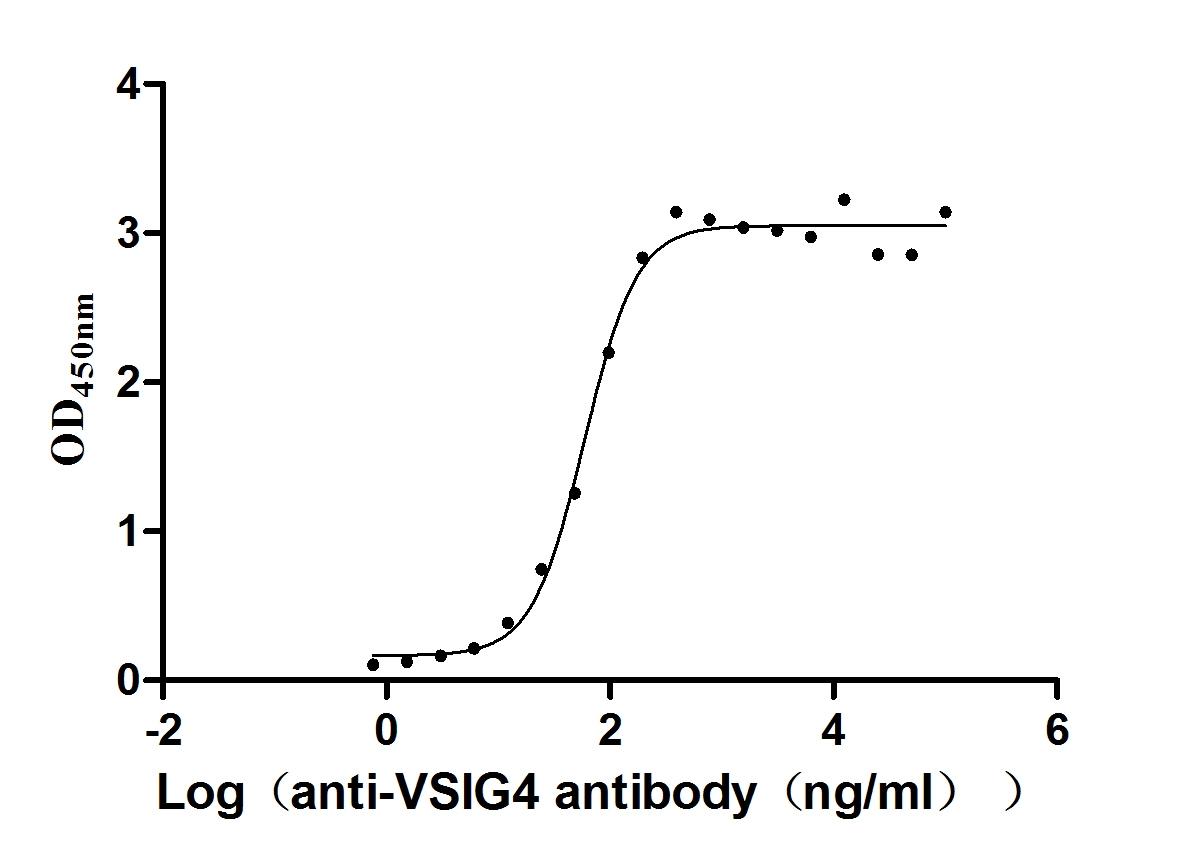
Recombinant Human V-set and immunoglobulin domain-containing protein 4 (VSIG4), partial (Active)
Express system: Mammalian cell
Species: Homo sapiens (Human)
-
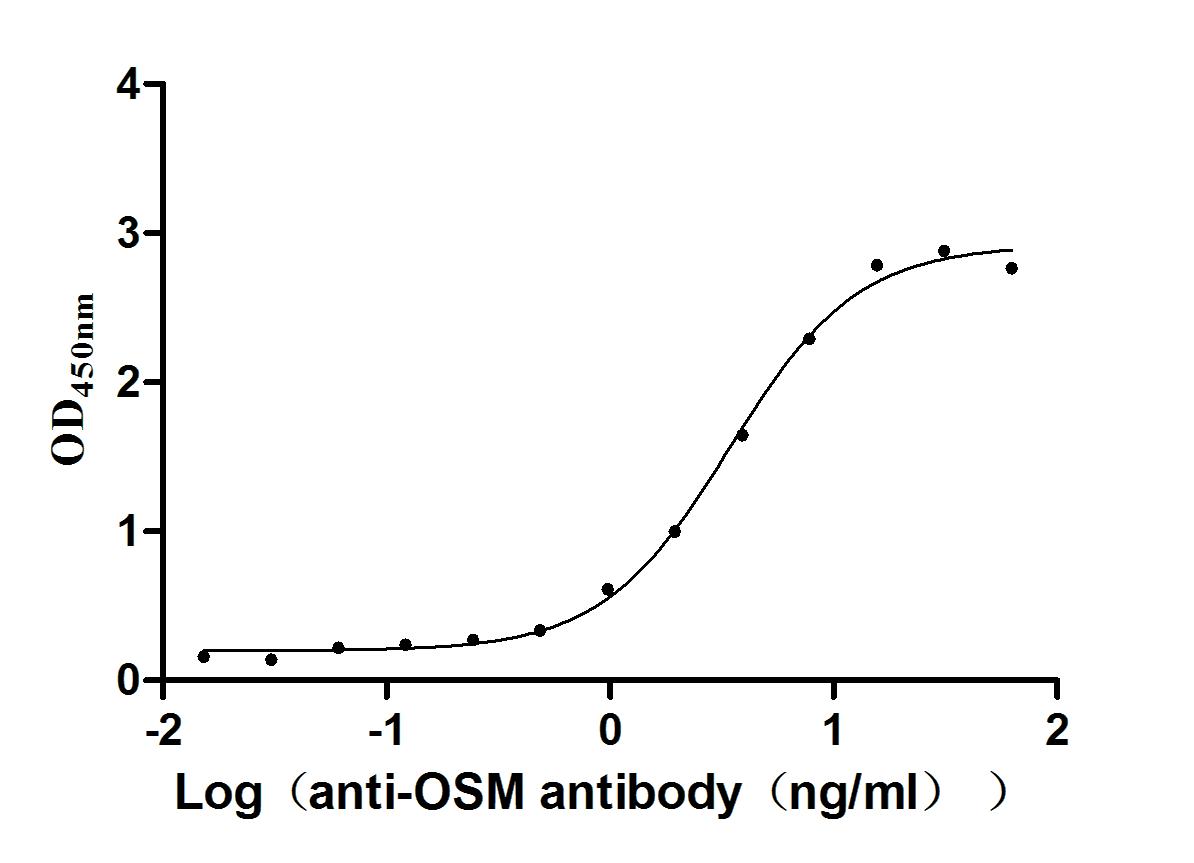
Recombinant Human Oncostatin-M (OSM), partial (Active)
Express system: Mammalian cell
Species: Homo sapiens (Human)
-
Recombinant Mouse Cytotoxic and regulatory T-cell molecule (Crtam), partial (Active)
Express system: Mammalian cell
Species: Mus musculus (Mouse)
-
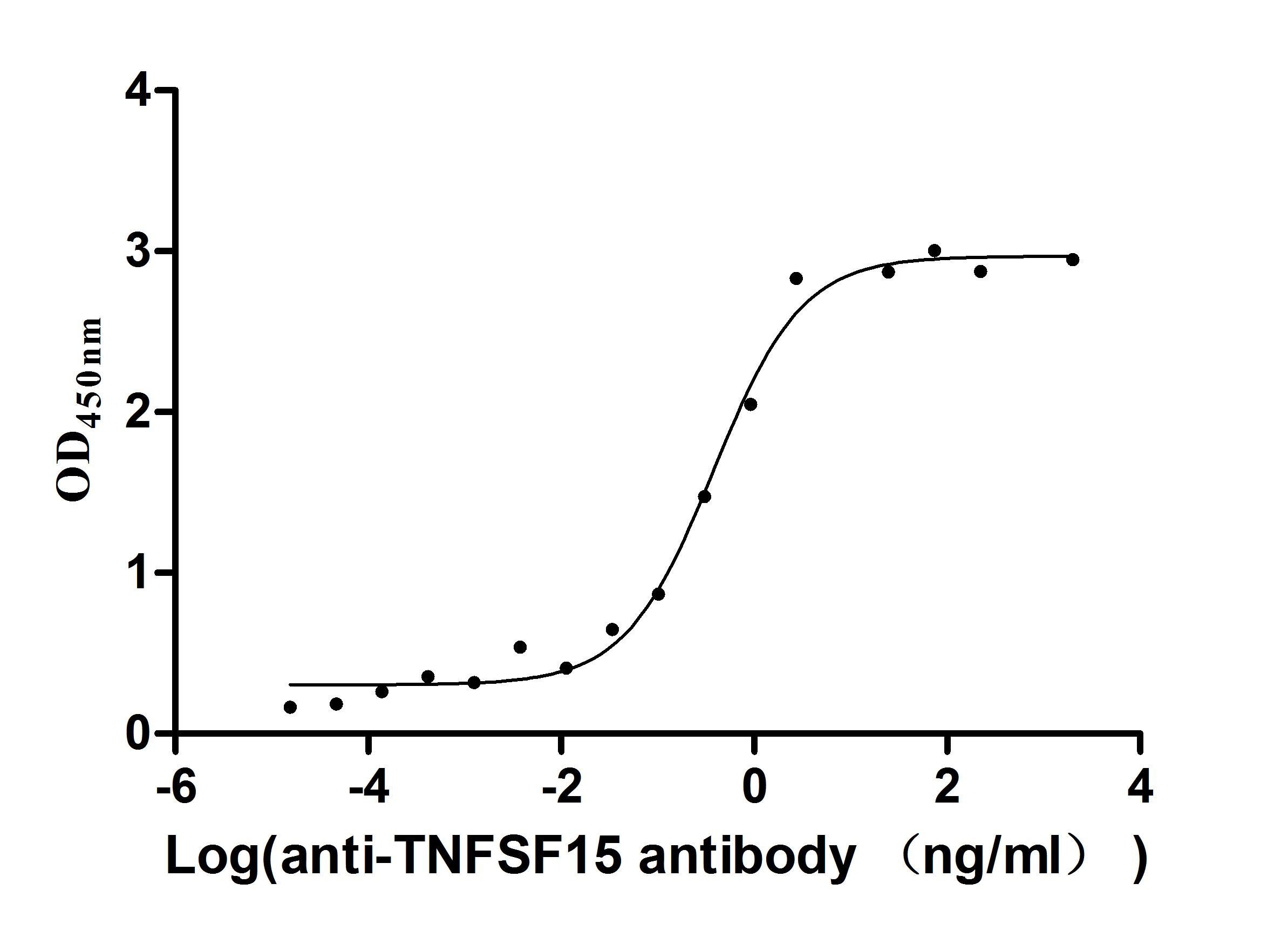
Express system: Mammalian cell
Species: Homo sapiens (Human)
-
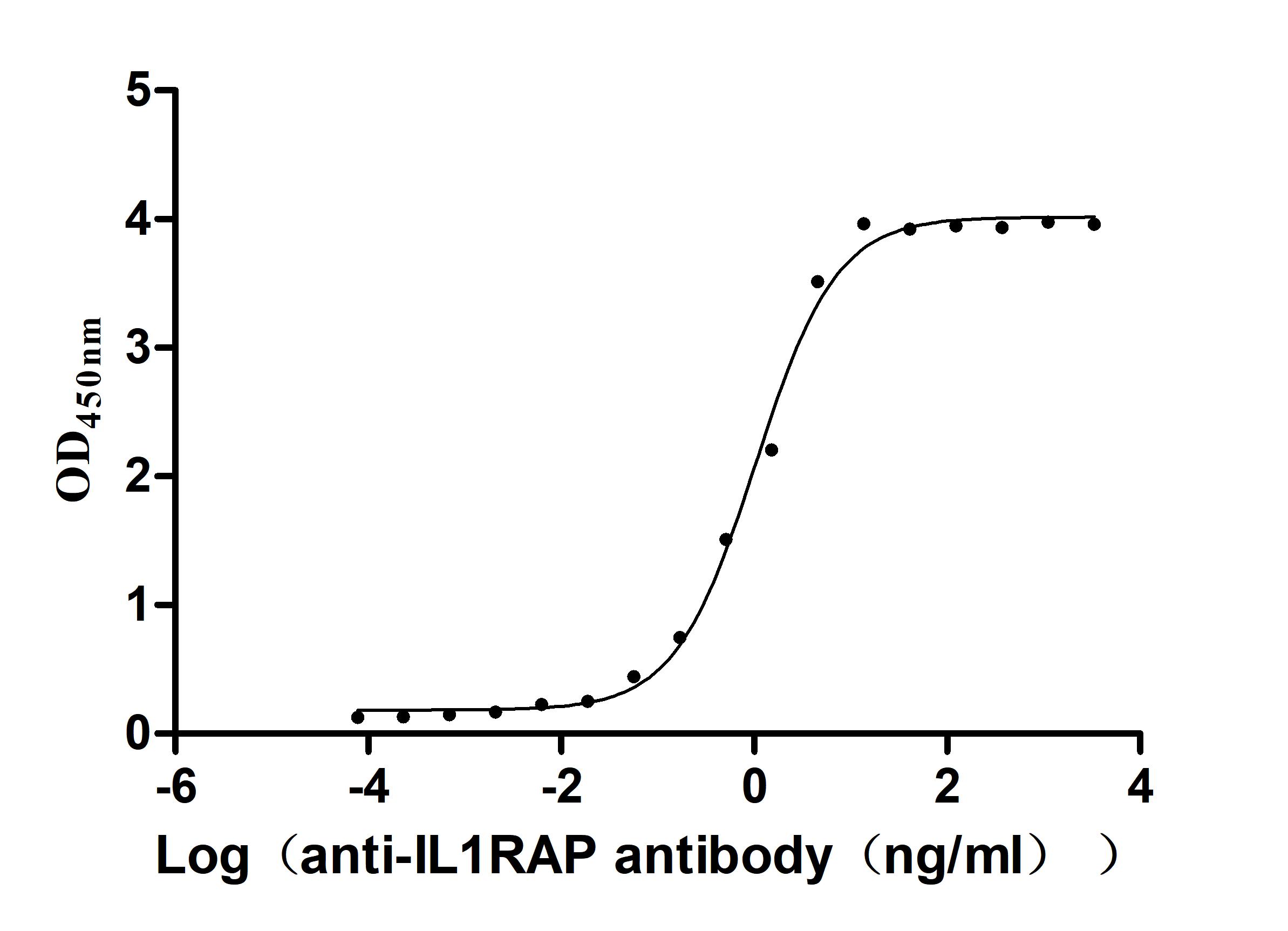
Recombinant Macaca fascicularis Interleukin 1 receptor accessory protein(IL1RAP), partial (Active)
Express system: Mammalian cell
Species: Macaca fascicularis (Crab-eating macaque) (Cynomolgus monkey)