Recombinant Human Ragulator complex protein LAMTOR5 (LAMTOR5)
In Stock-
中文名稱:人LAMTOR5重組蛋白
-
貨號:CSB-EP010161HUe3
-
規格:¥1344
-
圖片:
-
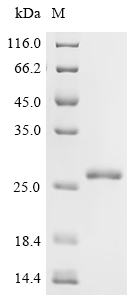 (Tris-Glycine gel) Discontinuous SDS-PAGE (reduced) with 5% enrichment gel and 15% separation gel.
-
-
其他:
產品詳情
-
純度:Greater than 95% as determined by SDS-PAGE.
-
生物活性:Not Test
-
基因名:
-
Uniprot No.:
-
別名:(Hepatitis B virus X-interacting protein)(HBV X-interacting protein)(HBX-interacting protein)(Late endosomal/lysosomal adaptor and MAPK and MTOR activator 5)
-
種屬:Homo sapiens (Human)
-
蛋白長度:Full Length
-
來源:E.coli
-
分子量:24.9
-
表達區域:1-91aa
-
氨基酸序列MEATLEQHLEDTMKNPSIVGVLCTDSQGLNLGCRGTLSDEHAGVISVLAQQAAKLTSDPTDIPVVCLESDNGNIMIQKHDGITVAVHKMAS
Note: The complete sequence may include tag sequence, target protein sequence, linker sequence and extra sequence that is translated with the protein sequence for the purpose(s) of secretion, stability, solubility, etc.
If the exact amino acid sequence of this recombinant protein is critical to your application, please explicitly request the full and complete sequence of this protein before ordering. -
蛋白標簽:N-terminal 6xHis-KSI-tagged
-
產品提供形式:Liquid or Lyophilized powder
Note: We will preferentially ship the format that we have in stock, however, if you have any special requirement for the format, please remark your requirement when placing the order, we will prepare according to your demand. -
緩沖液:If the delivery form is liquid, the default storage buffer is Tris/PBS-based buffer, 5%-50% glycerol. If the delivery form is lyophilized powder, the buffer before lyophilization is Tris/PBS-based buffer, 6% Trehalose.
-
復溶:We recommend that this vial be briefly centrifuged prior to opening to bring the contents to the bottom. Please reconstitute protein in deionized sterile water to a concentration of 0.1-1.0 mg/mL.We recommend to add 5-50% of glycerol (final concentration) and aliquot for long-term storage at -20℃/-80℃. Our default final concentration of glycerol is 50%. Customers could use it as reference.
-
儲存條件:Store at -20°C/-80°C upon receipt, aliquoting is necessary for mutiple use. Avoid repeated freeze-thaw cycles.
-
保質期:The shelf life is related to many factors, storage state, buffer ingredients, storage temperature and the stability of the protein itself.
Generally, the shelf life of liquid form is 6 months at -20°C/-80°C. The shelf life of lyophilized form is 12 months at -20°C/-80°C. -
貨期:3-7 business days
-
注意事項:Repeated freezing and thawing is not recommended. Store working aliquots at 4℃ for up to one week.
-
Datasheet & COA:Please contact us to get it.
產品評價

相關產品
靶點詳情
-
功能:As part of the Ragulator complex it is involved in amino acid sensing and activation of mTORC1, a signaling complex promoting cell growth in response to growth factors, energy levels, and amino acids. Activated by amino acids through a mechanism involving the lysosomal V-ATPase, the Ragulator functions as a guanine nucleotide exchange factor activating the small GTPases Rag. Activated Ragulator and Rag GTPases function as a scaffold recruiting mTORC1 to lysosomes where it is in turn activated. When complexed to BIRC5, interferes with apoptosome assembly, preventing recruitment of pro-caspase-9 to oligomerized APAF1, thereby selectively suppressing apoptosis initiated via the mitochondrial/cytochrome c pathway. Down-regulates hepatitis B virus (HBV) replication.
-
基因功能參考文獻:
- Data show that hepatitis B X-interacting protein (HBXIP) modulated Methyltransferase-like 3 (METTL3) by inhibiting miRNA let-7g, which down-regulated the expression of METTL3 by targeting its 3'UTR. PMID: 29174803
- Those findings highlight the potential role of SIRT2 in HBV and HBV-mediated HCC by interaction with HBx. PMID: 29366781
- HBXIP can modulate the etoposide sensitivity of MCF-7 cell lines. PMID: 29309885
- deacetylation of MST1 mediated by HBXIP-enhanced HDAC6 results in MST1 degradation in a CMA manner in promotion of breast cancer growth. PMID: 26657153
- high level of expression of HBXIP is associated with the progression of non-small-cell lung cancer and may be a useful biomarker for poor prognostic evaluation and a potential molecular therapy target for patients with non-small-cell lung cancer PMID: 28718367
- HBXIP is able to depress the gluconeogenesis in hepatoma cells by suppressing PCK1 to promote hepatocarcinogenesis, involving miR-135a/FOXO1 axis and PI3K/Akt/p-FOXO1 pathway. PMID: 27609066
- we conclude that the oncoprotein HBXIP contributes to the abnormal lipid metabolism in breast cancer PMID: 26980761
- HBXIP can function as a mediator protein for DNA damage response signals to activate the G2/M checkpoint to maintain genome integrity and prevent cell death. PMID: 28103177
- promotes cisplatin resistance and regulates CD147 via Sp1 in ovarian cancer PMID: 28056551
- The mRNA levels of ACSL1 were positively associated with those of HBXIP in clinical breast cancer tissues. Thus, we conclude that the oncoprotein HBXIP is able to up-regulate ACSL1 through activating the transcriptional factor Sp1 in breast cancer. PMID: 28132807
- Data indicate that hepatitis B virus X-interacting protein (HBXIP) over-expression appears to associate with cervical cancer progression, and may potentially be used as a cervical cancer biomarker for the early diagnosis, prognostic evaluation and therapeutic target for cervical cancer. PMID: 28093193
- Multivariate analysis indicated that HBXIP, in addition to the clinical stage, was a significant independent prognostic factor in patients with ovarian cancer. PMID: 28388957
- Expression of HBXIP was significantly increased in UCB tissues. Data showed that suppression of HBXIP induced cell cycle arrest and increased cell apoptosis in T24 cells. Also, suppression of HBXIP also decreased T24 and PC3 cell proliferation, migration, and invasion. More importantly, It was found that inhibition of HBXIP reduced the tumorigenesis in vivo, suggesting that HBXIP plays an important role in progression. PMID: 27831760
- Upon HBV infection, cellular mechanisms involving SETDB1-mediated H3K9me3 and HP1 induce silencing of HBV cccDNA transcription through modulation of chromatin structure. PMID: 26143443
- Thus, we conclude that the oncoprotein HBXIP up-regulates FGF4 through activating transcriptional factor Sp1 to promote the migration of breast cancer cells. Therapeutically, HBXIP may serve as a novel target in breast cancer. PMID: 26828265
- Results support a model in which the HBXIP/Hotair/LSD1 complex serves as a critical effector of c-Myc in activating transcription of its target genes, illuminating long-standing questions on how c-Myc drives carcinogenesis. PMID: 26719542
- highly expressed HBXIP accelerates the MDM2-mediated degradation of p53 in breast cancer through modulating the feedback loop of MDM2/p53, resulting in the fast growth of breast cancer cells. PMID: 26229107
- Our study suggested that high HBXIP is associated with the progression of breast cancer. HBXIP could be a valuable prognostic marker as well as a potential molecular therapy target for breast cancer patients. PMID: 25178941
- HBXIP promotes the migration of breast cancer cells through modulating microtubule acetylation mediated by GCN5. PMID: 25686500
- Dta show that HBXIP was able to stimulate the activity of Skp2 promoter via transcription factor Sp1 thus promoting the migration of ovarian cancer cells. PMID: 24788380
- Hepatitis B protein HBx accelerates hepatocarcinogenesis with partner survivin through modulating tumor suppressor miR-520b and oncoprotein HBXIP. PMID: 24886421
- HBXIP facilitates the proliferation of hepatoma cells by up-regulating SCG3 via E2F1 and miR-509-3p modulation. PMID: 24882622
- The oncoprotein HBXIP enhances angiogenesis and growth of breast cancer through modulating FGF8 and VEGF. PMID: 24464787
- HBXIP nuclear import requires interaction with c-Fos and phosphorylation of both proteins in breast cancer cells PMID: 23667255
- conclude that the oncoprotein HBXIP as a co-activator of TF II D transactivates Lin28B promoter via directly binding to TBP to upregulate the expression of Lin28B in promotion of proliferation of breast cancer cells PMID: 23494474
- knockdown of HBXIP rescued the inhibition of HBV that occurred after the loss of miR-501 in HepG2.2.15 cells, suggesting that miR-501 induced HBV replication partially by targeting HBXIP. PMID: 23266610
- HBXIP promotes the proliferation of breast cancer cells via upregulating PDGFB. PMID: 23537647
- oncoprotein HBXIP is able to activate the transcriptional coregulatory protein LMO4 through transcription factor Sp1 in promotion of proliferation of breast cancer cells. PMID: 23291272
- found that HBXIP was able to stimulate the promoter of Skp2 through binding to the -640/-443 region in Skp2 promoter involving activating E2F transcription factor 1 PMID: 23352642
- Study identified HBXIP and C7orf59 as two additional Ragulator components that are required for mTORC1 activation by amino acids. PMID: 22980980
- HBXIP up-regulates S100A4 through activating S100A4 promoter involving STAT4 and inducing PTEN/PI3K/AKT signaling to promote growth and migration of breast cancer cells. PMID: 22740693
- overexpression of HBXIP increased HepG2 cell-induced endothelial cells migration, proliferation, and angiogenesis, which may be related to increasing phosphorylation of endothelial NO synthase in HUVECs. PMID: 22209835
- Data suggest that HBXIP upregulates CD46, CD55 and CD59 through p-ERK1/2/NF-kappaB signaling to protect breast cancer from complement-dependent cytotoxicity. PMID: 22293503
- The different structure forms of HBx protein influence their intracellular distribution in hepatocellular carcinoma HepG2 cells PMID: 21651858
- miR-520b is involved in regulating breast cancer cell migration by targeting HBXIP and IL-8 via a network in which HBXIP promotes migration by stimulating NF-kappaB-mediated IL-8 expression. PMID: 21343296
- The x gene of HBV (HBx) is the most common open reading frame integrated into the host genome in hepatocellular carcinoma and the integrated HBx is frequently mutated in hepatocellular carcinoma. PMID: 20811532
- Hepatitis B virus pX interacts with HBXAP PMID: 11788598
- Elevated levels of GDN/PN1 and XIP mRNAs induced by Allitridi provide valuable molecular evidence for elucidating garlic's efficacies against neurodegenerative and inflammatory diseases. PMID: 11925594
- Survivin-HBXIP complexes, but neither survivin nor HBXIP individually, bind pro-caspase-9, preventing its recruitment to Apaf1, and thereby selectively suppressing apoptosis. PMID: 12773388
- HBXIP up-regulates LTA expression in hepatocytes. PMID: 15955450
- HBXIP sensitizes HepG2 cells to UV light-induced DNA damage. PMID: 16055925
- suppressor of var1, 3-like 1 protein interacts with HBXIP, previously identified as a cofactor of survivin in suppression of apoptosis PMID: 16176273
- The codon-38 change in genotype C is an independent risk factor for the development of HCC and may serve as a useful molecular marker for predicting the clinical outcomes in patients infected with HBV. PMID: 17050029
- One of the functions of HBXIP is its involvement in cell proliferation PMID: 17303008
- Hepatitis B virus X protein stimulates the mitochondrial translocation of Raf-1 via oxidative stress PMID: 17428866
- HBXIP is a critical target of viral HBx for promoting genetic instability through formation of defective spindles and subsequent aberrant chromosome segregation. PMID: 18032378
- HBXIP significantly stimulated the transcription and expression of telomerase reverse transcriptase and increased the activity of telomerase PMID: 18158869
- the overexpression of survivin in the majority of NSCLCs together with the abundant or upregulated expression of HBXIP and XIAP suggest that tumours are endowed with resistance against a variety of apoptosis-inducing conditions. PMID: 19885569
顯示更多
收起更多
-
亞細胞定位:Lysosome. Cytoplasm, cytosol.
-
蛋白家族:LAMTOR5 family
-
組織特異性:Highly expressed in skeletal and cardiac muscle, followed by pancreas, kidney, liver, brain, placenta and lung. Elevated levels in both cancerous and non-cancerous liver tissue of patients with chronic HBV infection compared with hepatic tissue without HB
-
數據庫鏈接:
Most popular with customers
-
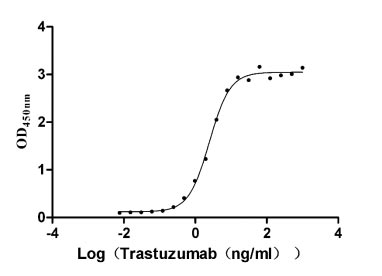
Recombinant Human Receptor tyrosine-protein kinase erbB-2 (ERBB2), partial (Active)
Express system: Mammalian cell
Species: Homo sapiens (Human)
-
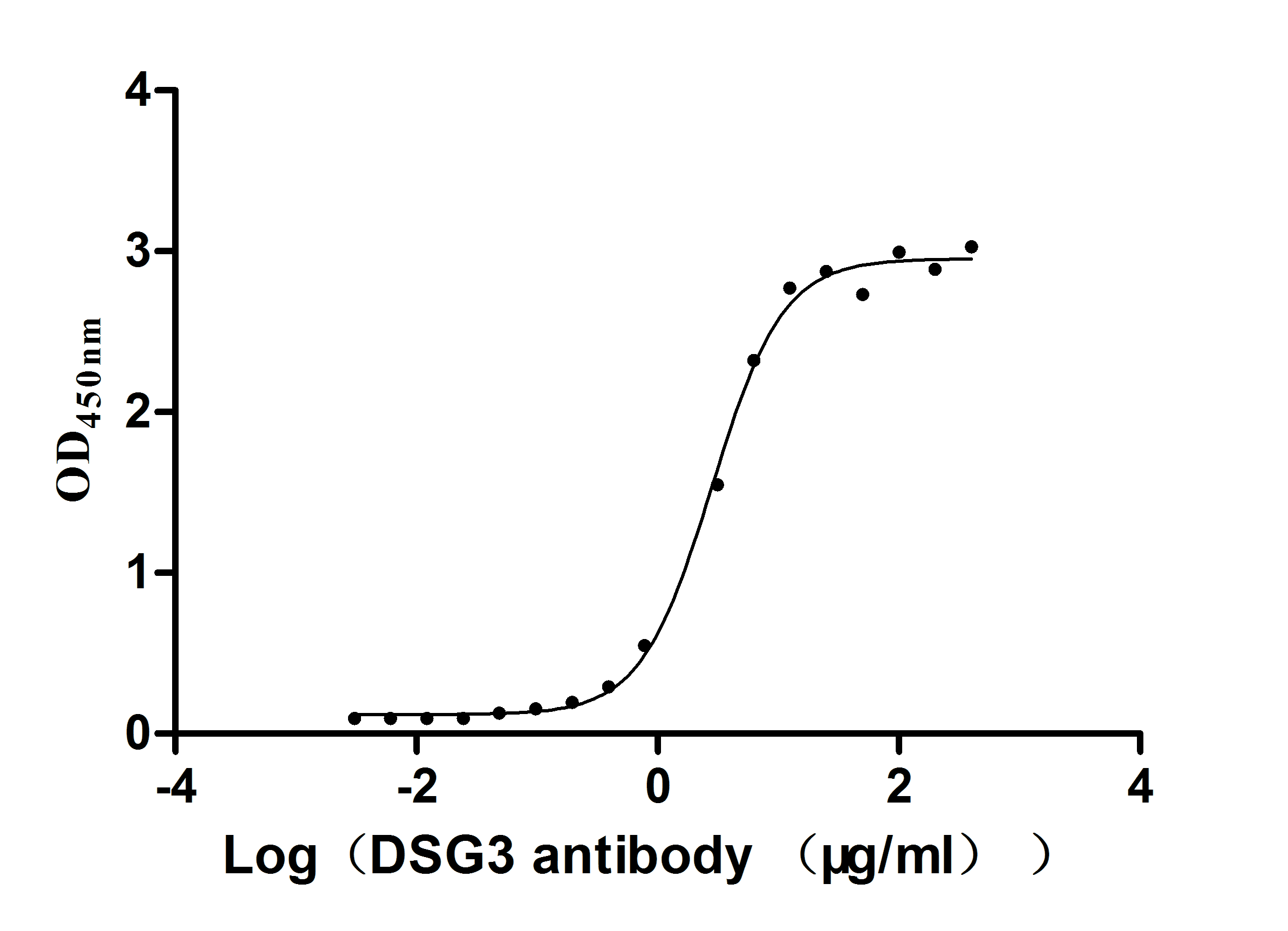
Recombinant Mouse Desmoglein-3 (Dsg3), partial (Active)
Express system: Mammalian cell
Species: Mus musculus (Mouse)
-
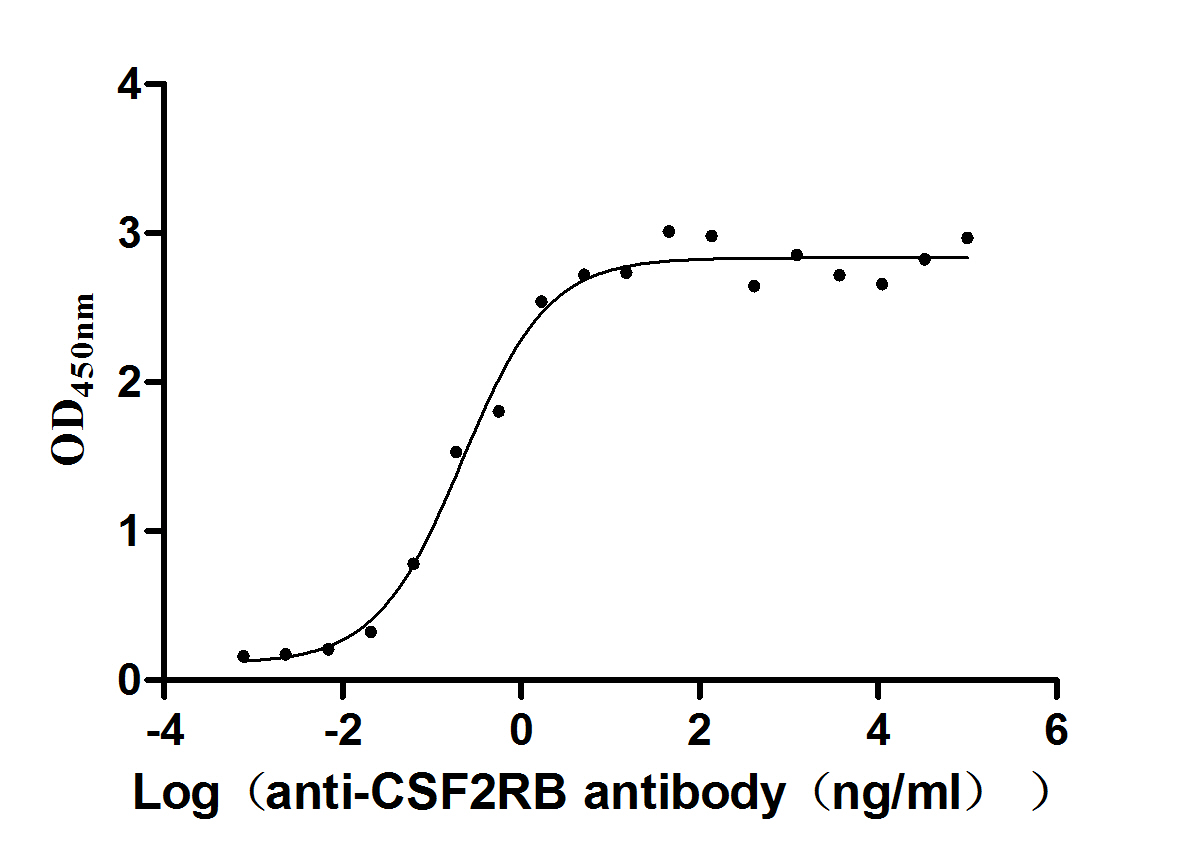
Recombinant Human Cytokine receptor common subunit beta (CSF2RB), partial (Active)
Express system: Mammalian cell
Species: Homo sapiens (Human)
-
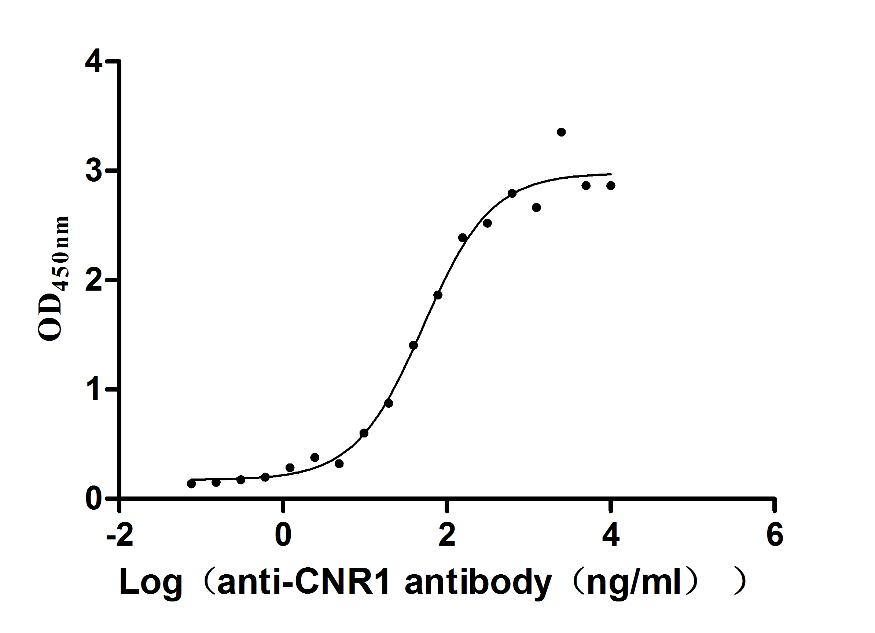
Recombinant Human Cannabinoid receptor 1 (CNR1)-VLPs (Active)
Express system: Mammalian cell
Species: Homo sapiens (Human)
-
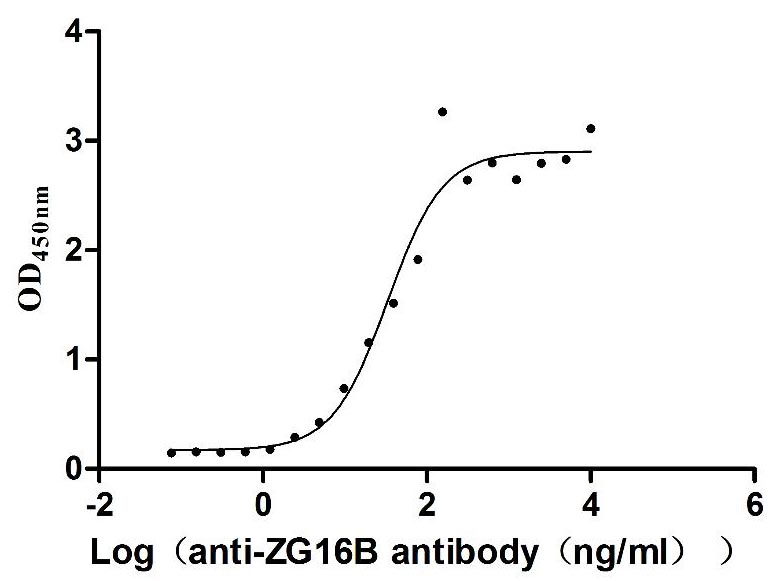
Recombinant Human Pancreatic adenocarcinoma up-regulated factor (ZG16B) (Active)
Express system: Mammalian cell
Species: Homo sapiens (Human)
-
f4-AC1.jpg)
Recombinant Human Claudin-6 (CLDN6)-VLPs, Fluorescent (Active)
Express system: Mammalian cell
Species: Homo sapiens (Human)
-
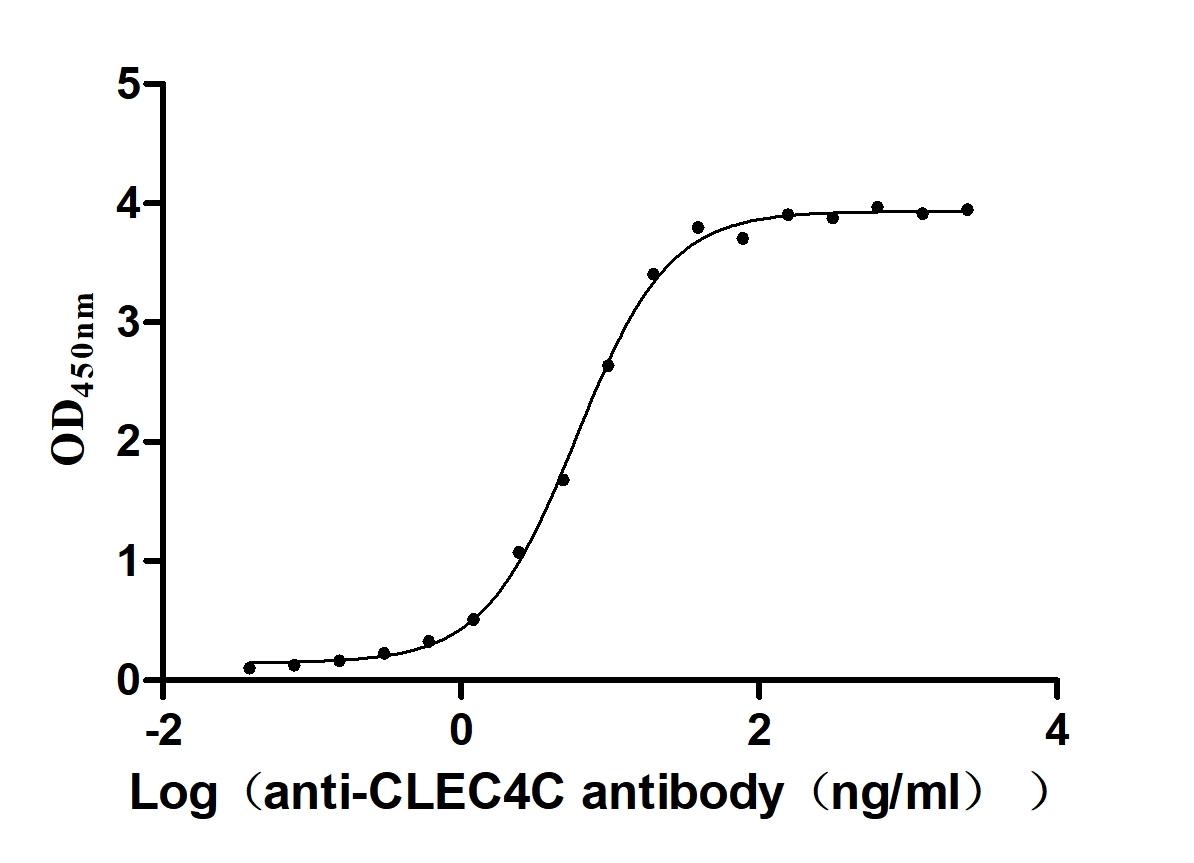
Recombinant Macaca fascicularis C-type lectin domain family 4 member C(CLEC4C), partial (Active)
Express system: Mammalian cell
Species: Macaca fascicularis (Crab-eating macaque) (Cynomolgus monkey)
-
Recombinant Human B- and T-lymphocyte attenuator(BTLA), partial (Active)
Express system: Mammalian cell
Species: Homo sapiens (Human)