Recombinant Human Dual specificity protein kinase TTK (TTK), partial
-
中文名稱:人TTK重組蛋白
-
貨號:CSB-YP025251HU
-
規格:
-
來源:Yeast
-
其他:
-
中文名稱:人TTK重組蛋白
-
貨號:CSB-EP025251HU
-
規格:
-
來源:E.coli
-
其他:
-
中文名稱:人TTK重組蛋白
-
貨號:CSB-EP025251HU-B
-
規格:
-
來源:E.coli
-
共軛:Avi-tag Biotinylated
E. coli biotin ligase (BirA) is highly specific in covalently attaching biotin to the 15 amino acid AviTag peptide. This recombinant protein was biotinylated in vivo by AviTag-BirA technology, which method is BriA catalyzes amide linkage between the biotin and the specific lysine of the AviTag.
-
其他:
-
中文名稱:人TTK重組蛋白
-
貨號:CSB-BP025251HU
-
規格:
-
來源:Baculovirus
-
其他:
-
中文名稱:人TTK重組蛋白
-
貨號:CSB-MP025251HU
-
規格:
-
來源:Mammalian cell
-
其他:
產品詳情
-
純度:>85% (SDS-PAGE)
-
基因名:
-
Uniprot No.:
-
別名:cancer/testis antigen 96; CT96; Dual specificity protein kinase TTK; ECSTY kinase; ESK; FLJ38280; hMPS1; Monopolar Spindle 1 Like 1; MPH1; Mps 1; MPS1L1; Phosphotyrosine Picked Threonine Kinase; Phosphotyrosine picked threonine-protein kinase; PYT; RP3-357D13.2; ttk; TTK Protein Kinase; TTK_HUMAN
-
種屬:Homo sapiens (Human)
-
蛋白長度:Partial
-
蛋白標簽:Tag?type?will?be?determined?during?the?manufacturing?process.
The tag type will be determined during production process. If you have specified tag type, please tell us and we will develop the specified tag preferentially. -
產品提供形式:Lyophilized powder
Note: We will preferentially ship the format that we have in stock, however, if you have any special requirement for the format, please remark your requirement when placing the order, we will prepare according to your demand. -
復溶:We recommend that this vial be briefly centrifuged prior to opening to bring the contents to the bottom. Please reconstitute protein in deionized sterile water to a concentration of 0.1-1.0 mg/mL.We recommend to add 5-50% of glycerol (final concentration) and aliquot for long-term storage at -20℃/-80℃. Our default final concentration of glycerol is 50%. Customers could use it as reference.
-
儲存條件:Store at -20°C/-80°C upon receipt, aliquoting is necessary for mutiple use. Avoid repeated freeze-thaw cycles.
-
保質期:The shelf life is related to many factors, storage state, buffer ingredients, storage temperature and the stability of the protein itself.
Generally, the shelf life of liquid form is 6 months at -20°C/-80°C. The shelf life of lyophilized form is 12 months at -20°C/-80°C. -
貨期:Delivery time may differ from different purchasing way or location, please kindly consult your local distributors for specific delivery time.Note: All of our proteins are default shipped with normal blue ice packs, if you request to ship with dry ice, please communicate with us in advance and extra fees will be charged.
-
注意事項:Repeated freezing and thawing is not recommended. Store working aliquots at 4°C for up to one week.
-
Datasheet :Please contact us to get it.
產品評價

相關產品
靶點詳情
-
功能:Phosphorylates proteins on serine, threonine, and tyrosine. Probably associated with cell proliferation. Phosphorylates MAD1L1 to promote mitotic checkpoint signaling. Essential for chromosome alignment by enhancing AURKB activity (via direct CDCA8 phosphorylation) at the centromere, and for the mitotic checkpoint.
-
基因功能參考文獻:
- Treatment of a xenograft model of a CTNNB1-mutant cell line with the TTK inhibitor NTRC 0066-0 resulted in complete inhibition of tumor growth. Mutations in CTNNB1 occur at relatively high frequency in endometrial cancer and hepatocellular carcinoma, which are known to express high TTK levels. We propose mutant CTNNB1 as a prognostic drug response biomarker, enabling the selection of patients most likely to respond to TTK PMID: 28751540
- Following lentiviral shRNA knockdown in several human liver cancer cell lines, we demonstrated that TTK boosts cell growth and promotes cell spreading; as well as protects against senescence and decreases autophagy. In an experimental animal model, we show that in vitro knockdown of TTK effectively blocks intrahepatic growth of human HCC xenografts. PMID: 27618777
- The expression of TTK in gallbladder cancer (GBC) is lower than that in normal tissues. Higher levels of TTK expression in GBC are concomitant with longer overall survival. PMID: 28883705
- TTK is a favorable prognostic biomarker associated with triple-negative breast cancer survival. PMID: 27833085
- Therefore, Mps1 promotes checkpoint activation through sequentially phosphorylating Knl1, Bub1, and Mad1. This sequential multi-target phosphorylation cascade makes the checkpoint highly responsive to Mps1 and to kinetochore-microtubule attachment. PMID: 28072388
- Both monopolar spindle 1 (MPS1) and miR-21 depletion suppressed glioblastoma (GBM) cell proliferation, whereas, ectopic expression of miR-21 rescued GBM cell growth from MPS1 inhibition. PMID: 25991676
- The TTK gene on 6q14.1 encodes a dual-specificity protein kinase (hMps1), a key spindle assembly checkpoint protein that regulates the proper chromosomal alignment and segregation during mitosis. PMID: 28777004
- Data show that Thr/Tyr kinase (TTK)/monopolar spindle 1 kinase (Mps-1) is overexpressed in malignant mesothelioma (MM) and that its expression correlates with poor patients' outcome. PMID: 28759042
- Separate elements in the Mps1 N-terminal extension and tetratricopeptide repeat domains govern localization to either the kinetochore or the centrosome. PMID: 27339139
- inhibition of the novel mitochondrial function Mps1 is sufficient to kill tumor cells. PMID: 27383047
- Data suggest that point mutations in the catalytic domain of MPS1 (C604Y and C604W) give rise to enzymes that retain catalytic activity but are resistant to protein kinase inhibitors; these studies investigated crystal structures of recombinant wild-type and mutant MPS1 with various protein kinase inhibitors bound to ATP-binding pocket of catalytic domain. PMID: 28726638
- critical role in preventing aneuploidy-induced cell death in pancreatic cancer PMID: 28380042
- HLF-mediated miR-132 directly suppresses TTK expression, thus exerting inhibitory effects on cancer cell proliferation, metastasis and radioresistance. PMID: 27522003
- Mps1 is sumoylated and that plays an essential role in regulating Mps1 functions during mitosis. PMID: 26675261
- Results suggest that monopolar spindle 1 kinase (MPS1) inhibition could be used as a therapeutic strategy for targeting tetraploid cancer cells. PMID: 26637805
- Cetn3 inhibits Mps1 autophosphorylation at Thr-676, a known site of T-loop autoactivation, and interferes with Mps1-dependent phosphorylation of Cetn2. The cellular overexpression of Cetn3 attenuates the incorporation of Cetn2 into centrioles and centrosome reduplication, whereas depletion of Cetn3 generates extra centrioles. PMID: 26354417
- Knockdown of Cdkn3 stabilizes Mps1 at centrosomes. PMID: 26586430
- TTK contributes to hepatocellular carcinoma tumorigenesis via promoting cell proliferation and migration PMID: 26418879
- Interaction of the central domain of ARHGEF17 with Mps1. PMID: 26953350
- Data show that TTK protein kinase (hMps1) interacts with proto-oncogene protein MDM2 in vivo and in vitro. PMID: 26531827
- Depletion of Mps1 reduces tumor cell viability relative to normal cells. PMID: 26398286
- Mps1 functions in chromosome alignment by orchestrating Ndc80C-MT interactions PMID: 26240331
- High Mps1 expression, both at mRNA and protein levels, was found to be associated with high tumor grade, high Ki67 expression, and worse survival ,particularly in Triple Negative Breast Cancer . PMID: 25731686
- Daata show five point mutations in the kinase domain of mitotic checkpoint kinase MPS1 that confer resistance against multiple inhibitors. PMID: 26202014
- N-terminal of Mps1 was identified a high sequence similarity to the classic NES,a fusion of this motif with EGFP results in dramatic exclusion of the fusion protein from the nucleus. PMID: 25886724
- TTK was up-regulated in HCC specimens. TTK overexpression promoted cell proliferation, anchor-dependent colony formation and resistance to sorafenib of HCC cells. PMID: 24905462
- The dual-specificity protein kinase TTK, which is a key mitotic checkpoint regulator with links to p53 signaling, was further shown to be a promising overall prognostic marker for Hepatocellular carcinoma in the large patient cohort. PMID: 24859455
- the checkpoint protein kinase monopolar spindle 1 (Mps1) directly bound to Ndc80C through two independent interactions. PMID: 26068854
- the amino-terminal localization module of the spindle assembly checkpoint protein kinase MPS1 directly interacts with the HEC1 (highly expressed in cancer 1) calponin homology domain in the NDC80 (nuclear division cycle 80) kinetochore complex in vitro, in a phosphorylationdependent manner. PMID: 26068855
- results highlight the importance of dynamic autophosphorylation of Mps1 in regulating accurate chromosome segregation and ensuring proper mitotic progression PMID: 25265012
- Data suggest that MPS1 kinase inhibition as a pancreatic ductal adenocarcinoma (PDAC) treatment strategy. PMID: 24282275
- High TTK protein expression is associated with pancreatic cancer. PMID: 25137017
- PP2A-B56 is a key phosphatase for the removal of the Mps1-mediated Knl1 phosphorylations necessary for Bub1/BubR1 recruitment in mammalian cells. PMID: 25246613
- findings suggest that high levels of Mps1 contribute to tumorigenesis by attenuating the spindle assembly checkpoint PMID: 25063032
- Our results provide evidence of a newly identified hMps1 phosphorylation site that is involved in the mitotic checkpoint and that CHK2 contributes to chromosomal stability through hMps1. PMID: 24764296
- Mps1 governs chromosomal organization during the early stage of mitosis to facilitate proper chromosome segregation. PMID: 24934155
- MPS1 inhibitors may exert robust anticancer activity, either as standalone therapeutic interventions or combined with microtubule-targeting chemicals. PMID: 23933817
- Data show that TTK protein kinase, lymphocyte antigen 6 complex locus K and insulin-like growth factor (IGF)-II mRNA binding protein 3 are tumor-associated antigens recognized by cytotoxic T lymphocytes and HLA-A24-restricted epitope peptides. PMID: 17784873
- sustained MPS1 activity is required for maintaining both the MAD1.C-MAD2 complex and open MAD2 (O-MAD2) at unattached kinetochores to facilitate C-MAD2 production PMID: 24151075
- a novel role for Aurora B-Hec1-Mps1 signaling axis in governing accurate chromosome segregation in mitosis PMID: 24187132
- two proteins that interact with BLM, RMI1 and RMI2, are phosphorylated upon SAC activation, and, like BLM, RMI1, and RMI2, are phosphorylated in an MPS1-dependent manner. PMID: 24108125
- MPS1 is protein kinase overexpressed in triple-negative breast cancer. PMID: 23700430
- Mps1 is an acidophilic kinase with a striking tendency for phosphorylation of threonines. PMID: 23510141
- Ultraviolet-C irradiation delays mitotic progression by recruiting Mps1 to kinetochores. PMID: 23531678
- Data propose that Chk1 and Mps1 jointly regulate Aurora-B, MCAK, Kif2b and Hec1 to correct merotelic attachments. These results suggest a role for Chk1 and Mps1 in error correction. PMID: 23321637
- Oncogenic B-Raf(V600E) abrogates the AKT/B-Raf/Mps1 interaction in melanoma cells. PMID: 23726842
- a VDAC3-Mps1 module at the centrosome promotes ciliary disassembly during cell cycle entry. PMID: 23388454
- Mps1 stimulates Aurora B recruitment to centromere. PMID: 22732840
- These data are consistent with a model in which Aurora B activity relieves a tetratricopeptide repeat domain-dependent inhibitory constraint on MPS1 localization. PMID: 23569217
- We propose that , and that persistent phosphorylation of Mps1 through BRAF(V600E) signaling is a key event in disrupting the control of centrosome duplication and chromosome stability that may contribute to tumorigenesis. PMID: 22430208
顯示更多
收起更多
-
蛋白家族:Protein kinase superfamily, Ser/Thr protein kinase family
-
組織特異性:Present in rapidly proliferating cell lines.
-
數據庫鏈接:
Most popular with customers
-
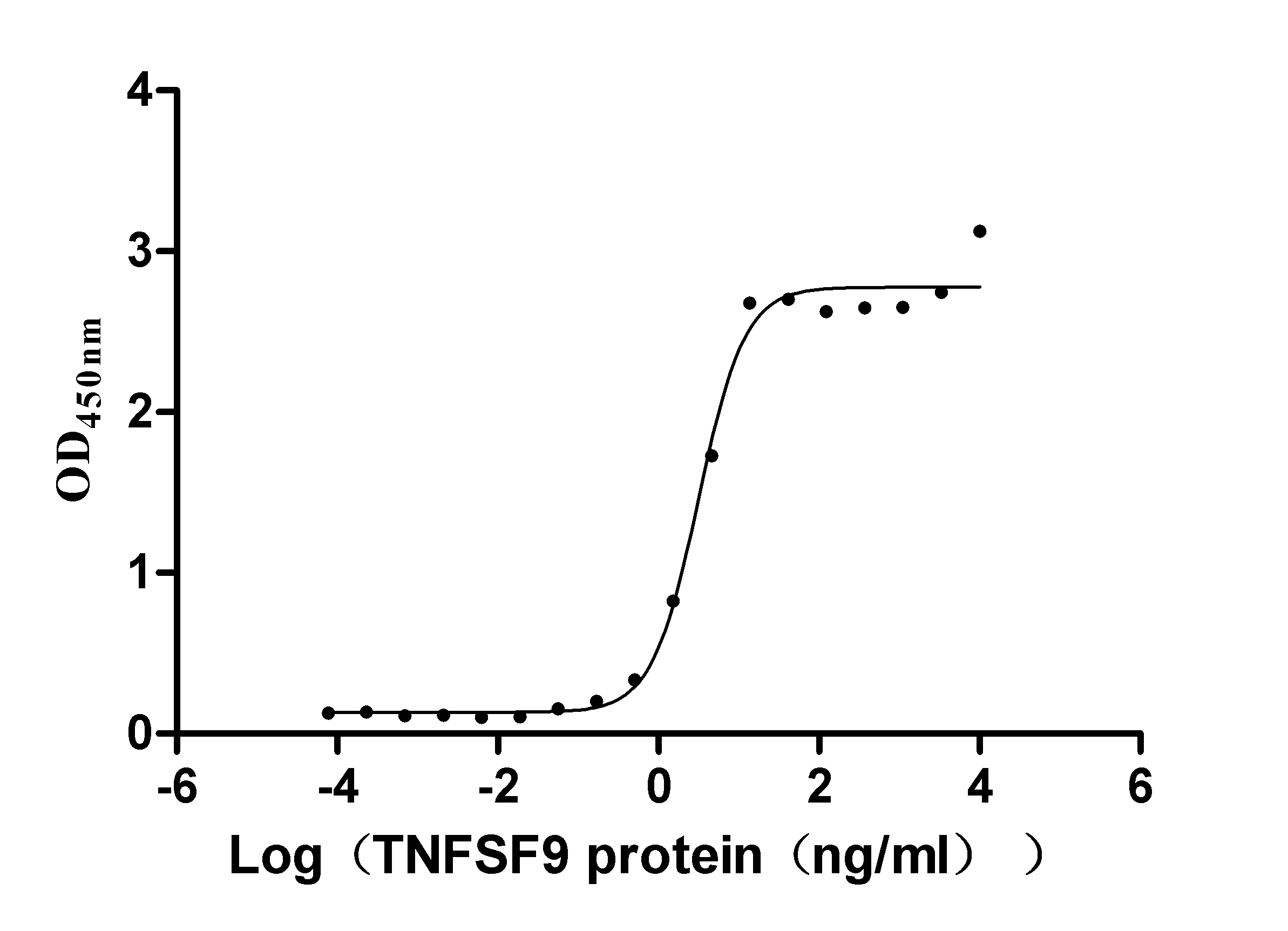
Recombinant Human Tumor necrosis factor ligand superfamily member 9 (TNFSF9), partial (Active)
Express system: Mammalian cell
Species: Homo sapiens (Human)
-
-AC1.jpg)
Recombinant Mouse Claudin-18.2 (Cldn18.2)-VLPs (Active)
Express system: Mammalian cell
Species: Mus musculus (Mouse)
-
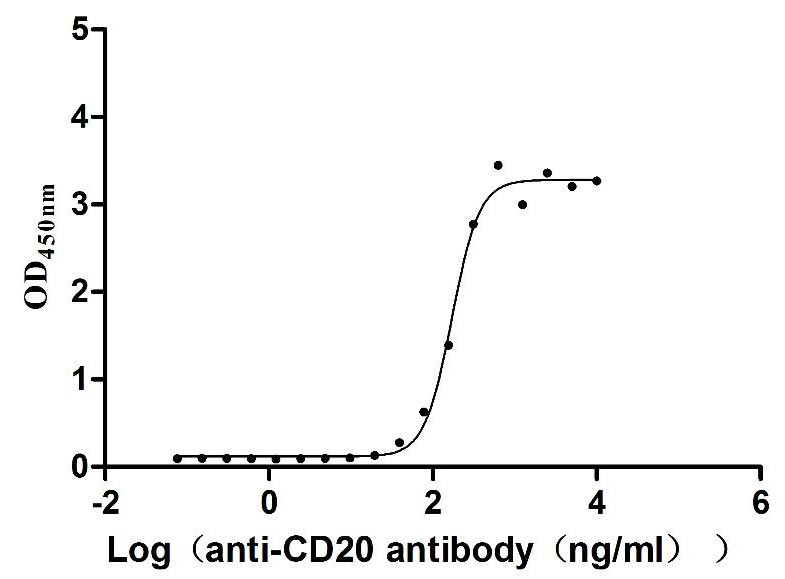
Recombinant Dog B-lymphocyte antigen CD20 (MS4A1)-VLPs (Active)
Express system: Mammalian cell
Species: Canis lupus familiaris (Dog) (Canis familiaris)
-
-AC1.jpg)
Recombinant Human Interleukin-17A (IL17A) (T26A) (Active)
Express system: Baculovirus
Species: Homo sapiens (Human)
-
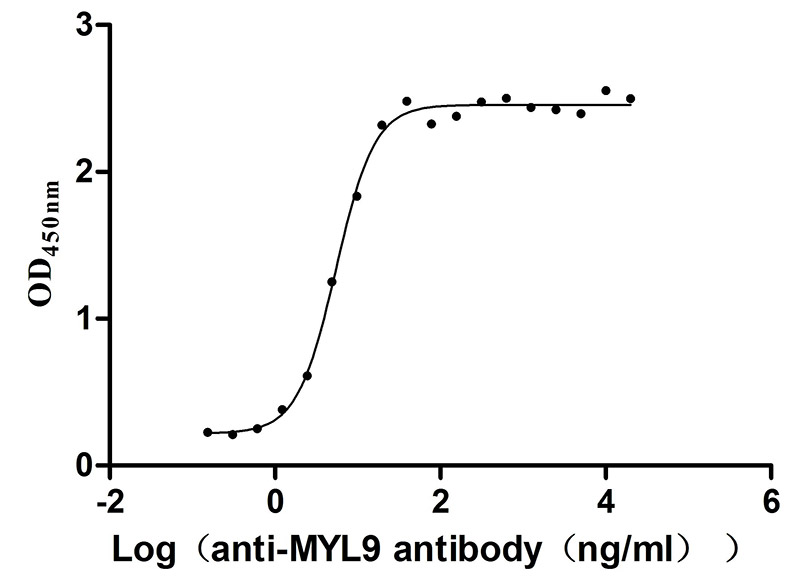
Recombinant Human Myosin regulatory light polypeptide 9 (MYL9) (Active)
Express system: Yeast
Species: Homo sapiens (Human)
-
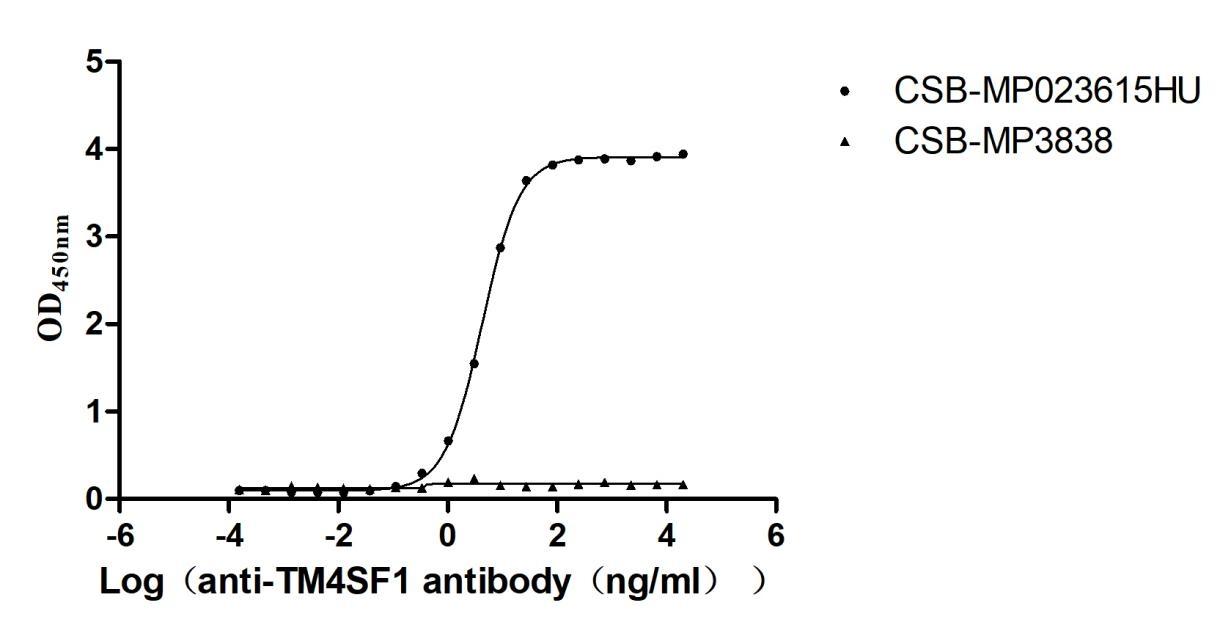
Recombinant Human Transmembrane 4 L6 family member 1(TM4SF1)-VLPs (Active)
Express system: Mammalian cell
Species: Homo sapiens (Human)
-
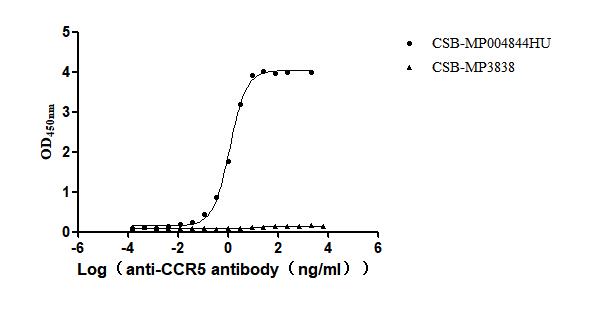
Recombinant Human C-C chemokine receptor type 5 (CCR5)-VLPs (Active)
Express system: Mammalian cell
Species: Homo sapiens (Human)