Recombinant Human Chymotrypsin-C (CTRC)
-
中文名稱:Recombinant Human Chymotrypsin-C (CTRC)
-
貨號:CSB-YP859526HU
-
規格:¥1656
-
圖片:
-
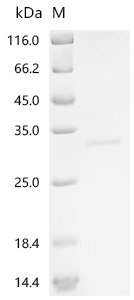 (Tris-Glycine gel) Discontinuous SDS-PAGE (reduced) with 5% enrichment gel and 15% separation gel.
-
-
其他:
產品詳情
-
純度:Greater than 95% as determined by SDS-PAGE.
-
生物活性:Not Test
-
基因名:CTRC
-
Uniprot No.:
-
別名:Caldecrin
-
種屬:Homo sapiens (Human)
-
蛋白長度:Full Length of Mature Protein
-
來源:Yeast
-
分子量:28.1 kDa
-
表達區域:30-268aa
-
氨基酸序列VVGGEDARPHSWPWQISLQYLKNDTWRHTCGGTLIASNFVLTAAHCISNTRTYRVAVGKNNLEVEDEEGSLFVGVDTIHVHKRWNALLLRNDIALIKLAEHVELSDTIQVACLPEKDSLLPKDYPCYVTGWGRLWTNGPIADKLQQGLQPVVDHATCSRIDWWGFRVKKTMVCAGGDGVISACNGDSGGPLNCQLENGSWEVFGIVSFGSRRGCNTRKKPVVYTRVSAYIDWINEKMQL
Note: The complete sequence may include tag sequence, target protein sequence, linker sequence and extra sequence that is translated with the protein sequence for the purpose(s) of secretion, stability, solubility, etc.
If the exact amino acid sequence of this recombinant protein is critical to your application, please explicitly request the full and complete sequence of this protein before ordering. -
蛋白標簽:C-terminal 6xHis-tagged
-
產品提供形式:Liquid or Lyophilized powder
Note: We will preferentially ship the format that we have in stock, however, if you have any special requirement for the format, please remark your requirement when placing the order, we will prepare according to your demand. -
緩沖液:If the delivery form is liquid, the default storage buffer is Tris/PBS-based buffer, 5%-50% glycerol. If the delivery form is lyophilized powder, the buffer before lyophilization is Tris/PBS-based buffer, 6% Trehalose, pH 8.0.
-
復溶:We recommend that this vial be briefly centrifuged prior to opening to bring the contents to the bottom. Please reconstitute protein in deionized sterile water to a concentration of 0.1-1.0 mg/mL.We recommend to add 5-50% of glycerol (final concentration) and aliquot for long-term storage at -20℃/-80℃. Our default final concentration of glycerol is 50%. Customers could use it as reference.
-
儲存條件:Store at -20°C/-80°C upon receipt, aliquoting is necessary for mutiple use. Avoid repeated freeze-thaw cycles.
-
保質期:The shelf life is related to many factors, storage state, buffer ingredients, storage temperature and the stability of the protein itself.
Generally, the shelf life of liquid form is 6 months at -20°C/-80°C. The shelf life of lyophilized form is 12 months at -20°C/-80°C. -
貨期:Delivery time may differ from different purchasing way or location, please kindly consult your local distributors for specific delivery time.
-
注意事項:Repeated freezing and thawing is not recommended. Store working aliquots at 4℃ for up to one week.
-
Datasheet & COA:Please contact us to get it.
產品評價

相關產品
靶點詳情
-
功能:Regulates activation and degradation of trypsinogens and procarboxypeptidases by targeting specific cleavage sites within their zymogen precursors. Has chymotrypsin-type protease activity and hypocalcemic activity.
-
基因功能參考文獻:
- CTRC variants, including p.Gly60Gly (c.180C>T) variant are significant chronic pancreatitis risk factors in pediatric patients. Screening for CTRC variants should be always considered in routine molecular diagnostics in early onset chronic pancreatitis. PMID: 28968289
- Our preliminary results show that the CTRC polymorphism p.G60= (c.180C>T) is frequent in patients with pancreatic cancer. However, further research is needed to verify our findings. PMID: 29154238
- Gene mutations were present in PRSS1 in 26 patients with acute recurrent and chronic pancreatitis, SPINK1 in 23, CTRC in 3, and CPA1 in 5. In the 31 patients with mutations in SPINK1, CTRC, or CPA1, 16 (51.6%) had homozygous or heterozygous mutations with other mutations. PMID: 27409067
- Early-onset pancreatitis is associated strongly with PRSS1 or CTRC mutations and family history of pancreatitis. PMID: 28502372
- CTRC polymorphism increases the risk of an acute pancreatitis occurrence and together with the SPINK 1 mutation, may be responsible for a more severe course of the disease. PMID: 28095786
- One patient carried a heterozygous CTRC p.P249L pathogenic variant, which is a known high-risk variant for pancreatitis. PMID: 27578509
- Human anionic trypsinogen is controlled by CTRC in a manner that individual natural mutations are unlikely to increase stability enough to promote intra-pancreatic activation. PMID: 27129265
- Letter: CTRC intron mutations associated with acute or chronic pancreatitis. PMID: 26166474
- In Israel, pediatric as well as adult recurrent acute pancreatitis and chronic pancreatitis are often associated with cationic trypsinogen, serine protease inhibitor Kazal type 1, CTRC, or Cystic Fibrosis Transmembrane Conductance Regulator mutations. PMID: 25383785
- Mutations in SPINK 1, CFTR and CTRC were detected in 6.3%, 2.3% and 1.8% of patients with acute pancreatitis versus 3.2%, 3.8% and 1.2% of controls. No relationship was found between the detected mutations and severity of pancreatitis. PMID: 26100556
- Loss-of-function mutations in CTRC increase the risk for chronic pancreatitis. Describe functional analysis of eight previously uncharacterized natural CTRC variants tested for potential defects in secretion, proteolytic stability, and catalytic activity. PMID: 26013824
- Expression of endoplasmic reticulum stress associated CTRC mutants reduces the levels of acetylated tubulin by increasing both the levels and phosphorylation of the deacetylase SIRT2. PMID: 26022124
- None of the selected 121 pancreatic cancer samples showed a pancreatitis-predisposing mutation in the CTRC gene. PMID: 25003218
- Rare CTRC genotypes contributed to the development of idiopathic chronic pancreatitis in 4.3% of cases. PMID: 23951356
- Chymotrypsin C variants reveals distinct loss-of-function mechanisms associated with chronic pancreatitis risk. PMID: 22942235
- This study on a large cohort of tropical calcific pancreatitis patients provides evidence of allelic heterogeneity and confirms that CTRC variants play a significant role in its pathogenesis. PMID: 22580415
- long-range electrostatic attraction toward substrates of concentrated negative charge governs substrate discrimination, which explains CTRC selectivity in regulating active digestive enzyme levels PMID: 23430245
- Frequencies of CFTR variants p.R75Q, p.I148T, 5T-allele and p.E528E were comparable in patients and controls. We identified 103 CFTR variants, which represents a 2.7-fold risk increase (p<0.0001). PMID: 22427236
- In Japanese, 5 novel missense variants in heterozygous form were found in CTRC. PMID: 23135764
- hereditary pancreatitis is caused by CTRC-dependent dysregulation of cationic trypsinogen autoactivation, which results in elevated trypsin levels in the pancreas. PMID: 22539344
- Review: summarize the functional defects associated with CTRC mutations in chronic pancreatitis. PMID: 21631589
- speculated that chymotrypsin C might regulate pancreatic cancer cell migration in relation to cytokeratin 18 expression PMID: 21460362
- CTRC (p.R254W) mutation might contribute to the panel of mutations that have been reported to elevate pancreatitis susceptibility in primary hyperparathyroidism. PMID: 20625975
- review of its association with chronic pancreatitis in the Asia Pacific region PMID: 21323990
- Chymotrypsin C is a co-activator of human pancreatic procarboxypeptidases A1 and A2. PMID: 21098023
- The contribution of CTRC variants to tropical calcific pancreatitis (TCP) is relatively small, but the identification of novel loss-of-function variants (p.G61R) underscores the importance of the trypsinogen pathway in causing TCP. PMID: 19404200
- A key regulator of activation and degradation of cationic trypsin; facilitates trypsinogen activation in the duodenum, and promotes trypsin degradation in the lower intestines as a function of decreasing luminal calcium ion concentrations. PMID: 17592142
- Study analyzed the gene encoding the trypsin-degrading enzyme chymotrypsin C in German subjects with idiopathic or hereditary chronic pancreatitis; 2 alterations in this gene were significantly overrepresented in the pancreatitis group. PMID: 18059268
- Novel CTRC gene variations and single nucleotide polymorphisms are associated with chymotrypsin C in a Chinese population. PMID: 19407484
顯示更多
收起更多
-
相關疾病:Pancreatitis, hereditary (PCTT)
-
蛋白家族:Peptidase S1 family, Elastase subfamily
-
組織特異性:Pancreas.
-
數據庫鏈接:
Most popular with customers
-
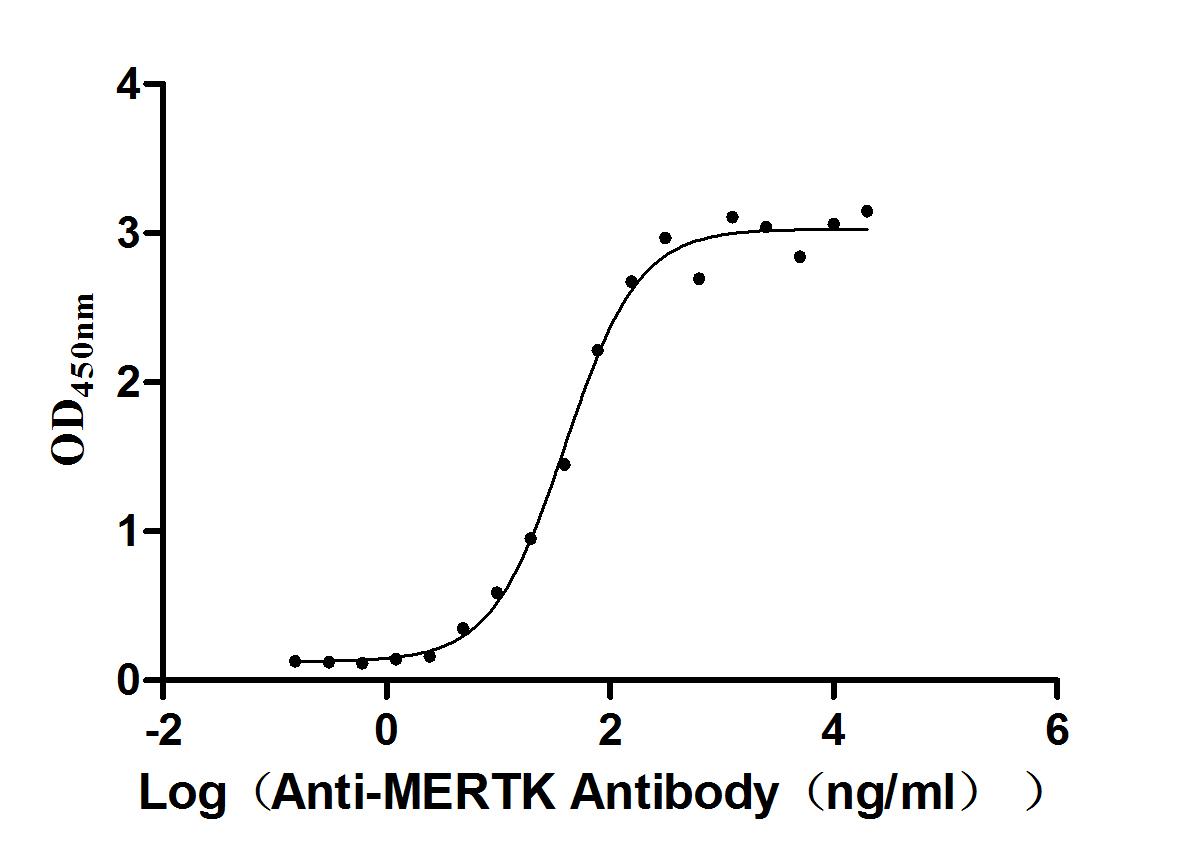
Recombinant Human Tyrosine-protein kinase Mer (MERTK), partial (Active)
Express system: Mammalian cell
Species: Homo sapiens (Human)
-
-AC1.jpg)
Recombinant Human Microtubule-associated protein tau (MAPT) (Active)
Express system: Mammalian cell
Species: Homo sapiens (Human)
-
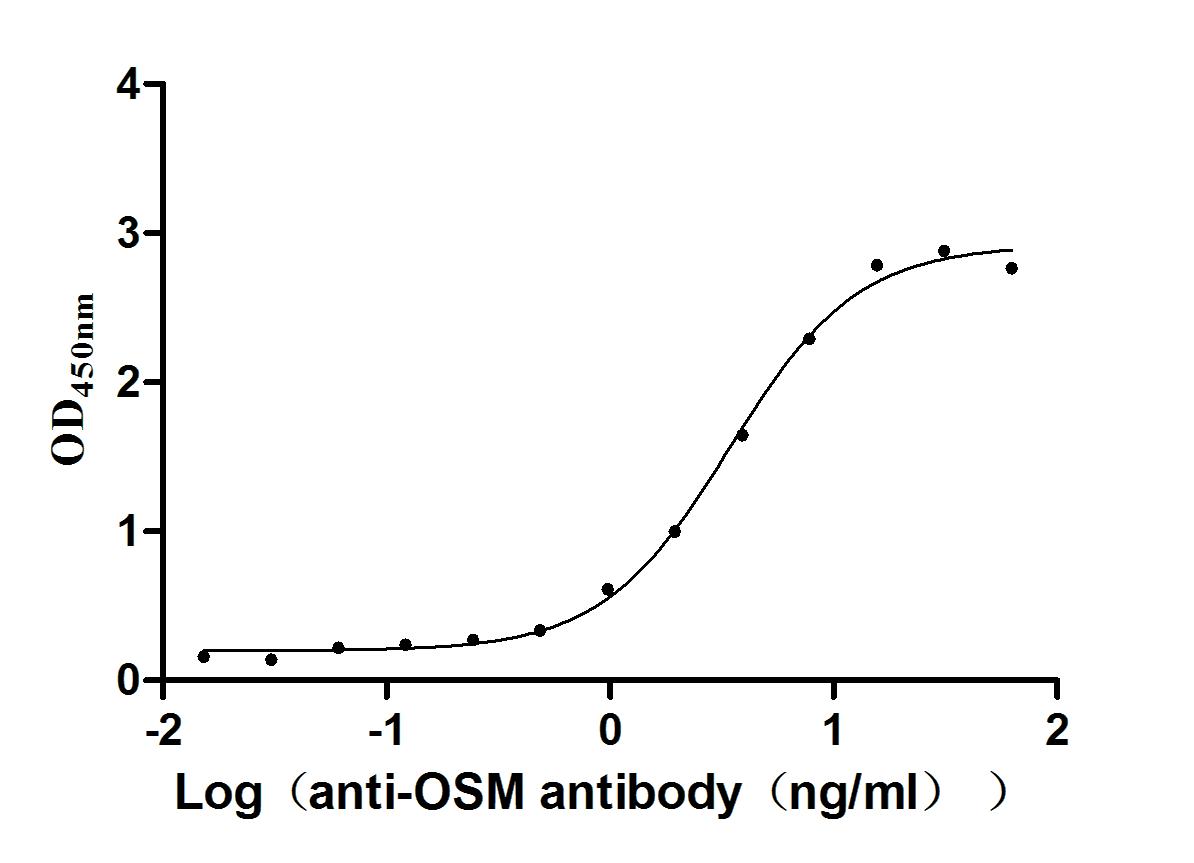
Recombinant Human Oncostatin-M (OSM), partial (Active)
Express system: Mammalian cell
Species: Homo sapiens (Human)
-
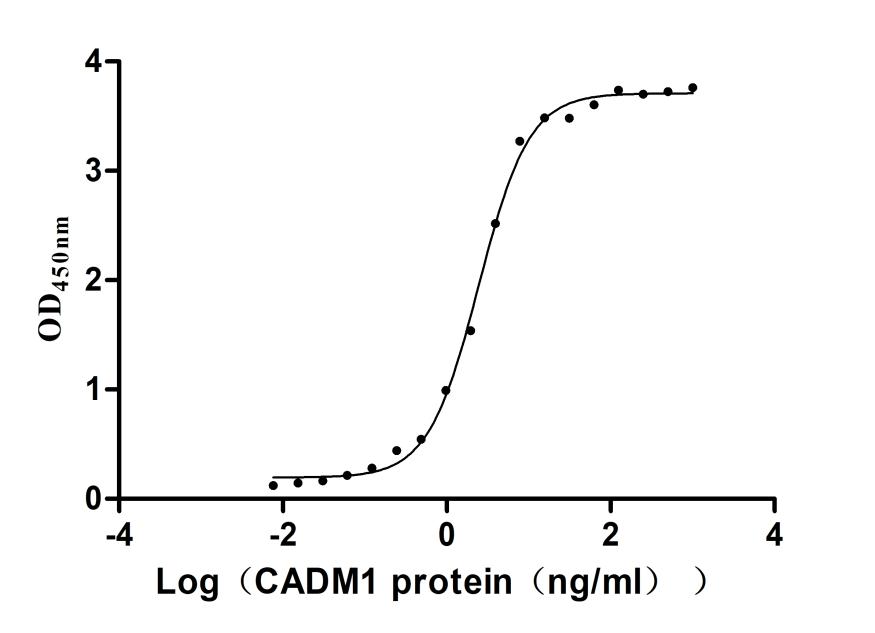
Recombinant Human Cytotoxic and regulatory T-cell molecule (CRTAM), partial (Active)
Express system: Mammalian cell
Species: Homo sapiens (Human)
-
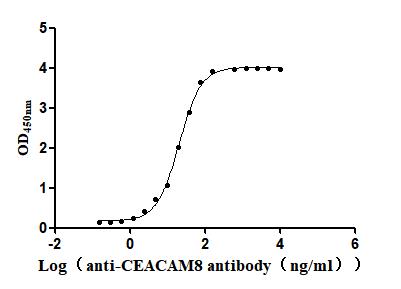
Recombinant Human Carcinoembryonic antigen-related cell adhesion molecule 8(CEACAM8) (Active)
Express system: Mammalian cell
Species: Homo sapiens (Human)
-
-AC1.jpg)
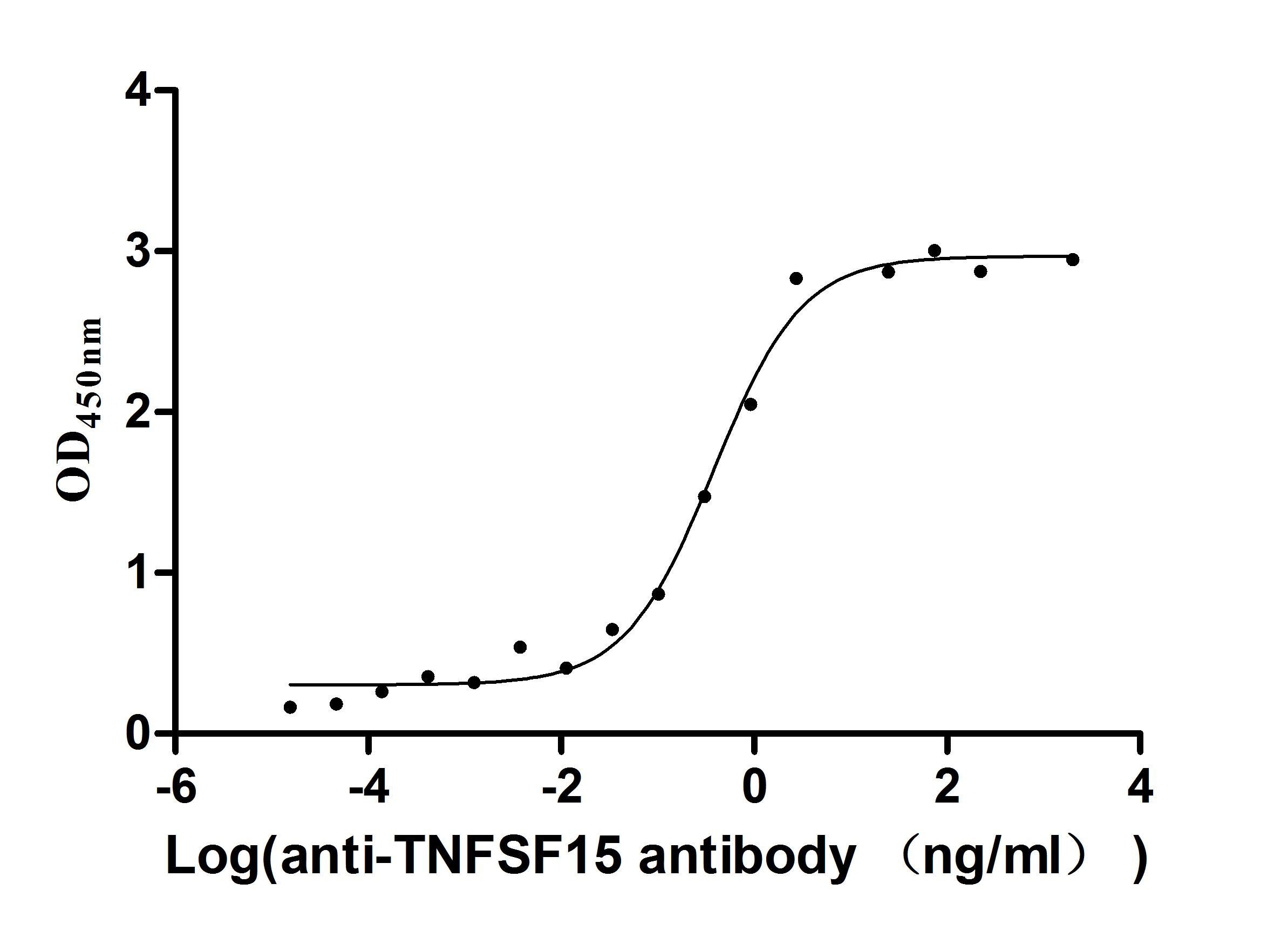
Recombinant Human Tumor necrosis factor ligand superfamily member 15(TNFSF15) (Active)
Express system: Mammalian cell
Species: Homo sapiens (Human)
-
Express system: Mammalian cell
Species: Homo sapiens (Human)
-
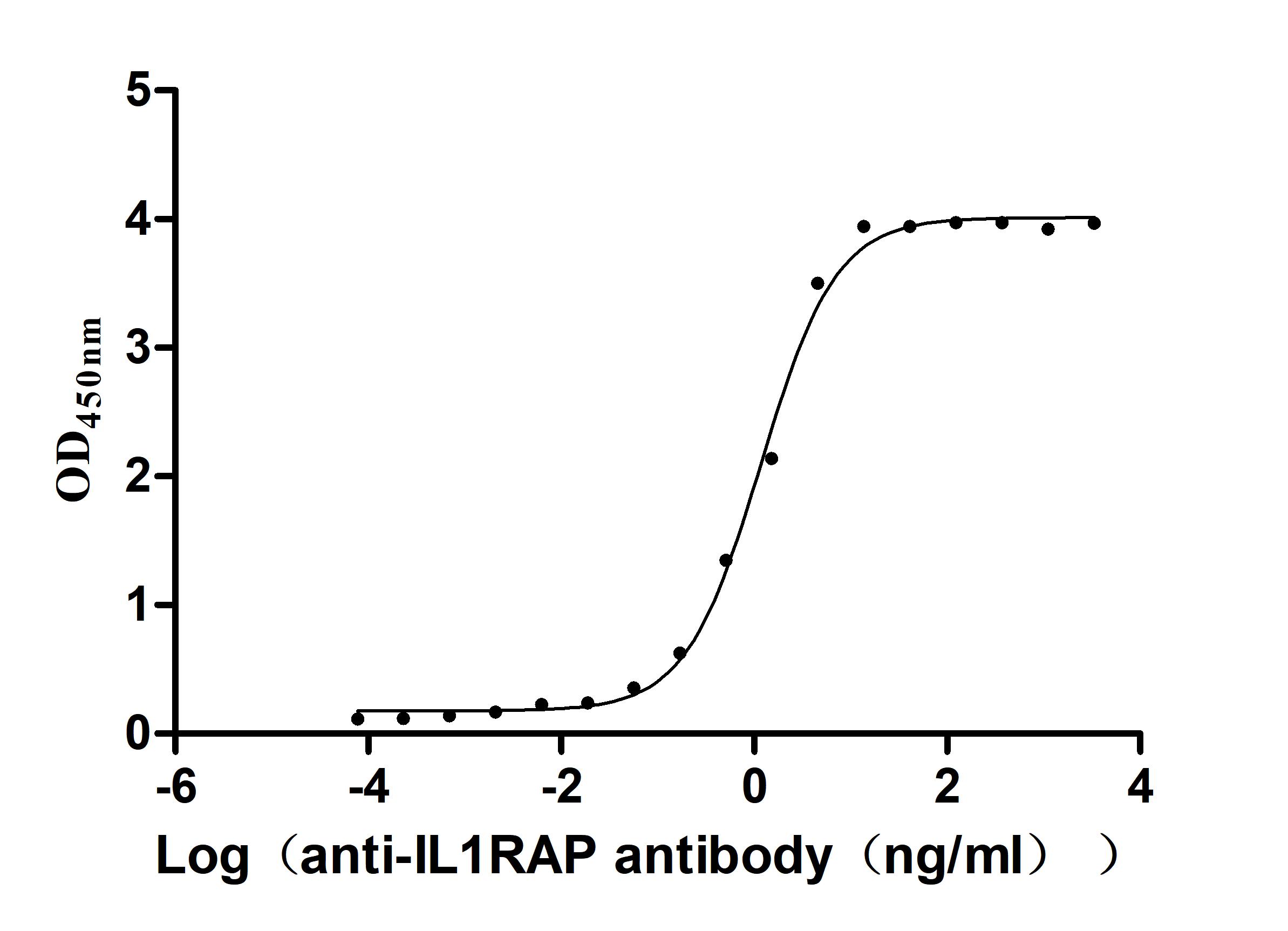
Recombinant Human Interleukin-1 receptor accessory protein (IL1RAP), partial (Active)
Express system: Mammalian cell
Species: Homo sapiens (Human)