Recombinant Human 26S proteasome non-ATPase regulatory subunit 10 (PSMD10)
-
中文名稱:人PSMD10重組蛋白
-
貨號:CSB-YP018899HU
-
規格:
-
來源:Yeast
-
其他:
-
中文名稱:人PSMD10重組蛋白
-
貨號:CSB-EP018899HU-B
-
規格:
-
來源:E.coli
-
共軛:Avi-tag Biotinylated
E. coli biotin ligase (BirA) is highly specific in covalently attaching biotin to the 15 amino acid AviTag peptide. This recombinant protein was biotinylated in vivo by AviTag-BirA technology, which method is BriA catalyzes amide linkage between the biotin and the specific lysine of the AviTag.
-
其他:
-
中文名稱:人PSMD10重組蛋白
-
貨號:CSB-BP018899HU
-
規格:
-
來源:Baculovirus
-
其他:
-
中文名稱:人PSMD10重組蛋白
-
貨號:CSB-MP018899HU
-
規格:
-
來源:Mammalian cell
-
其他:
產品詳情
-
純度:>85% (SDS-PAGE)
-
基因名:PSMD10
-
Uniprot No.:
-
別名:26S proteasome non-ATPase regulatory subunit 10; 26S proteasome regulatory subunit p28; Ankyrin repeat protein; dJ889N15.2; Gankyrin; Hepatocellular carcinoma-associated protein p28 II; p28; p28(GANK); Proteasome (prosome, macropain) 26S subunit, non ATPase, 10; Proteasome 26S S10; PSD10_HUMAN; Psmd10
-
種屬:Homo sapiens (Human)
-
蛋白長度:Full length protein
-
表達區域:1-226
-
氨基酸序列MEGCVSNLMV CNLAYSGKLE ELKESILADK SLATRTDQDS RTALHWACSA GHTEIVEFLL QLGVPVNDKD DAGWSPLHIA ASAGRDEIVK ALLGKGAQVN AVNQNGCTPL HYAASKNRHE IAVMLLEGGA NPDAKDHYEA TAMHRAAAKG NLKMIHILLY YKASTNIQDT EGNTPLHLAC DEERVEEAKL LVSQGASIYI ENKEEKTPLQ VAKGGLGLIL KRMVEG
-
蛋白標簽:Tag?type?will?be?determined?during?the?manufacturing?process.
The tag type will be determined during production process. If you have specified tag type, please tell us and we will develop the specified tag preferentially. -
產品提供形式:Lyophilized powder
Note: We will preferentially ship the format that we have in stock, however, if you have any special requirement for the format, please remark your requirement when placing the order, we will prepare according to your demand. -
復溶:We recommend that this vial be briefly centrifuged prior to opening to bring the contents to the bottom. Please reconstitute protein in deionized sterile water to a concentration of 0.1-1.0 mg/mL.We recommend to add 5-50% of glycerol (final concentration) and aliquot for long-term storage at -20℃/-80℃. Our default final concentration of glycerol is 50%. Customers could use it as reference.
-
儲存條件:Store at -20°C/-80°C upon receipt, aliquoting is necessary for mutiple use. Avoid repeated freeze-thaw cycles.
-
保質期:The shelf life is related to many factors, storage state, buffer ingredients, storage temperature and the stability of the protein itself.
Generally, the shelf life of liquid form is 6 months at -20°C/-80°C. The shelf life of lyophilized form is 12 months at -20°C/-80°C. -
貨期:Delivery time may differ from different purchasing way or location, please kindly consult your local distributors for specific delivery time.Note: All of our proteins are default shipped with normal blue ice packs, if you request to ship with dry ice, please communicate with us in advance and extra fees will be charged.
-
注意事項:Repeated freezing and thawing is not recommended. Store working aliquots at 4°C for up to one week.
-
Datasheet :Please contact us to get it.
產品評價

相關產品
靶點詳情
-
功能:Acts as a chaperone during the assembly of the 26S proteasome, specifically of the PA700/19S regulatory complex (RC). In the initial step of the base subcomplex assembly is part of an intermediate PSMD10:PSMC4:PSMC5:PAAF1 module which probably assembles with a PSMD5:PSMC2:PSMC1:PSMD2 module. Independently of the proteasome, regulates EGF-induced AKT activation through inhibition of the RHOA/ROCK/PTEN pathway, leading to prolonged AKT activation. Plays an important role in RAS-induced tumorigenesis.; Acts as an proto-oncoprotein by being involved in negative regulation of tumor suppressors RB1 and p53/TP53. Overexpression is leading to phosphorylation of RB1 and proteasomal degradation of RB1. Regulates CDK4-mediated phosphorylation of RB1 by competing with CDKN2A for binding with CDK4. Facilitates binding of MDM2 to p53/TP53 and the mono- and polyubiquitination of p53/TP53 by MDM2 suggesting a function in targeting the TP53:MDM2 complex to the 26S proteasome. Involved in p53-independent apoptosis. Involved in regulation of NF-kappa-B by retaining it in the cytoplasm. Binds to the NF-kappa-B component RELA and accelerates its XPO1/CRM1-mediated nuclear export.
-
基因功能參考文獻:
- gankyrin alleviates oxidative stress via mTORC1 pathway activation. PMID: 30420909
- the pro-malignant effects of Gankyrin in CRC cells PMID: 29883699
- Low Gankyrin expression is associated with drug resistance in Breast Cancer. PMID: 29286612
- the results demonstrated that the lentivirus-mediated shRNA vector-based RNAi expression system is an efficient method to silence PSMD10 gene expression in the MM RPMI-8226 cell line. It may provide a basis to study the role of PSMD10 in tumor cells, and may be a reliable gene therapy strategy in the clinic PMID: 28677774
- Gankyrin sustains PI3K/GSK-3beta/beta-catenin signal activation and promotes an aggressive colorectal cancer phenotype and disease progression. PMID: 27835604
- PSMD10/gankyrin has a role in inducing autophagy to promote tumor progression through cytoplasmic interaction with ATG7 and nuclear transactivation of ATG7 expression PMID: 25905985
- we conclude that FXR-Gank-TSPs-Stem cells pathway is a key determinant of liver cancer in animal models and in pediatric liver cancer. Our data provide a strong basis for development of FXR-Gank-based therapy for treatment of patients with hepatoblastoma PMID: 28535186
- p28 assists the proteolytic core particle to select a specific conformation of the ATPase ring for regulatory particle engagement and is released in a shoehorn-like fashion in the last step of the chaperone-mediated proteasome assembly. PMID: 28689658
- gankyrin regulates HIF-1alpha protein stability and cyclin D1 expression, ultimately mediating FSH-driven ovarian cancer cell proliferation PMID: 26364616
- The positive feedback regulation involving gankyrin and Nrf2 modulates a series of antioxidant enzymes, thereby lowering intracellular ROS and conferring a steadier intracellular environment, which prevents mitochondrial damage and cell death induced by excessive oxidative stress. PMID: 27091842
- Gankyrin enhanced gastric cancer cell proliferation by regulating cell cycle-related proteins and by activating PI3K/AKT signaling pathway. Gankyrin played an important role in gastric carcinogenesis and could be a potential effective therapeutic target for enhancing chemosensitivity to 5-fluorouracil and cisplatin. PMID: 28653901
- gankyrin is an oncoprotein that can be modified by small molecules in tumor cell lines PMID: 27046077
- Gankyrin overexpression activates mTORC1 signaling and accelerating TSC2 degradation in colorectal tumor cells. PMID: 26975632
- Gankyrin is an oncoprotein that facilitates the degradation of two key tumor suppressors, namely, Rb and p53. Gankyrin is involved in the regulation of cell signaling pathways, with particular reference to RhoA/ROCK/PTEN/PI3K/Akt, beta-catenin, IL-6/STAT3, and IL-1beta/IRAK-1 inflammatory signaling. Review. PMID: 26819208
- Gankyrin-overexpressed non-small cell lung cancer patients had a significantly shorter survival time PMID: 26554593
- Results identified rs111638916 SNP in the PSMD10 3'-UTR as a risk factor for gastric cancer (GC) and acted as a tumor promoting factor. SNP rs111638916 was also regulated by miR-505, resulting in its up-regulation in patients with GA and AA genotypes. PMID: 26394032
- p28GANK expression was increased in metastatic ESCC tissues and cells, and p28GANK knockdown decreased the metastatic ability of ESCC cells. PMID: 25634618
- This study identifies gankyrin, for the first time, as new potential predictive and oncogenic factor of well-differentiated/dedifferentiated liposarcoma, suggesting the potential for service as a future Liposarcoma therapeutic approach. PMID: 25238053
- On the base results of present study one can suggests the p28GANK being useful as a predictive marker for patient prognosis and a novel therapeutic target for gastric cancer. PMID: 25842830
- IL-1beta stimulation causes sequential phosphorylation of IRAK-1, c-Jun N-terminal kinase, and p300 and enhances recruitment of the p300/CBP/NF-Y complex to Gankyrin promoter PMID: 25294684
- Gankyrin is aberrantly expressed beginning at the initiation stage and plays an important role in the initiation, promotion, and progression of hepatocarcinogenesis. PMID: 24999092
- Gankyrin may be functional in cervical carcinogenesis and metastasis. PMID: 24751719
- MiR-605 directly targets and represses PSMD10 expression. PMID: 25131931
- The intensity of gankyrin expression was 'positive' in two cases (20%) and 'strongly positive' in eight cases (80%). PMID: 24460153
- Gankyrin deletion abrogated the increased metastatic potential of breast cancer cells under hypoxic conditions partly through regulating Ecadherin. PMID: 24337075
- Gankyrin is crucial for cholangiocarcinoma carcinogenesis and metastasis by activating IL-6/STAT3 signaling pathway through down-regulating Rb protein. PMID: 24037855
- Activation of the interleukin (IL)-8 signaling pathway by Gankyrin. PMID: 23576566
- Data indicate that miR-214 down-regulated the expression of PSMD10 (gankyrin) and ASF1B, and gankyrin inhibition induced an increase of P53 mRNA levels. PMID: 23100276
- In colorectal cancer development, gankyrin would control stem cell behavior by regulating the expression of stemness factors. PMID: 23508981
- findings suggest that Gankyrin is crucial for breast cancer metastasis PMID: 22890318
- gankyrin was identified in normal breasts and overexpressed in invasive breast cancers. The overexpression of gankyrin was associated with extensive intraductal carcinoma and ErbB2 expression in breast cancer. PMID: 23276718
- Increased expression of p28GANK is correlated with glioma. PMID: 22913315
- the roles and underlying mechanisms by which gankyrin is involved in tumorigenesis and cancer metastasis PMID: 22913272
- Knockdown of HURP inhibits the proliferation of hepacellular carcinoma cells via downregulation of gankyrin and accumulation of p53. PMID: 22230478
- Upregulation of p28(GANK) expression subsequently enhanced the transcription activity of beta-catenin. PMID: 21691299
- Gankyrin overexpression is a prevalent event in human oral cancer and occurs during the early stages of oral carcinogenesis, thus being a viable therapeutic or chemopreventive target in oral cancer PMID: 21868508
- we detected a significant correlation between p28(GANK) expression and p-AKT levels in a cohort of hepatocellular carcinoma biopsies, and the combination of these two parameters is a more powerful predictor of poor prognosis. PMID: 21254169
- these findings suggest that down-regulation of P28GANK gene expression could sensitize osteosarcoma cells to chemotherapeutic drugs by down-regulation of the MDR-1 and Bcl-2 and up-regulation of Bax gene expression. PMID: 21287809
- Gankyrin could enhance pancreatic cancer cell proliferation by promoting cell cycle progression and p53 degradation. PMID: 20483533
- analysis of how gankyrin unfolds under force via multiple distinct pathways PMID: 20371329
- Gankyrin is a key regulator of Ras-mediated activation of Akt through inhibition of the downstream RhoA/ROCK pathway and thus plays an essential role in Ras-induced tumorigenesis. PMID: 20628200
- Gankyrin was overexpressed in colorectal cancer tissues and cell lines compared to controls, and gankyrin expression was correlated with TNM stages and metastasis of CRC. PMID: 19901563
- p28(GANK) has potential implications for hepatocellular carcinoma progression under the endoplasmic reticulum stress conditions PMID: 19736567
- Overexpression of p28/gankyrin in HCC plays an important role and contributes to the metastasis potential in the process of carcinogenesis. PMID: 12174370
- MAGE-A4 binds to gankyrin and suppresses its oncogenic activity. PMID: 12525503
- gankyrin interactions with partner proteins are mediated by residues situated on its concave surface PMID: 14573599
- X-ray structure of gankyrin. PMID: 14997555
- The hepatocytic staining for p28(GANK) is clearly useful in differentiating hepatocyte-originated carcinoma from non-HCC. p28(GANK) may be used as an ancillary marker for the diagnosis of HCC. PMID: 15221469
- Structural comparison with p16(INK4A) identified several residues of gankyrin that are potentially important for CDK4 binding PMID: 15379554
- role of p28GANK as a highly expressed oncoprotein in hepatocellular carcinoma by in situ examination PMID: 15910504
顯示更多
收起更多
-
亞細胞定位:Cytoplasm. Nucleus.
-
組織特異性:Tends to be up-regulated in cancer cells with RAS mutations, including lung cancers and adenocarconimas (at protein level).
-
數據庫鏈接:
Most popular with customers
-
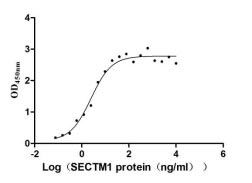
Recombinant Human Secreted and transmembrane protein 1 (SECTM1), partial (Active)
Express system: Mammalian cell
Species: Homo sapiens (Human)
-
-AC1.jpg)
Recombinant Human T-cell surface protein tactile (CD96), partial (Active)
Express system: Mammalian cell
Species: Homo sapiens (Human)
-
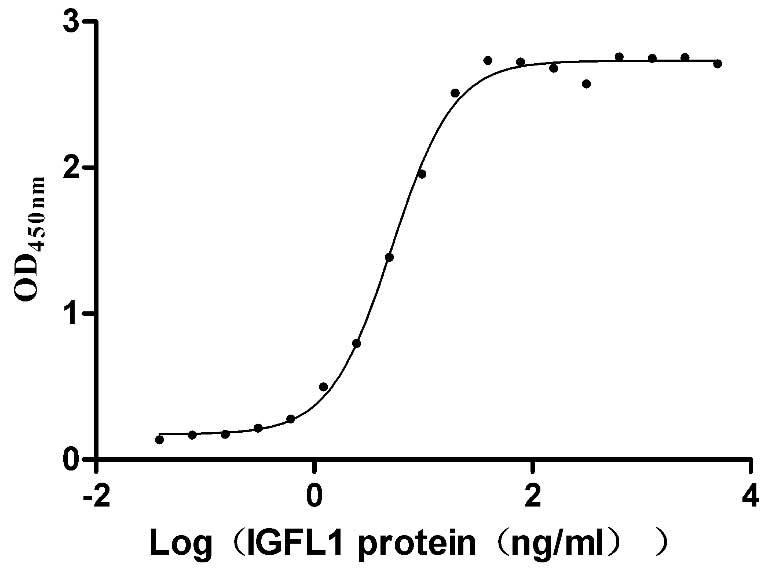
Recombinant Human IGF-like family receptor 1 (IGFLR1), partial (Active)
Express system: Mammalian cell
Species: Homo sapiens (Human)
-
-AC1.jpg)
Recombinant Mouse Claudin-18.2 (Cldn18.2)-VLPs (Active)
Express system: Mammalian cell
Species: Mus musculus (Mouse)
-
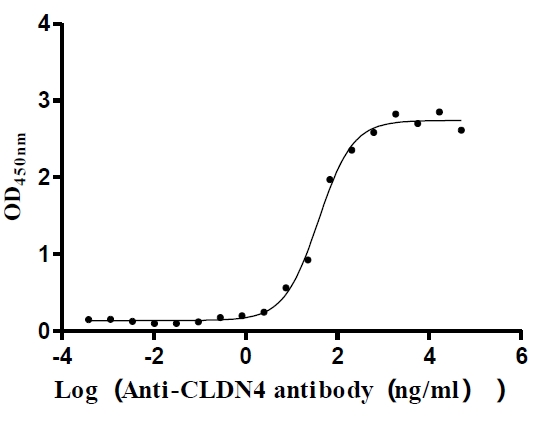
Recombinant Human Claudin-4 (CLDN4)-VLPs (Active)
Express system: Mammalian cell
Species: Homo sapiens (Human)
-
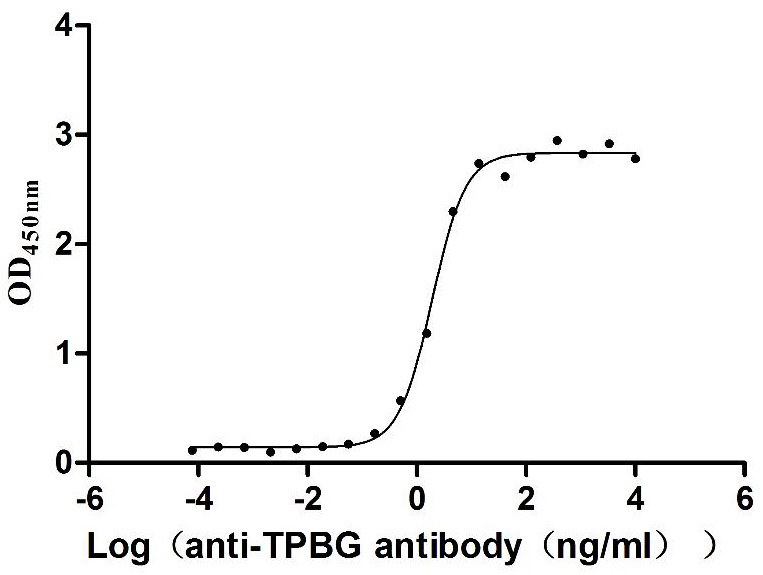
Recombinant Macaca fascicularis Trophoblast glycoprotein (TPBG), partial (Active)
Express system: Mammalian cell
Species: Macaca fascicularis (Crab-eating macaque) (Cynomolgus monkey)
-
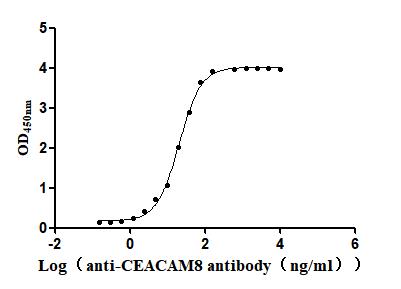
Recombinant Human Carcinoembryonic antigen-related cell adhesion molecule 8(CEACAM8) (Active)
Express system: Mammalian cell
Species: Homo sapiens (Human)
-
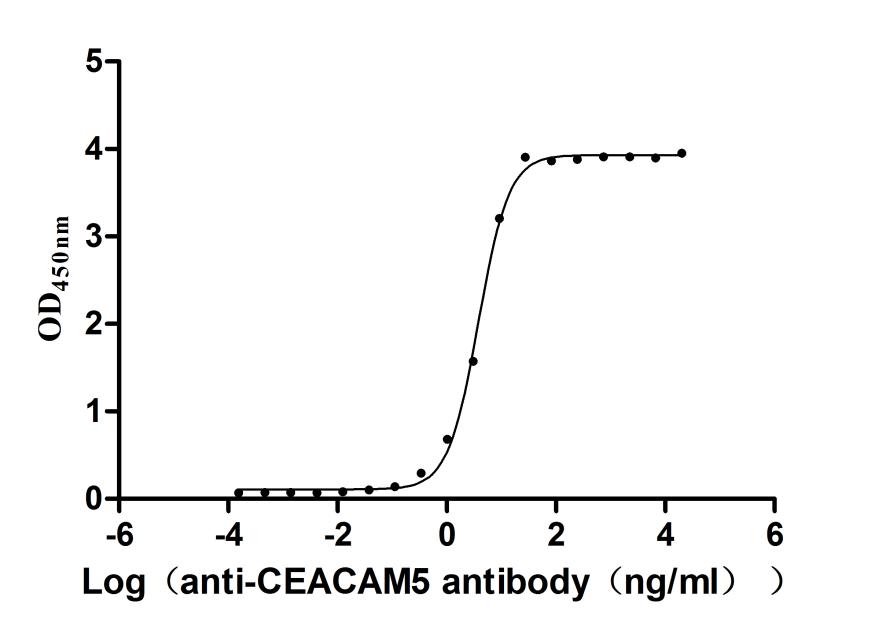
Express system: Mammalian cell
Species: Macaca mulatta (Rhesus macaque)