Recombinant Hepatitis C virus Genome polyprotein, partial
-
中文名稱:Recombinant Hepatitis C virus Genome polyprotein ,partial
-
貨號:CSB-YP340928HEW
-
規格:
-
來源:Yeast
-
其他:
-
中文名稱:Recombinant Hepatitis C virus Genome polyprotein ,partial
-
貨號:CSB-EP340928HEW
-
規格:
-
來源:E.coli
-
其他:
-
中文名稱:Recombinant Hepatitis C virus Genome polyprotein ,partial
-
貨號:CSB-EP340928HEW-B
-
規格:
-
來源:E.coli
-
共軛:Avi-tag Biotinylated
E. coli biotin ligase (BirA) is highly specific in covalently attaching biotin to the 15 amino acid AviTag peptide. This recombinant protein was biotinylated in vivo by AviTag-BirA technology, which method is BriA catalyzes amide linkage between the biotin and the specific lysine of the AviTag.
-
其他:
-
中文名稱:Recombinant Hepatitis C virus Genome polyprotein ,partial
-
貨號:CSB-BP340928HEW
-
規格:
-
來源:Baculovirus
-
其他:
-
中文名稱:Recombinant Hepatitis C virus Genome polyprotein ,partial
-
貨號:CSB-MP340928HEW
-
規格:
-
來源:Mammalian cell
-
其他:
產品詳情
-
純度:>85% (SDS-PAGE)
-
基因名:N/A
-
Uniprot No.:
-
別名:Genome polyprotein [Cleaved into: Envelope glycoprotein E1; gp32; gp35); Envelope glycoprotein E2; NS1; gp68; gp70)]; Fragment
-
種屬:Hepatitis C virus (isolate EC10) (HCV)
-
蛋白長度:Partial
-
蛋白標簽:Tag?type?will?be?determined?during?the?manufacturing?process.
The tag type will be determined during production process. If you have specified tag type, please tell us and we will develop the specified tag preferentially. -
產品提供形式:Lyophilized powder
Note: We will preferentially ship the format that we have in stock, however, if you have any special requirement for the format, please remark your requirement when placing the order, we will prepare according to your demand. -
復溶:We recommend that this vial be briefly centrifuged prior to opening to bring the contents to the bottom. Please reconstitute protein in deionized sterile water to a concentration of 0.1-1.0 mg/mL.We recommend to add 5-50% of glycerol (final concentration) and aliquot for long-term storage at -20℃/-80℃. Our default final concentration of glycerol is 50%. Customers could use it as reference.
-
儲存條件:Store at -20°C/-80°C upon receipt, aliquoting is necessary for mutiple use. Avoid repeated freeze-thaw cycles.
-
保質期:The shelf life is related to many factors, storage state, buffer ingredients, storage temperature and the stability of the protein itself.
Generally, the shelf life of liquid form is 6 months at -20°C/-80°C. The shelf life of lyophilized form is 12 months at -20°C/-80°C. -
貨期:Delivery time may differ from different purchasing way or location, please kindly consult your local distributors for specific delivery time.Note: All of our proteins are default shipped with normal blue ice packs, if you request to ship with dry ice, please communicate with us in advance and extra fees will be charged.
-
注意事項:Repeated freezing and thawing is not recommended. Store working aliquots at 4°C for up to one week.
-
Datasheet :Please contact us to get it.
產品評價

靶點詳情
-
功能:Forms a heterodimer with envelope glycoprotein E2, which mediates virus attachment to the host cell, virion internalization through clathrin-dependent endocytosis and fusion with host membrane. Fusion with the host cell is most likely mediated by both E1 and E2, through conformational rearrangements of the heterodimer required for fusion rather than a classical class II fusion mechanism. E1/E2 heterodimer binds host apolipoproteins such as APOB and ApoE thereby forming a lipo-viro-particle (LVP). APOE associated to the LVP allows the initial virus attachment to cell surface receptors such as the heparan sulfate proteoglycans (HSPGs), syndecan-1 (SDC1), syndecan-1 (SDC2), the low-density lipoprotein receptor (LDLR) and scavenger receptor class B type I (SCARB1). The cholesterol transfer activity of SCARB1 allows E2 exposure and binding of E2 to SCARB1 and the tetraspanin CD81. E1/E2 heterodimer binding on CD81 activates the epithelial growth factor receptor (EGFR) signaling pathway. Diffusion of the complex E1-E2-EGFR-SCARB1-CD81 to the cell lateral membrane allows further interaction with Claudin 1 (CLDN1) and occludin (OCLN) to finally trigger HCV entry.; Forms a heterodimer with envelope glycoprotein E1, which mediates virus attachment to the host cell, virion internalization through clathrin-dependent endocytosis and fusion with host membrane. Fusion with the host cell is most likely mediated by both E1 and E2, through conformational rearrangements of the heterodimer required for fusion rather than a classical class II fusion mechanism. The interaction between envelope glycoprotein E2 and host apolipoprotein E/APOE allows the proper assembly, maturation and infectivity of the viral particles. This interaction is probably promoted via the up-regulation of cellular autophagy by the virus. E1/E2 heterodimer binds host apolipoproteins such as APOB and APOE thereby forming a lipo-viro-particle (LVP). APOE associated to the LVP allows the initial virus attachment to cell surface receptors such as the heparan sulfate proteoglycans (HSPGs), syndecan-1 (SDC1), syndecan-1 (SDC2), the low-density lipoprotein receptor (LDLR) and scavenger receptor class B type I (SCARB1). The cholesterol transfer activity of SCARB1 allows E2 exposure and binding of E2 to SCARB1 and the tetraspanin CD81. E1/E2 heterodimer binding on CD81 activates the epithelial growth factor receptor (EGFR) signaling pathway. Diffusion of the complex E1-E2-EGFR-SCARB1-CD81 to the cell lateral membrane allows further interaction with Claudin 1 (CLDN1) and occludin (OCLN) to finally trigger HCV entry. Inhibits host EIF2AK2/PKR activation, preventing the establishment of an antiviral state. Viral ligand for CD209/DC-SIGN and CLEC4M/DC-SIGNR, which are respectively found on dendritic cells (DCs), and on liver sinusoidal endothelial cells and macrophage-like cells of lymph node sinuses. These interactions allow the capture of circulating HCV particles by these cells and subsequent facilitated transmission to permissive cells such as hepatocytes and lymphocyte subpopulations.
-
亞細胞定位:[Envelope glycoprotein E1]: Virion membrane; Single-pass type I membrane protein. Host endoplasmic reticulum membrane; Single-pass type I membrane protein.; [Envelope glycoprotein E2]: Virion membrane; Single-pass type I membrane protein. Host endoplasmic reticulum membrane; Single-pass type I membrane protein. Host lipid droplet.
-
蛋白家族:Hepacivirus polyprotein family
Most popular with customers
-
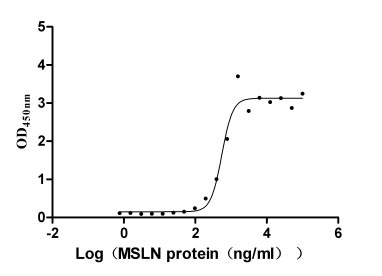
Recombinant Human Mucin-16 (MUC16), partial (Active)
Express system: Mammalian cell
Species: Homo sapiens (Human)
-
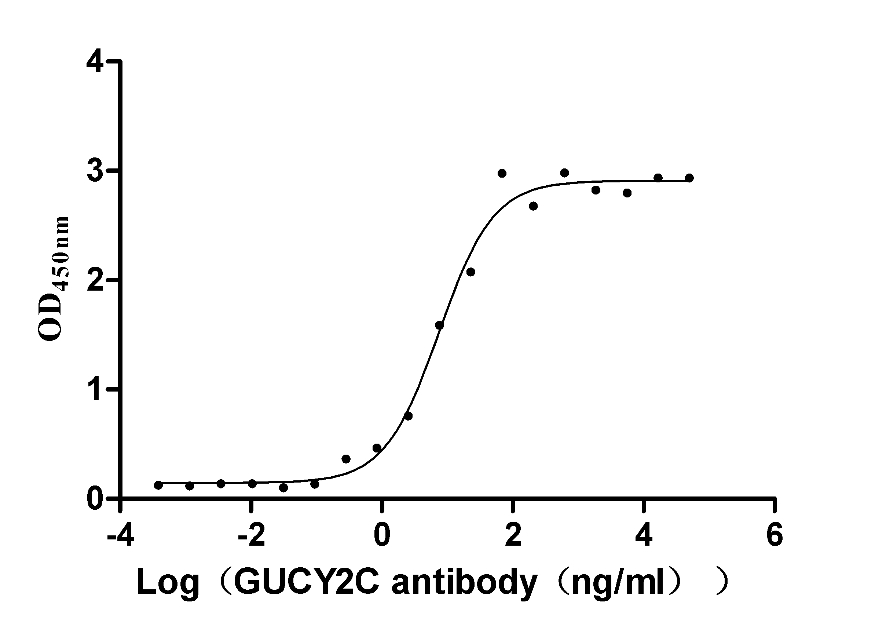
Recombinant Human Heat-stable enterotoxin receptor (GUCY2C), partial (Active)
Express system: Mammalian cell
Species: Homo sapiens (Human)
-
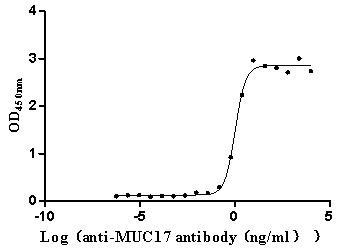
Recombinant Human Mucin-17 (MUC17), partial (Active)
Express system: Mammalian cell
Species: Homo sapiens (Human)
-
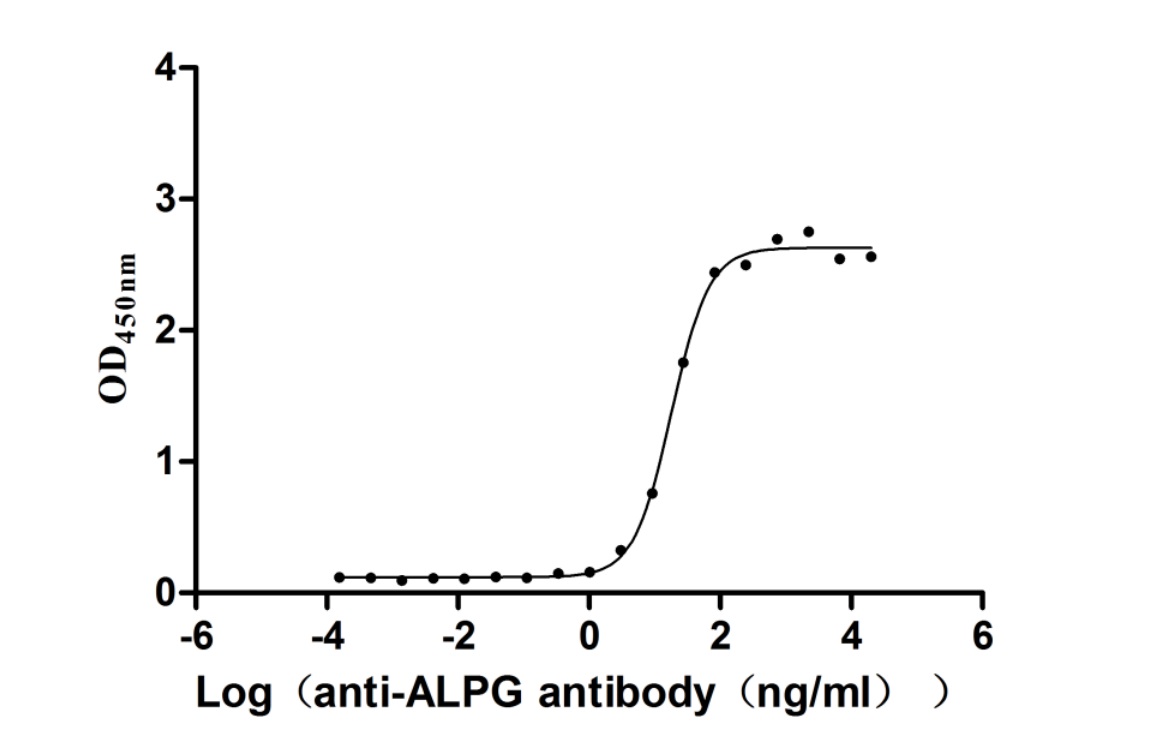
Recombinant Human Alkaline phosphatase, germ cell type (ALPG) (Active)
Express system: Mammalian cell
Species: Homo sapiens (Human)
-
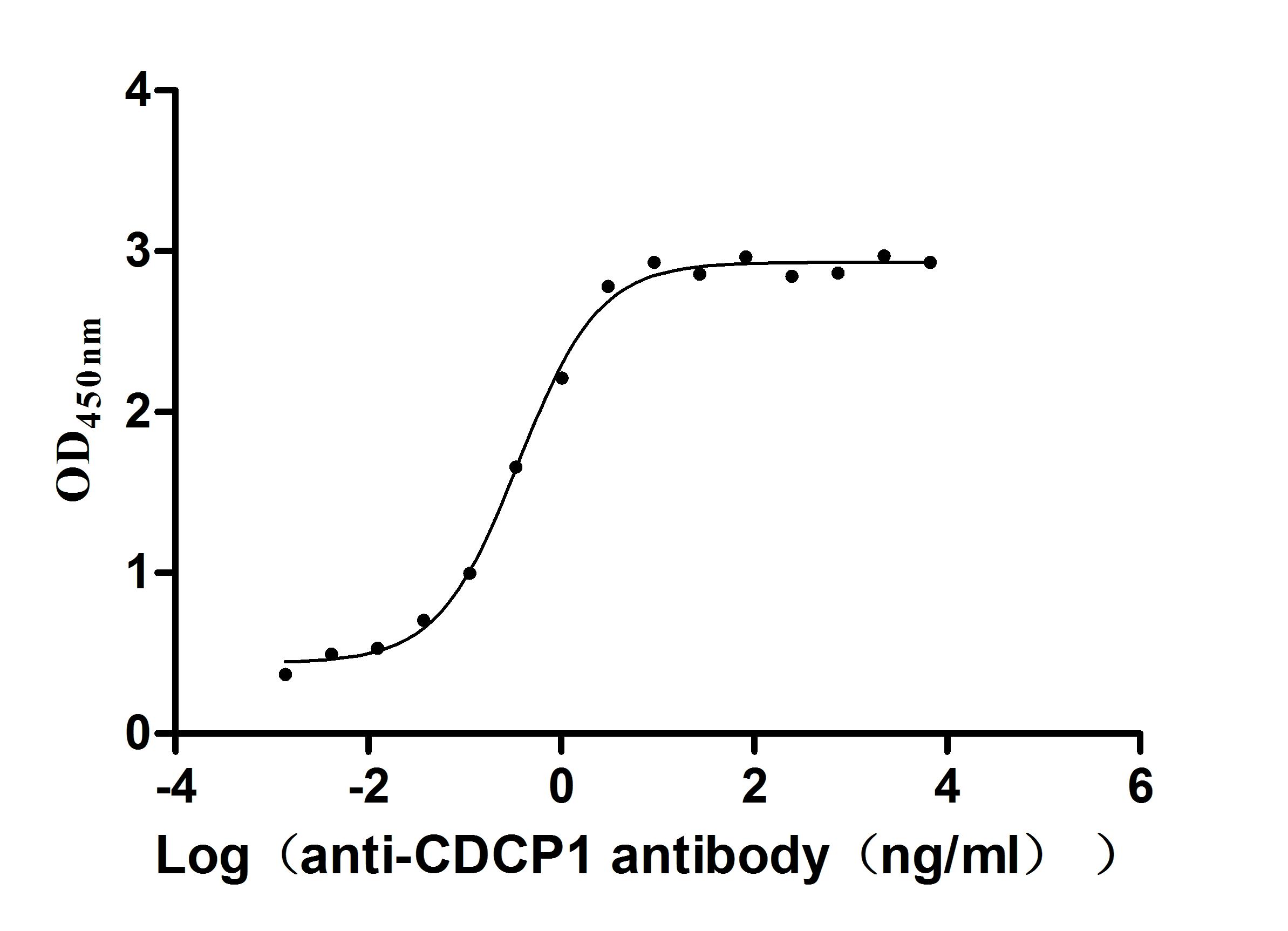
Recombinant Human CUB domain-containing protein 1 (CDCP1), partial (Active)
Express system: Mammalian cell
Species: Homo sapiens (Human)
-
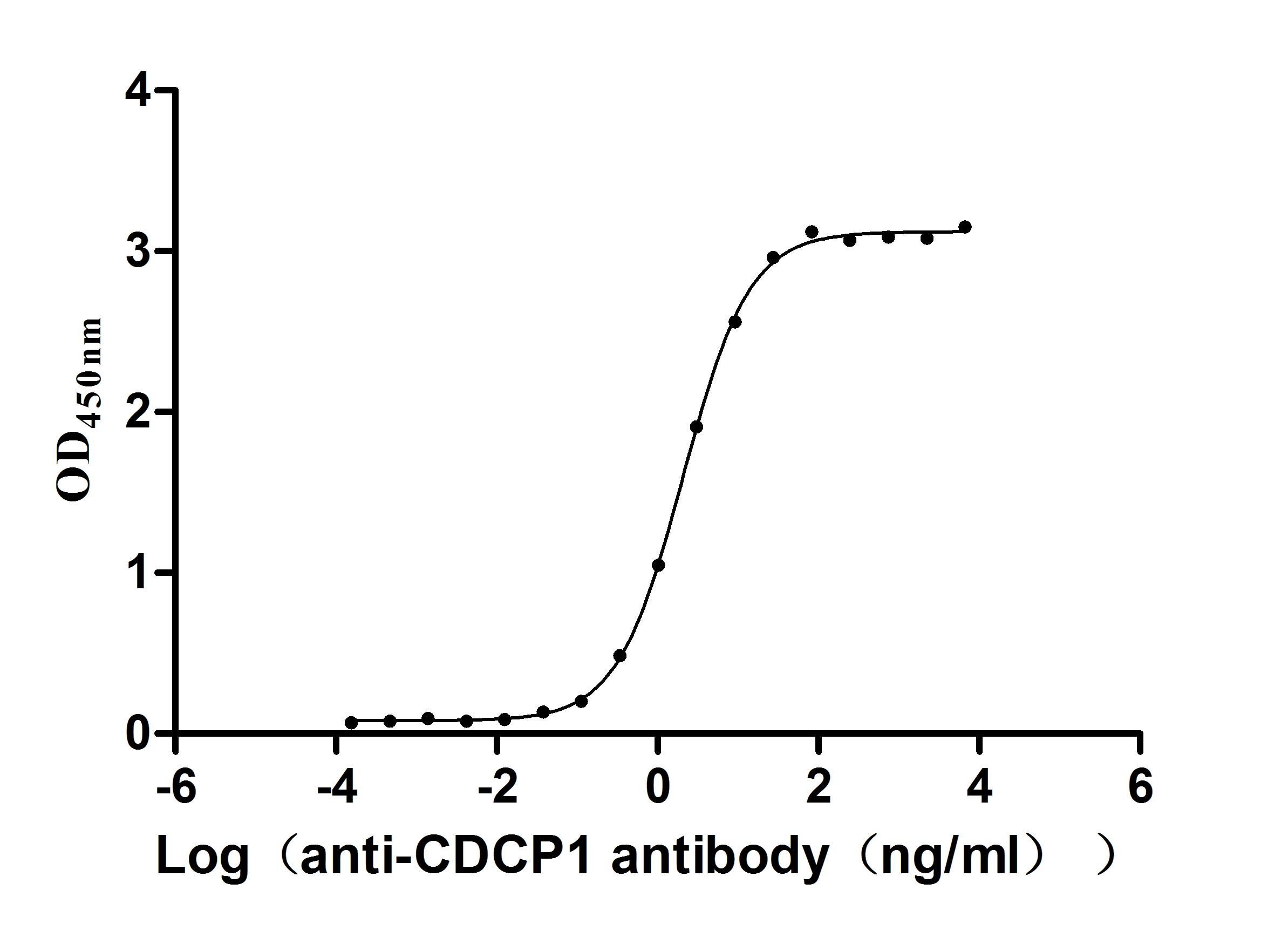
Recombinant Macaca fascicularis CUB domain containing protein 1 (CDCP1), partial (Active)
Express system: Mammalian cell
Species: Macaca fascicularis (Crab-eating macaque) (Cynomolgus monkey)
-
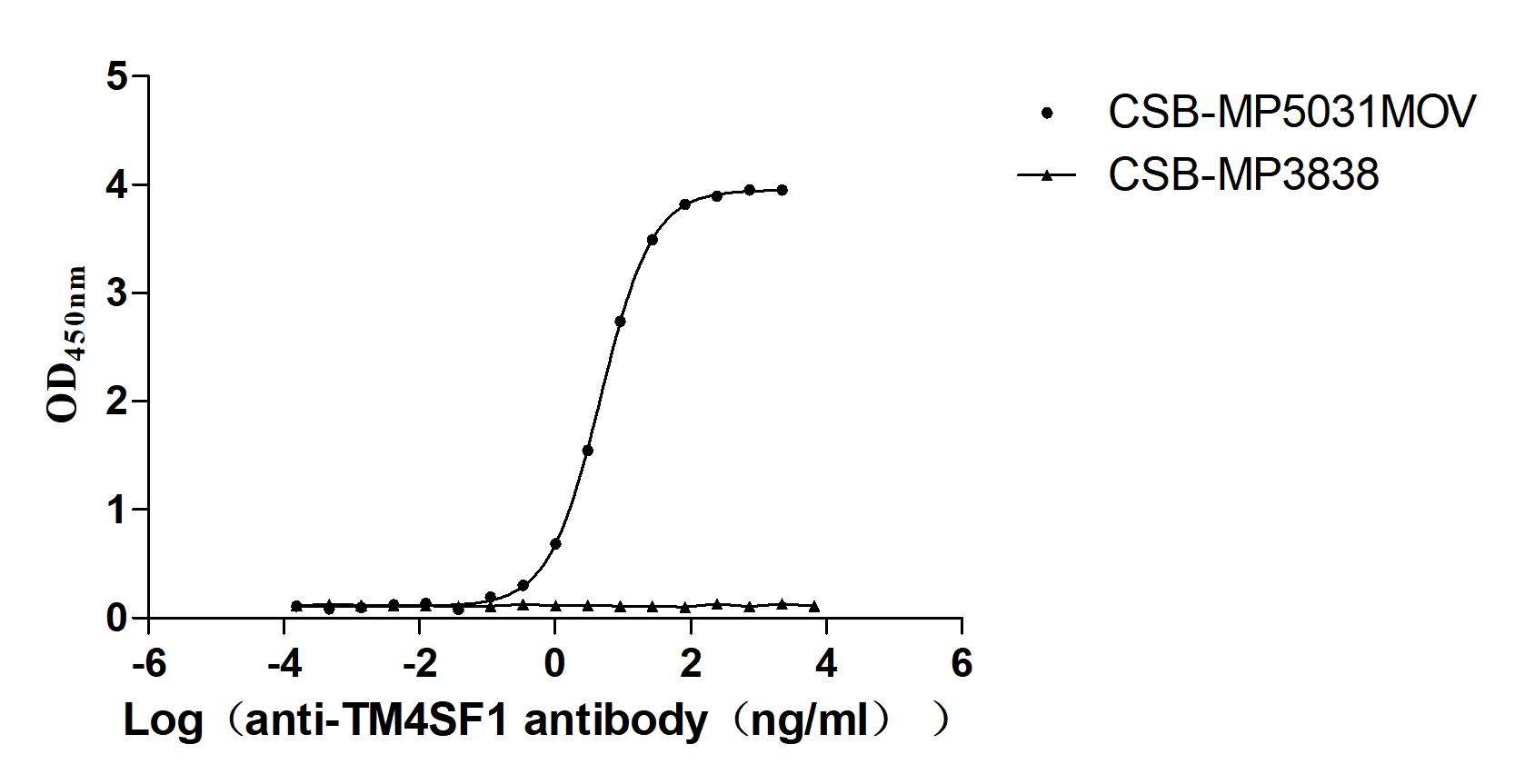
Recombinant Macaca fascicularis Transmembrane 4 L6 family member 1 (TM4SF1)-VLPs (Active)
Express system: Mammalian cell
Species: Macaca fascicularis (Crab-eating macaque) (Cynomolgus monkey)
-