TNFSF14 Antibody
-
中文名稱:TNFSF14兔多克隆抗體
-
貨號:CSB-PA023991GA01HU
-
規(guī)格:¥3,900
-
其他:
產(chǎn)品詳情
-
Uniprot No.:
-
基因名:
-
別名:TNFSF14; HVEML; LIGHT; UNQ391/PRO726; Tumor necrosis factor ligand superfamily member 14; Herpes virus entry mediator ligand; HVEM-L; Herpesvirus entry mediator ligand; CD antigen CD258
-
宿主:Rabbit
-
反應種屬:Human,Mouse,Rat
-
免疫原:Human TNFSF14
-
免疫原種屬:Homo sapiens (Human)
-
抗體亞型:IgG
-
純化方式:Antigen Affinity purified
-
濃度:It differs from different batches. Please contact us to confirm it.
-
保存緩沖液:PBS with 0.1% Sodium Azide, 50% Glycerol, pH 7.3. -20°C, Avoid freeze / thaw cycles.
-
產(chǎn)品提供形式:Liquid
-
應用范圍:ELISA
-
Protocols:
-
儲存條件:Upon receipt, store at -20°C or -80°C. Avoid repeated freeze.
-
貨期:Basically, we can dispatch the products out in 1-3 working days after receiving your orders. Delivery time maybe differs from different purchasing way or location, please kindly consult your local distributors for specific delivery time.
-
用途:For Research Use Only. Not for use in diagnostic or therapeutic procedures.
產(chǎn)品評價

相關產(chǎn)品
靶點詳情
-
功能:Cytokine that binds to TNFRSF3/LTBR. Binding to the decoy receptor TNFRSF6B modulates its effects. Acts as a ligand for TNFRSF14/HVEM. Upon binding to TNFRSF14/HVEM, delivers costimulatory signals to T cells, leading to T cell proliferation and IFNG production.
-
基因功能參考文獻:
- the outcomes of this study provide compelling evidence that TNFSF14 is necessary to limit relevant steps in the pathogenesis of the metabolic syndrome and support the development of agonists of TNFSF14 signaling as attractive therapeutics for treating obesity and type 2 diabetes PMID: 29359470
- LIGHT is highly expressed and companied with severe inflammations in patients with coronary disease. LIGHT significantly enhanced inflammation response in oxLDL-induced THP-1 macrophages. PMID: 28642135
- LIGHT and LTBR interaction increases the survival and proliferation of human bone marrow-derived mesenchymal stem cells, and therefore, LIGHT might play an important role in stem cell therapy. PMID: 27835685
- Serum LIGHT levels correlate with disease progression and severity in interstitial pneumonia patients with dermatomyositis. PMID: 26448572
- LIGHT, via LTbetaR signaling, may contribute to exacerbation of airway neutrophilic inflammation through cytokine and chemokine production by bronchial epithelial cells. PMID: 25501580
- LIGHT controls TSLP to drive pulmonary fibrosis. PMID: 25680454
- The tumor necrosis factor superfamily molecule LIGHT promotes keratinocyte activity and skin fibrosis. PMID: 25789702
- proliferation and migration would be enhanced in Tca8113 cells with over-expressed TNFSF14 PMID: 26146063
- LIGHT, a TNF superfamily member, is involved in T-cell homeostasis and erosive bone disease associated with rheumatoid arthritis. PMID: 25460501
- Crystal structures of LIGHT and the LIGHT:DcR3 complex reveal the structural basis for the DcR3-mediated neutralization of LIGHT. PMID: 25087510
- regulation by NK cell licensing helps to safeguard against TNFSF14 production in response to healthy tissues. PMID: 25512551
- The findings suggest a new molecular determinant of LIGHT-mediated pathogenic changes in human bronchial epithelial cells. PMID: 25251281
- TNFSF14 has an effect on the activation of basophils and eosinophils interacting with bronchial epithelial cells PMID: 24782592
- Triggering of LIGHT induced production of pro-inflammatory mediators such as interleukin-8 and matrix metalloproteinase-9 while suppressing the phagocytic activity. PMID: 24044961
- GG carriers of rs1077667, of the LIGHT gene, with the highest risk for Multiple Sclerosis, had the lowest serum levels. PMID: 23037546
- although a limited number of activated T-cells infiltrate the tumor and initiate an immune response, the number of LIGHT + T cells infiltrating the tumor is very low PMID: 23514280
- findings show that LIGHT is not inhibited by the soluble RANKL receptor OPG and that LIGHT is a potent osteoclastogenesis factor that activates the Akt, NFkappaB and JNK pathways PMID: 23391709
- TNFSF14 was significantly increased in sickle-cell anemia, SCA treated with hydroxycarbamide,& HbSC. It could contribute to endothelial activation & inflammation in SCA. PMID: 22775554
- This study showed that expression of the death-triggering ligand LIGHT is increased in ALS spinal cords PMID: 22221541
- increased plasma levels in patients with atopic dermatitis PMID: 22519595
- INF-gamma can synergistically precede LIGHT-induced apoptotic processes through down-regulation of Bcl-2 expression, but not survivin expression. PMID: 21117871
- These data clearly indicate that ZFP91 is a key regulator in LIGHT-induced activation of non-canonical NF-kappaB pathway in LTbetaR signaling. PMID: 20804734
- Herpes simplex virus 1 gD interfere HVEM function by competing with its natural ligands and by downregulating HVEM. PMID: 20826693
- Increased potential for LIGHT receptor signaling, coupled with increased bioavailability due to lower decoy receptor-3 (DcR3) avidity, provides a mechanism for polymorphic variants in LIGHT to contribute to the pathogenesis of inflammatory diseases. PMID: 20592286
- mediates organ-specific donor T cells activation in GVHD PMID: 19826934
- suppresses tumor growth by augmentation of immune response PMID: 19716382
- There is over expression of genes related to immune and inflammatory responses, including cytokines such as TNFSF14 in interstitial cystitis PMID: 20096889
- When highly expressed, LIGHT is capable of promoting effector T cell proliferation and differentiation even in a regulatory T (Treg) cell-enriched, suppressive intestinal environment. PMID: 20042587
- These findings suggested that LIGHT might be involved in the progression of inflammatory bone destruction in rheumatoid arthritis. PMID: 19019090
- Effects in transgenic mice indicate that human LIGHT may function as a major regulator of T cell activation, and implicate LIGHT signaling pathways in inflammation focused on mucosal tissues. PMID: 11714797
- LIGHT (TNFSF14),5 its membrane-anchored ligand, was also present in atheromatous lesions and highest in regions rich in macrophage-derived foam cells. PMID: 11742858
- Role of calcium-signaling pathway in the transcriptional control PMID: 12215452
- LIGHT may act as an anti-apoptotic agent against TNFalpha-mediated liver injury by blocking the activation of both caspase-3 and caspase-8. PMID: 12393901
- LIGHT, a new member of the TNF superfamily [review] PMID: 12456019
- Data show that mRNA encoding LIGHT and its receptors [HVEM, LTbetaR, and TR6 (DcR3)] are present in placentas and cytotrophoblast cells at term. PMID: 12466117
- Soluble LIGHT blocks TR6-Fc costimulated proliferation, lymphokine production, and cytotoxicity of T cells in the presence of T cell receptor ligation. PMID: 12471113
- LIGHT-sensitized IFN-gamma-mediated apoptosis of MDA-MB-231 cells is probably through down-regulation of anti-apoptosis Bcl-2 family members; it could be caspase (especially caspase-3)-independent, even though extensive caspase activation was observed. PMID: 12767529
- LIGHT signaling is mediated through both death receptor and mitochondria pathways PMID: 15115612
- LIGHT-herpesvirus entry mediator mediated signaling as an important immune regulatory mechanism in mucosal inflammatory responses. PMID: 15210782
- Mechanisms protecting trophoblast cells from LIGHT-mediated apoptosis were studied. PMID: 15215185
- LIGHT expression by human intestinal T cells suggests the possibility that LIGHT may play a key role in regulation of the mucosal immune system. PMID: 15634882
- LIGHT protein can be activated on mucosal T cells through a gut-specific CD2-dependent signaling mechanism. PMID: 15634882
- Data suggest that LIGHT constitutively expressed in human melanoma cells and microvesicles may contribute to regulate T-cell responses to tumor cells. PMID: 15833878
- NF-kappaB signal plays a key role in LIGHT-mediated upregulation of CD86 expression. PMID: 15895390
- both LTbetaR and HVEM can discriminatively mediate the expression of different genes in cultured human umbilical vein endothelial cells, including LIGHT, a proinflammatory cytokine PMID: 15917993
- A transgenic mouse model resembling Crohn's disease (CD) suggests that up-regulation of LIGHT may be an important mediator of CD pathogenesis. PMID: 15944326
- LIGHT could serve as a molecular link between lipid metabolism, inflammation, and thrombus formation, which are all features of atherosclerotic plaques. PMID: 16186421
- platelet-derived LIGHT is biologically active and can induce an inflammatory response in monocytes and particularly within endothelial cells measured as up-regulation of adhesion molecules and release of chemokines PMID: 16861346
- Blockade of TNFSF14 signaling caused a substantial reduction in the expression of lymphotoxin beta receptor (LTbetaR)-controlled migration factors within the islets and disrupts organization of tertiary structures, leading to prevention of diabetes. PMID: 16934497
- LIGHT system may regulate early to middle stages of placental development via cell-specific, temporally programmed expression of the ligand and its receptors, and may also assist in preserving placental immune privilege. PMID: 17010447
顯示更多
收起更多
-
亞細胞定位:[Tumor necrosis factor ligand superfamily member 14, membrane form]: Cell membrane; Single-pass type II membrane protein.; [Tumor necrosis factor ligand superfamily member 14, soluble form]: Secreted.; [Isoform 2]: Cytoplasm.
-
蛋白家族:Tumor necrosis factor family
-
組織特異性:Predominantly expressed in the spleen but also found in the brain. Weakly expressed in peripheral lymphoid tissues and in heart, placenta, liver, lung, appendix, and kidney, and no expression seen in fetal tissues, endocrine glands, or nonhematopoietic tu
-
數(shù)據(jù)庫鏈接:
Most popular with customers
-
-
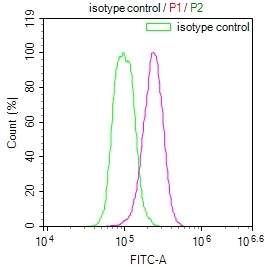
YWHAB Recombinant Monoclonal Antibody
Applications: ELISA, WB, IHC, IF, FC
Species Reactivity: Human, Mouse, Rat
-
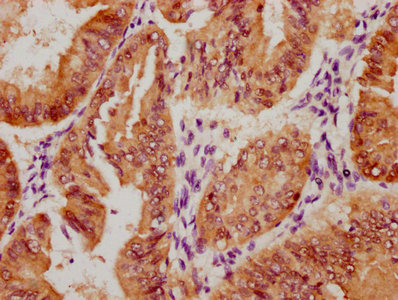
Phospho-YAP1 (S127) Recombinant Monoclonal Antibody
Applications: ELISA, WB, IHC
Species Reactivity: Human
-
-
-
-
-